 |
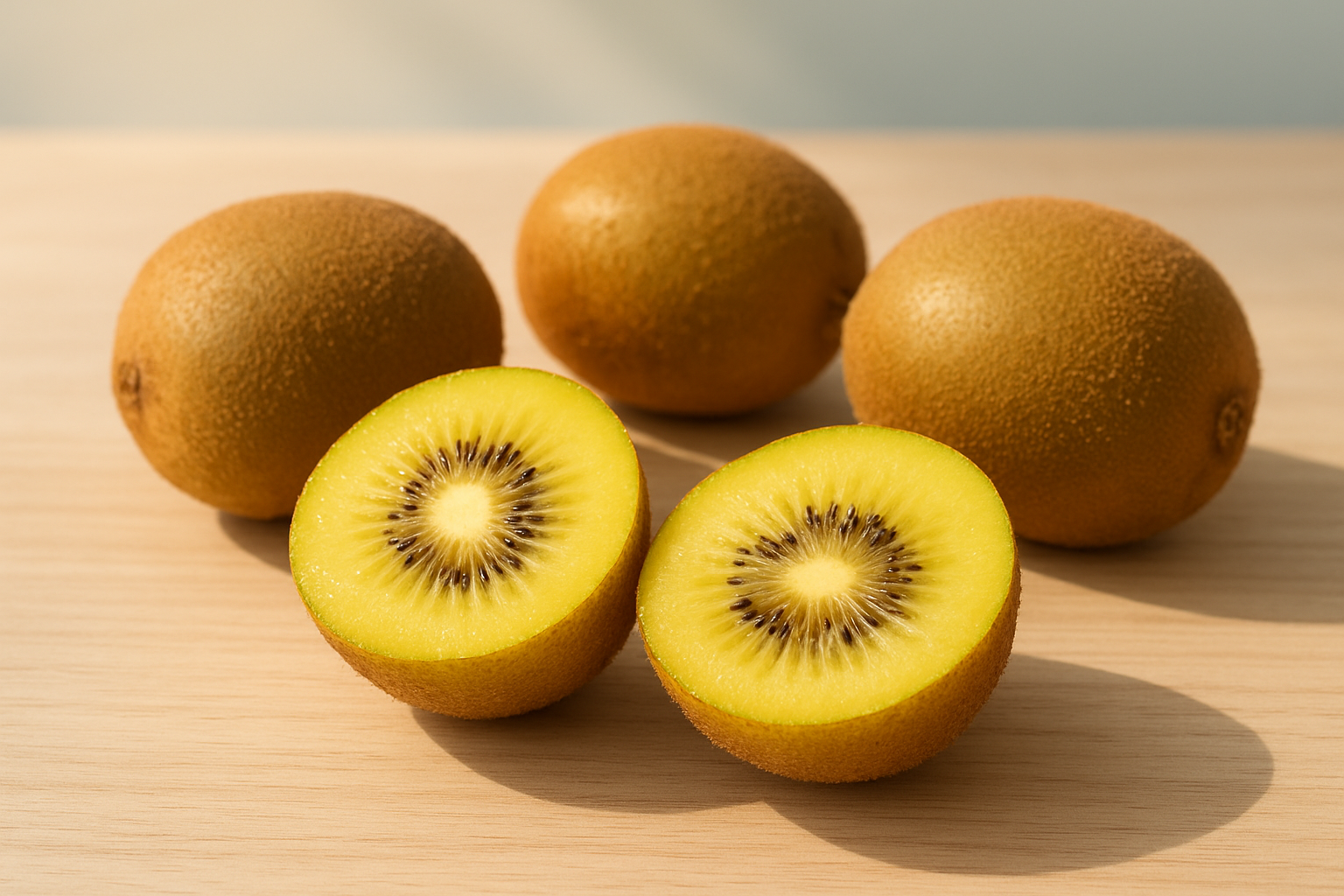
One kiwi provides more vitamin C than two oranges. Vitamin C helps lower uric acid levels by improving kidney function. It dissolves uric acid crystals in joints, potentially preventing gout attacks. While kiwi skin is a good source of fiber and antioxidants, people with kidney stones should avoid eating it due to its high oxalate content. |
 |
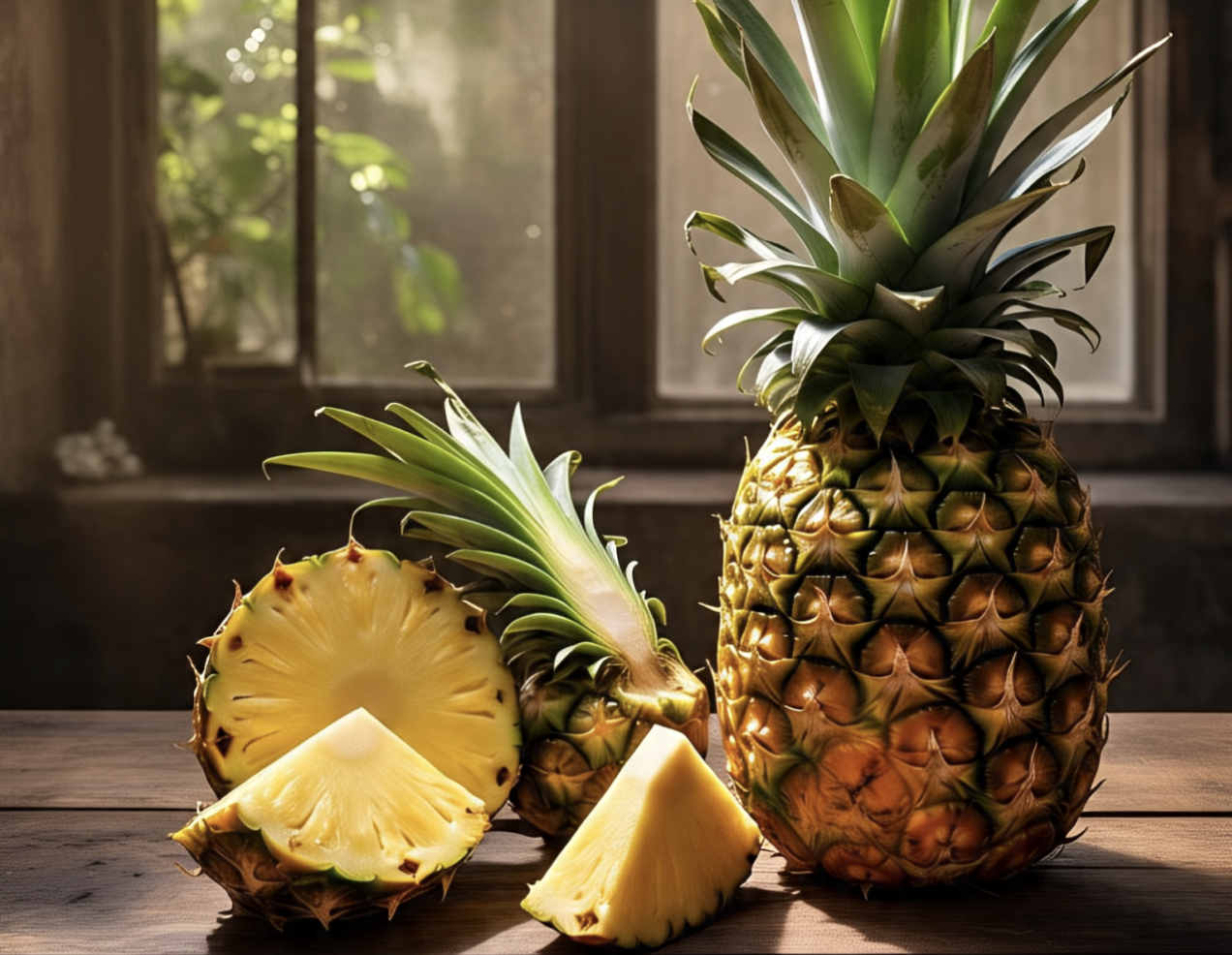
Pineapple is not only rich in vitamin C but also contains bromelain, a natural enzyme with anti-inflammatory properties that can alleviate inflammation and pain associated with conditions like gout. Prioritize eating whole pineapple over store-bought juice to control added sugar intake. |
Lemons are rich in vitamin C. Besides their body-alkalizing effect, they provide hydration and contain natural citrate, which reduces uric acid accumulation in the kidneys. They also help excrete excess uric acid through urine, preventing kidney stones.
Squeeze half a lemon into a glass of warm water to drink first thing in the morning, or sip lemon water throughout the day. To enhance flavor and benefits, you can add a few slices of mint or cucumber.
 |
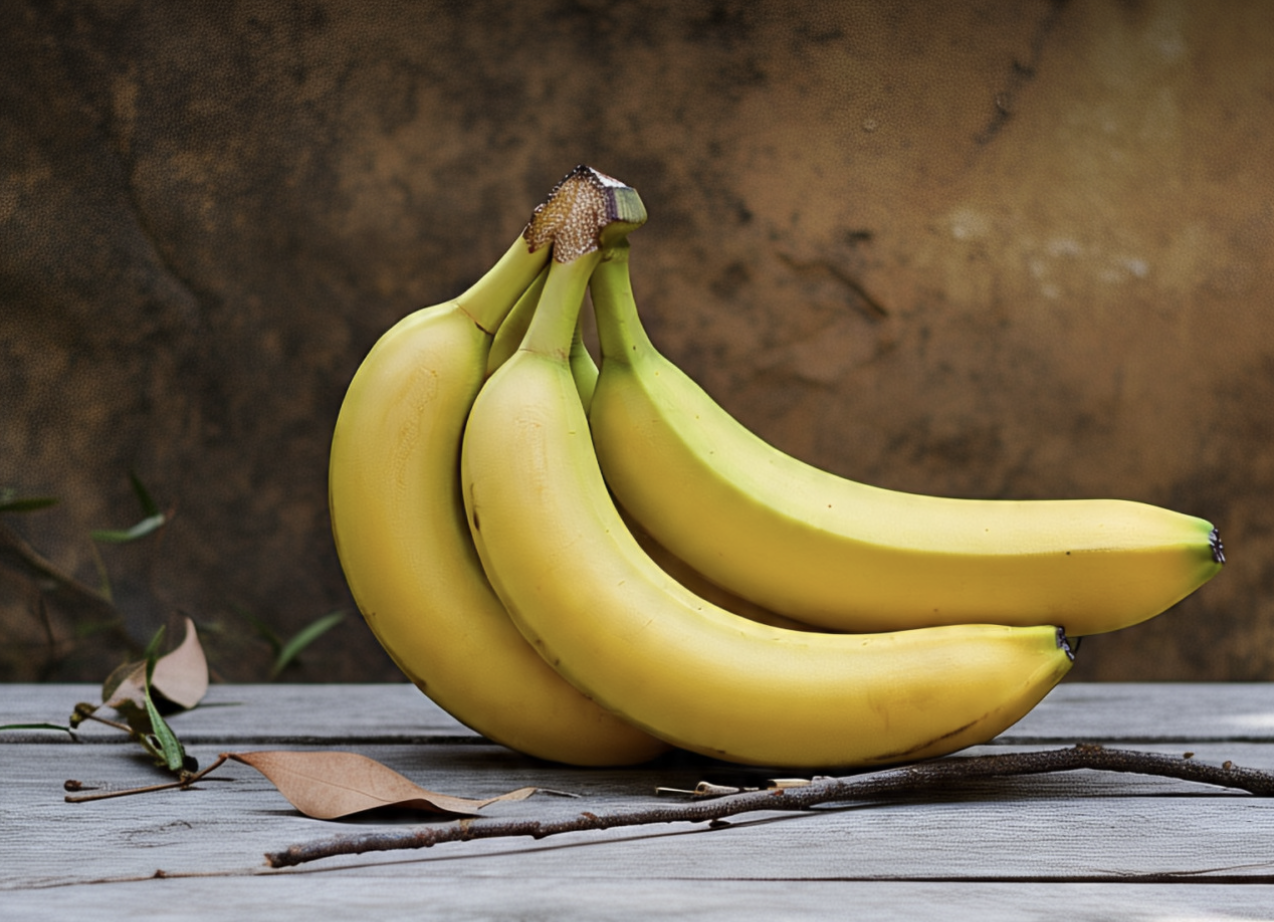
Bananas are among the beneficial fruits for reducing blood uric acid levels. They are also very low in purines, natural compounds that break down into uric acid in the body, making them a good choice for individuals with hyperuricemia (elevated uric acid). |
 |
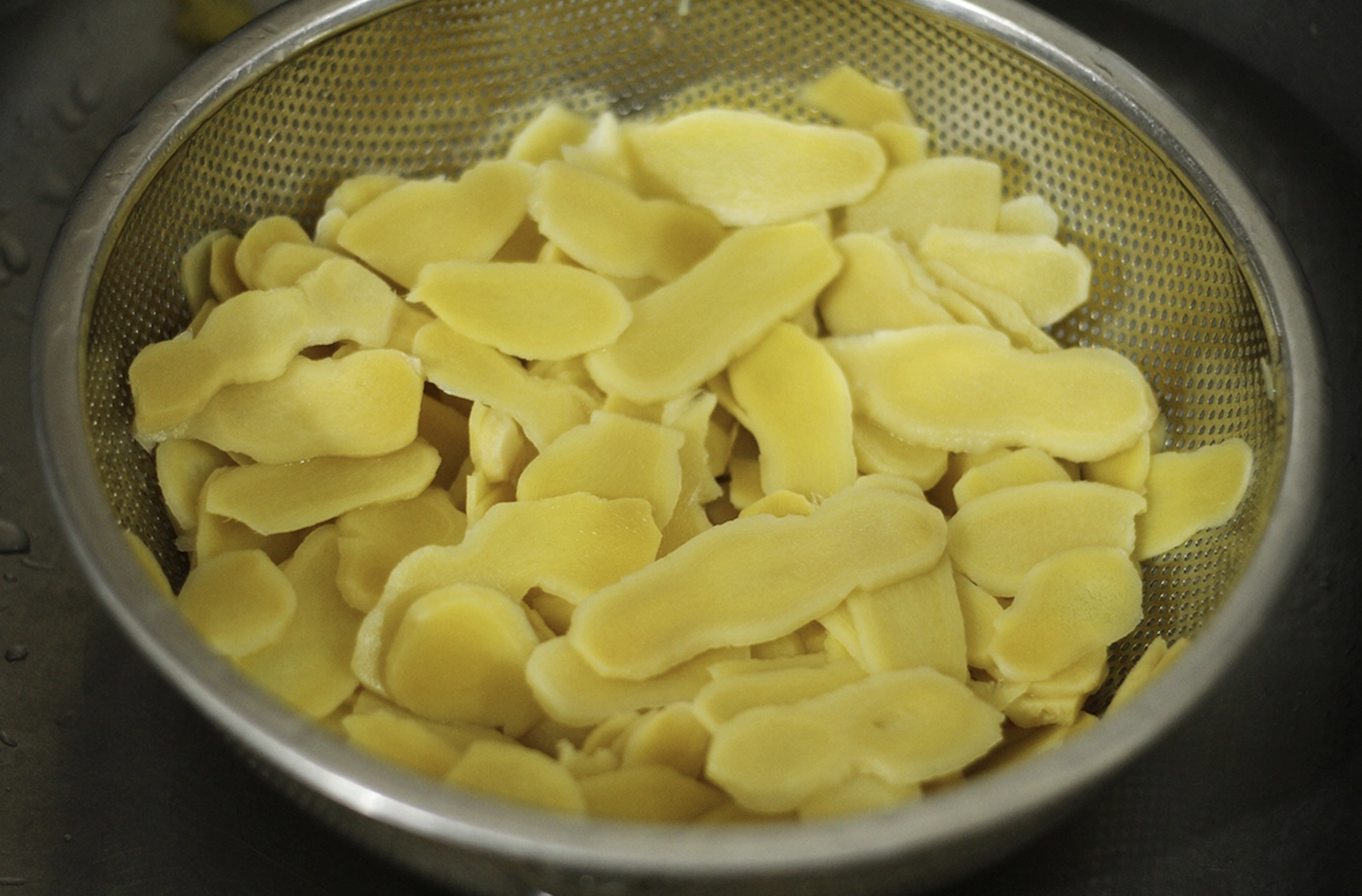
Ginger is beneficial for people with gout as it reduces inflammation in the body and helps manage disease symptoms. Adding fresh ginger to smoothies or morning tea can alleviate pain and decrease the frequency of gout flare-ups. |
 |
Bao Bao (According to Health Shots, Everyday Health, Times of India)
Photos: Bui Thuy, AI