Liver enzymes are crucial enzymes located within liver cells. The most common indicators include ALT, AST, and GGT. When the liver experiences inflammation or damage, these enzymes are released into the bloodstream in elevated amounts, leading to high liver enzyme levels. This condition often progresses without obvious symptoms, making it easy to mistake for common ailments such as fatigue, bloating, or a general feeling of internal discomfort.
According to Master, Doctor Doan Vinh Binh from the Medical Information Center at Tam Anh General Hospital TP HCM, timely identification of the causes of elevated liver enzymes is crucial for effective management.
Hepatitis viruses are a primary cause of elevated liver enzymes. When hepatitis A, B, C, D, or E viruses enter the body, they trigger an inflammatory response that damages liver cells. This can lead to chronic hepatitis, cirrhosis, and liver failure. Data from the Ministry of Health indicates that Vietnam continues to be among nations with a high prevalence of viral hepatitis, with an estimated 6,6 million people having chronic hepatitis B and nearly one million infected with chronic hepatitis C.
Fatty liver develops when excess fat accumulates within liver cells. It primarily presents in two forms: alcoholic fatty liver and non-alcoholic fatty liver. Symptoms often include jaundice, pain in the upper right abdomen, fatigue, bloating, indigestion, and other digestive issues. In certain instances, individuals with fatty liver may exhibit unusually high liver enzyme levels.
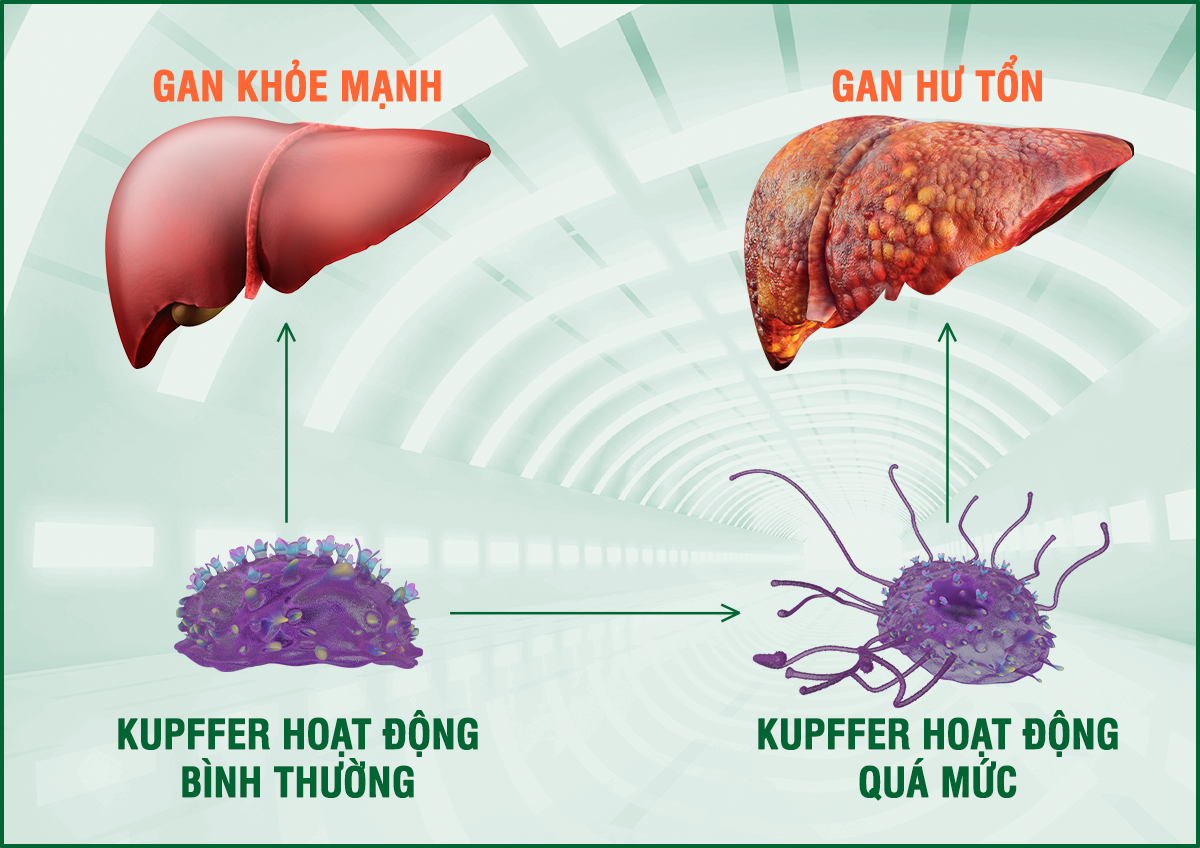 |
Contaminated food, alcohol, medications... can overactivate Kupffer cells and damage liver cells. Photo: Eco Pharmaceutical Joint Stock Company
Excessive alcohol consumption places a significant burden on the liver, as 90% of ingested alcohol is metabolized there. Overindulgence forces the liver into continuous detoxification. This process generates acetaldehyde, a toxic intermediate, which activates Kupffer cells to produce inflammatory substances. These substances damage liver cells, leading to elevated liver enzymes. If this condition persists, it can advance to acute hepatitis, alcoholic fatty liver disease, and cirrhosis.
Metabolic diseases, including diabetes, dyslipidemia (abnormal blood fat levels), and hypertension, are linked to metabolic dysfunction-associated steatotic liver disease (MASLD). These conditions can cause liver cell damage and contribute to elevated liver enzymes.
Unsafe food, including spoiled, contaminated, or moldy items, often contains toxins. This forces the liver to work harder to metabolize and eliminate these harmful substances. Toxins can cause acute damage or gradually accumulate, leading to liver cell injury, impaired liver function, and elevated liver enzymes.
Medication side effects are another factor. The liver metabolizes the majority of drugs consumed. Improper medication use, such as self-medicating, prolonged use without a prescription, or using unverified drugs, places an undue burden on the liver. This can lead to increased liver enzymes and, potentially, liver failure.
Doctor Binh emphasizes that elevated liver enzymes often present without noticeable symptoms in their early stages. Many individuals only discover the condition during routine health check-ups or after significant liver damage has occurred. Therefore, regular health screenings and liver function tests are recommended. Additionally, adopting a healthy lifestyle, moderating alcohol intake, maintaining a balanced diet, and managing underlying health conditions are vital for liver protection. Natural extracts like wasabia and s. marianum may also help regulate Kupffer cells, reduce inflammation, and improve elevated liver enzymes.
Dinh Dieu
| Readers can ask questions about digestive diseases here for doctors to answer. |