 |
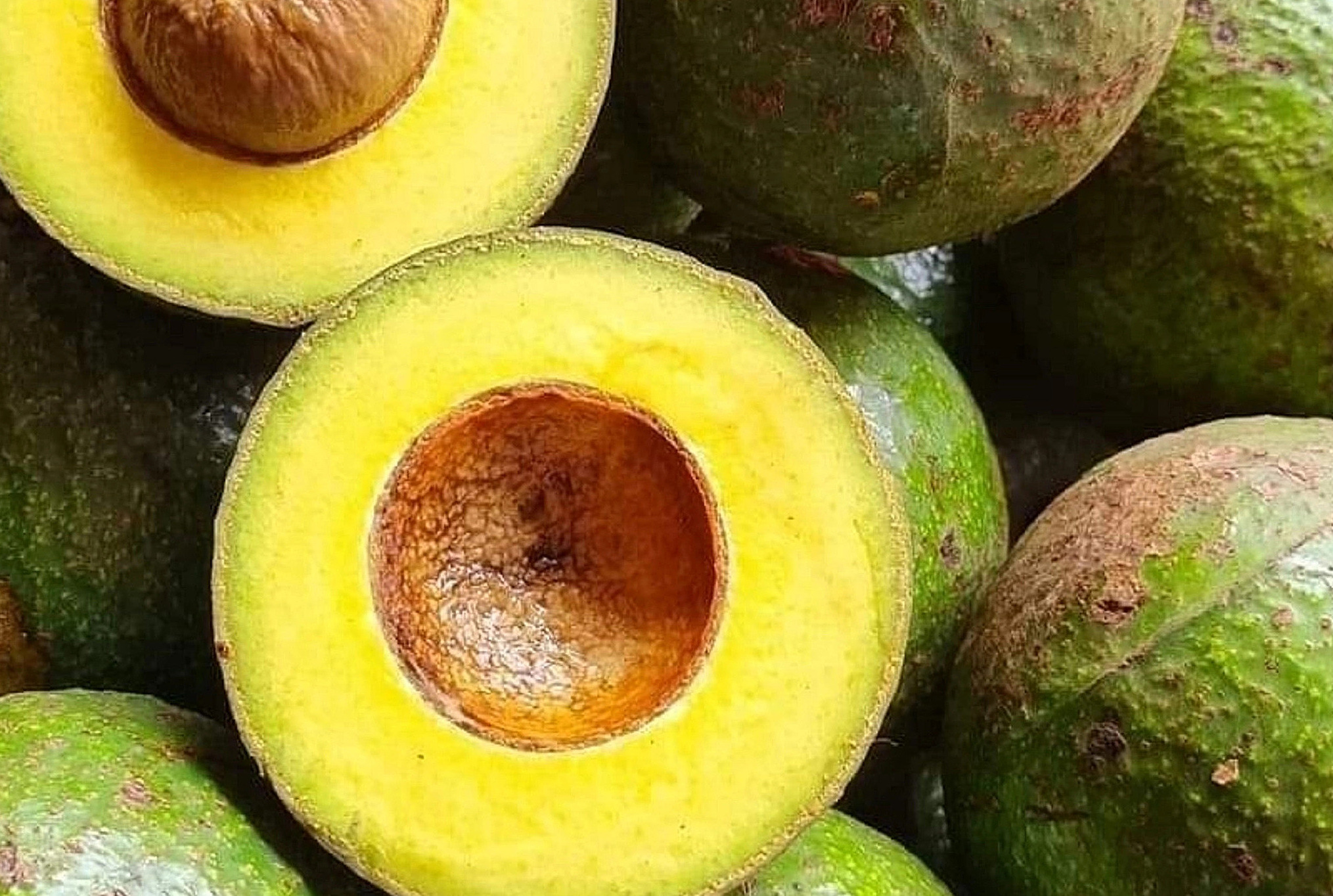
Avocado
Avocado is rich in healthy fats, supporting cardiovascular and liver health. This fruit contains beneficial compounds and healthy fatty acids that can slow liver damage and reduce inflammation.
Many people incorporate avocado into their breakfast and dinner to increase satiety, limit calorie intake, and thus better manage weight. You can consume 100 g of avocado two to three times per week as part of a balanced diet to enhance your health.
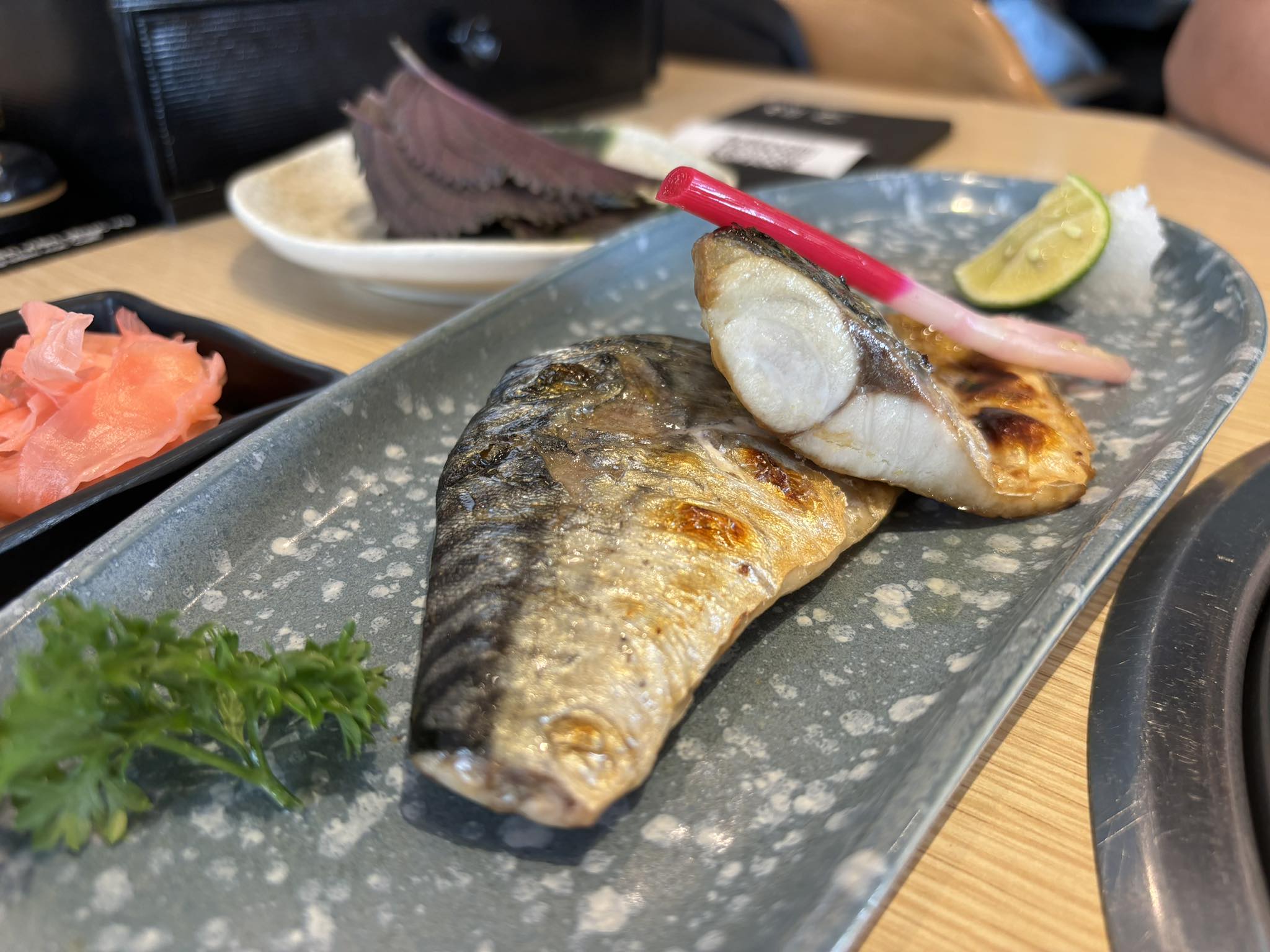 |
Fish
All types of fish contain abundant protein, contributing to reduced consumption of fat and skin from red meat or poultry, thereby preventing fatty liver disease. Fatty fish such as salmon, sardines, and tuna are rich in omega-3 fatty acids, which decrease liver fat, reduce inflammation, and improve fatty liver conditions.
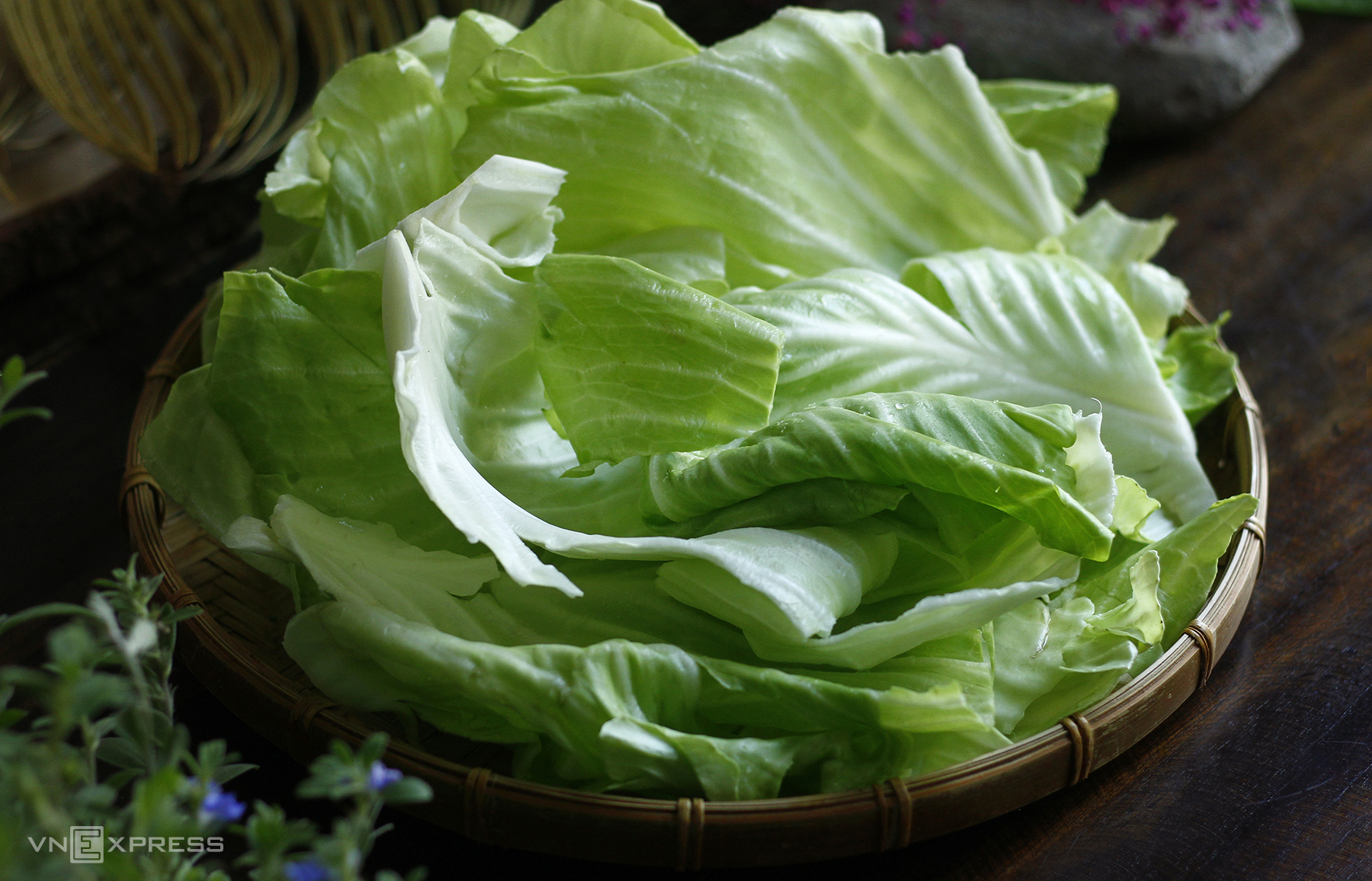 |
Green Vegetables
Spinach, Brussels sprouts, and many other leafy greens are rich in natural nitrates and polyphenols, which help limit fat accumulation in the liver. Their abundant fiber content increases satiety, supports weight management, and reduces the risk of visceral fat buildup. The fiber in green vegetables also improves blood cholesterol levels, benefiting cardiovascular health.
 |
Soybeans
Tofu and other soybean products can help prevent non-alcoholic fatty liver disease (NAFLD) because they contain triglycerides that reduce visceral fat accumulation. They are nutrient-rich and contain resistant starch, which can improve gut health. Consuming two to three soybean meals per week supports reduced blood sugar and triglyceride levels in obese individuals.
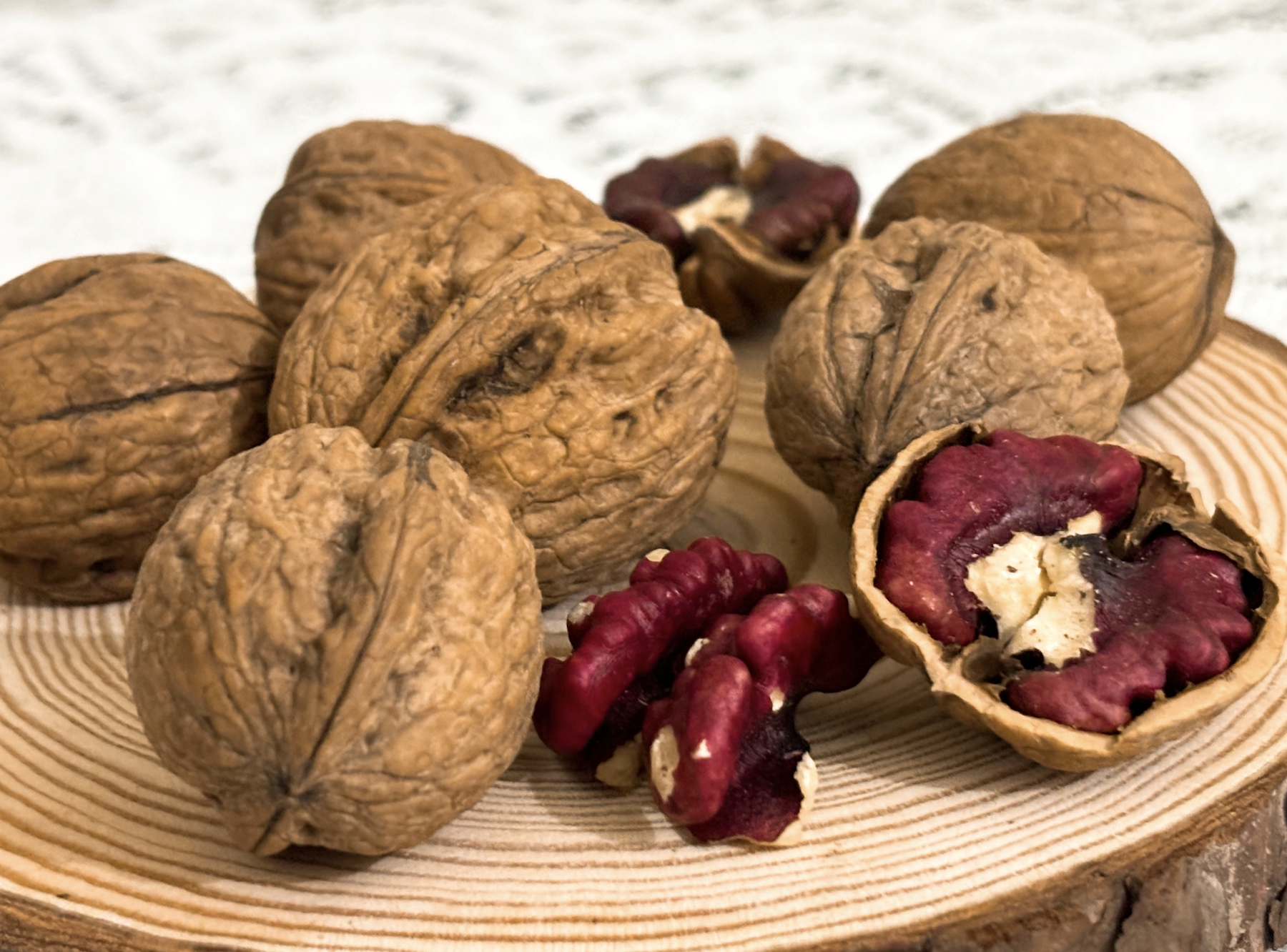 |
Walnuts
Individuals with fatty liver disease should keep walnuts in their bag or at their desk to snack on three to four nuts whenever hungry or as a light snack. These nuts are rich in omega-3 fatty acids, which have anti-inflammatory effects. You can add them to stir-fries for extra crunch or sprinkle them over salads. Avoid consuming more than one handful of walnuts daily to prevent excess calorie intake.
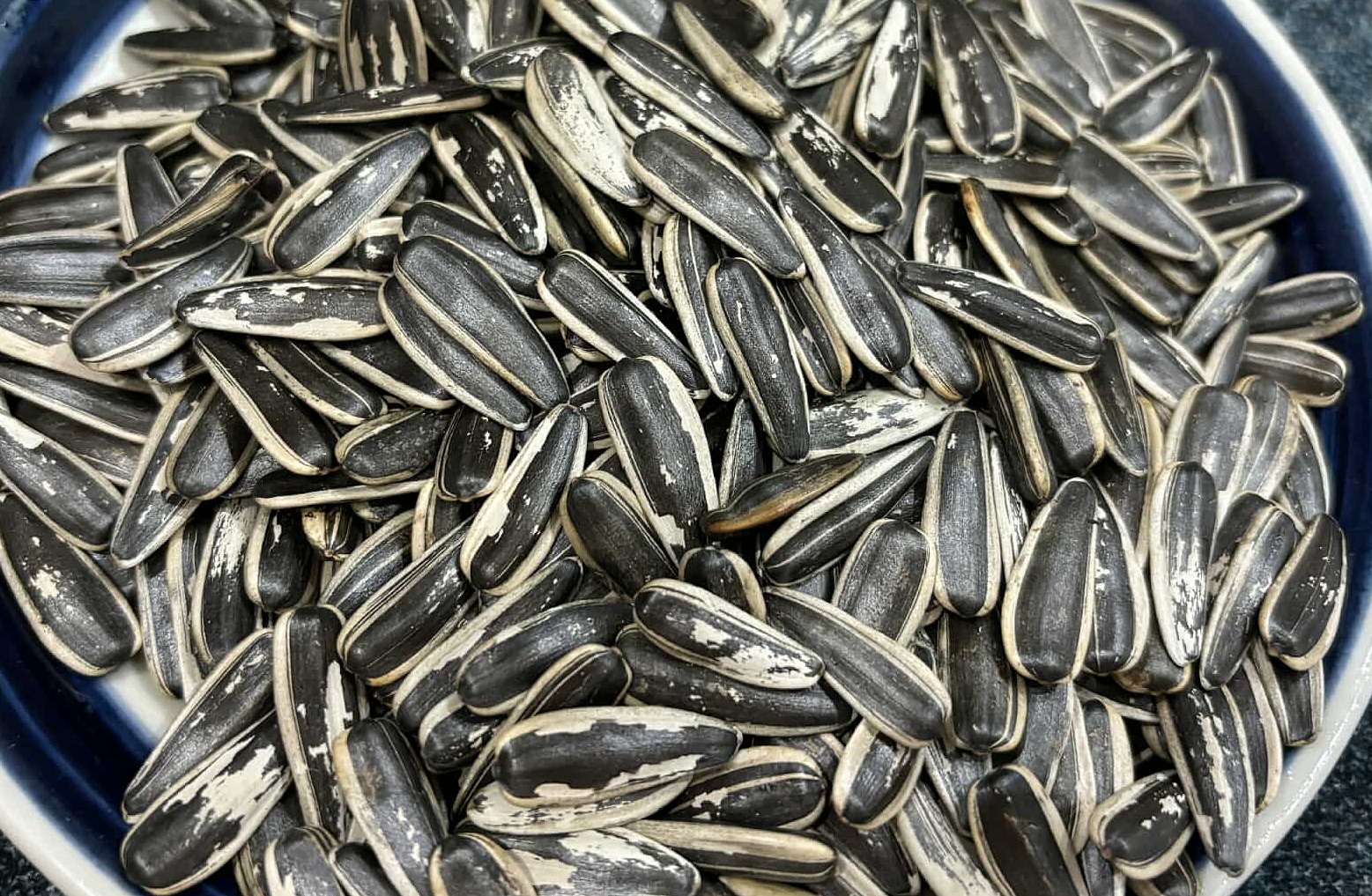 |
Sunflower Seeds
Vitamin E in sunflower seeds is a powerful antioxidant that can protect the liver from damage. Eating these seeds directly or sprinkling them on salads as a daily snack adds a delicious crunch and richness. You can eat sunflower seeds every day, but do not consume more than one handful.
Anh Chi (According to Healthline, WebMD, Healthshots)
Photos: Bao Bao, Anh Chi, Bui Thuy
Readers can submit questions about digestive diseases here for doctors to answer.