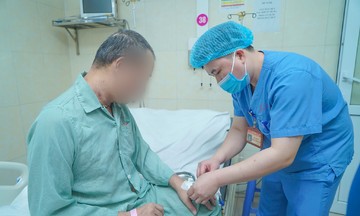
A 13-year-old girl gaining 3 kg after the Tet holiday, accompanied by irregular periods, is a common situation for children in puberty. The main reason for this is sudden lifestyle changes during the Tet break.
Tet is a time when children often consume many sweets, soft drinks, and foods high in starch and fat. Simultaneously, physical activity decreases, and sleep patterns shift to later hours. When energy intake exceeds the body's needs, the excess is stored as fat, particularly visceral fat. A weight gain of 2-3 kg can encompass increased fat, water retention, and energy storage.
High sugar intake in children leads to increased insulin secretion, which aims to stabilize blood sugar. In some children, especially those with existing risk factors such as being overweight or having a family history of diabetes, temporary insulin insensitivity may occur. This condition can affect ovarian function, potentially causing delayed or prolonged menstrual cycles.
Additionally, lack of sleep and disrupted schedules can disturb hormones that regulate metabolism and reproduction. At 13, the reproductive endocrine axis is still maturing, meaning menstrual cycles are not yet fully stable. For now, parents should adjust their child's routine by limiting sweets and sugary drinks, increasing green vegetables and lean protein, maintaining at least 60 minutes of daily physical activity, and ensuring 8-9 hours of sleep. In most cases, weight and menstrual cycles can stabilize after 1-3 months.
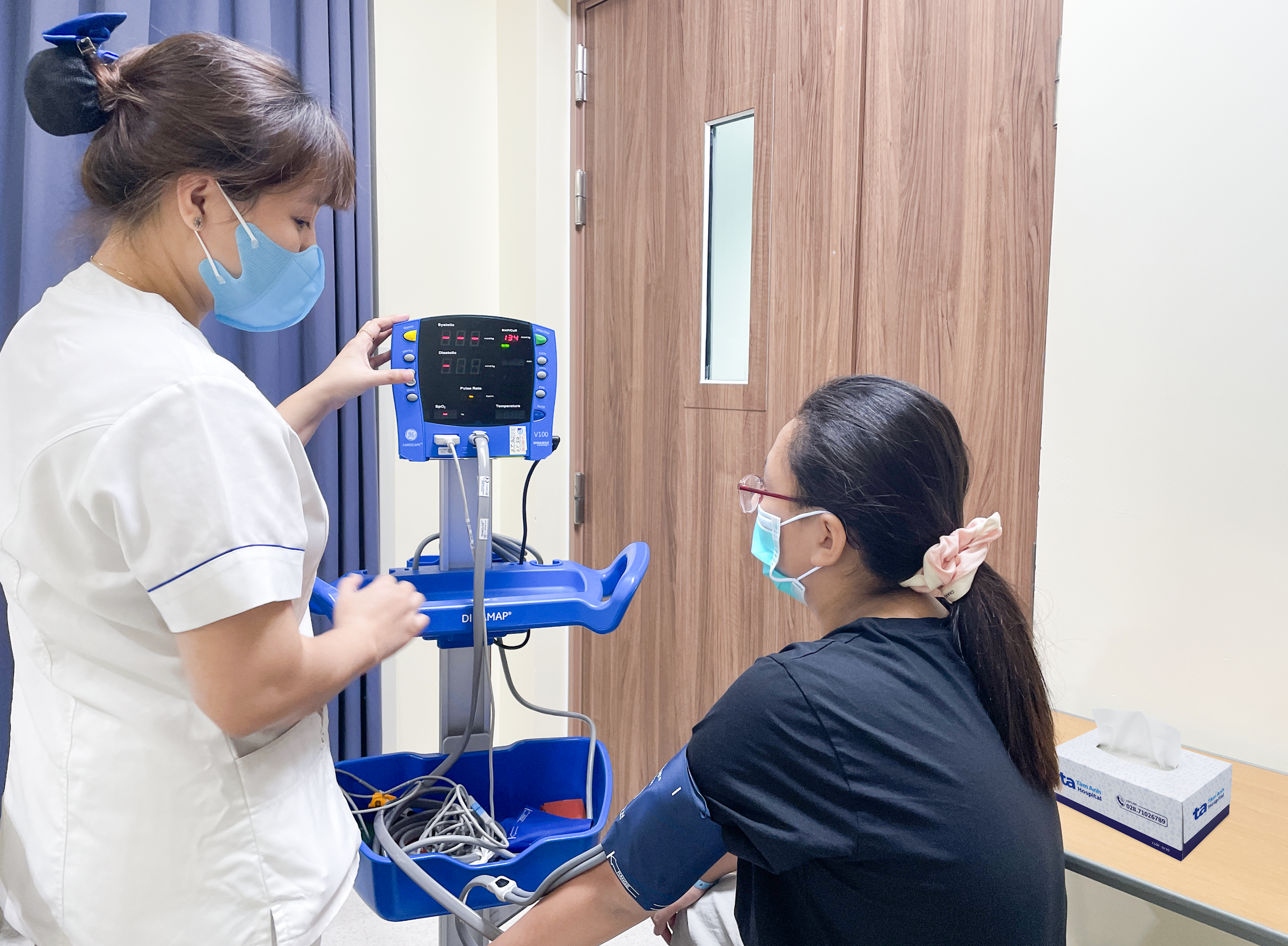 |
A medical professional checks the blood pressure of a 13-year-old girl in TP HCM. Photo: *Tam Anh General Hospital* |
If, after 6-8 weeks of lifestyle adjustments, the child still gains weight or misses periods for over 2-3 months, it is advisable to take her to a pediatrician or an endocrinologist. They can provide an assessment and screen for metabolic disorders or polycystic ovary syndrome if suspected.
M.D. Le Thi Hong Hue
Pediatrics Unit, Tam Anh General Clinic District 7
| Readers can submit questions about infant and child health here for doctors to answer. |