Sudden cardiac arrest occurs when the heart unexpectedly stops functioning, leading to loss of consciousness and insufficient blood supply to the brain. Without prompt intervention through cardiopulmonary resuscitation or defibrillation, individuals can die within minutes. Here are ways to help prevent cardiac arrest.
Stabilize blood pressure
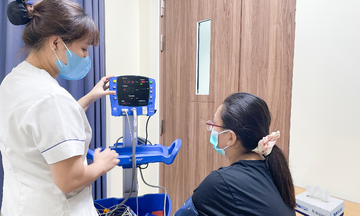
High blood pressure is a chronic condition characterized by persistently elevated pressure on artery walls. It stands as a primary risk factor for severe cardiovascular complications such as heart attack, heart failure, and stroke, potentially leading to sudden cardiac arrest. This condition thickens the heart muscle, damages coronary arteries, forms blood clots, and impairs heart function. Individuals should monitor their blood pressure regularly for early detection and control, reducing the risk of cardiovascular events.
Manage diabetes
Cardiovascular disease and diabetes often coexist. Controlling blood sugar levels through lifestyle adjustments and a balanced diet helps protect the heart.
Control cholesterol
High cholesterol is a leading cause of atherosclerosis, which narrows and obstructs blood vessels supplying the heart, resulting in heart attack and sudden cardiac arrest. This condition is preventable through a healthy diet, regular exercise, and medication as prescribed by a doctor.
Exercise moderately
Regular exercise helps maintain a healthy physique and keeps the heart strong. Individuals should aim for 30 minutes of exercise each day, incorporating high-intensity workouts to improve overall health. It is important to warm up thoroughly, gradually increase intensity, exercise consistently, and listen to the body to improve blood pressure, cholesterol, and cardiorespiratory endurance.
Eat healthy
The energy supplied to the body is vital. Prioritize whole, nutrient-rich foods over processed foods and those high in unhealthy fats. A scientific approach to eating nourishes the heart.
Maintain a healthy weight
Excess weight puts strain on the heart, increasing the risk of cardiovascular problems and cardiac arrest due to visceral fat accumulation, chronic inflammation, accelerated atherosclerosis, and left ventricular hypertrophy. Maintain a balanced physique through a balanced diet and exercise suitable for your physical condition.
Avoid stress
Prolonged stress negatively impacts cardiovascular health. Methods for mental relaxation include meditation, yoga, or engaging in personal hobbies. Avoiding tobacco smoke and alcohol also contributes to better heart health.
Le Nguyen (According to Times of India)
| Readers can submit cardiovascular questions here for doctors to answer |