According to nutrition specialist Nguyen Trung Hieu from the Department of Nutrition, Tam Anh General Hospital Hanoi, reduced humidity in winter weakens the skin's protective barrier, leading to dryness and flaking. Incorporating foods rich in vitamin A, C, E, omega-3, zinc, and antioxidants helps regenerate the protective lipid layer, maintaining natural moisture. A diet with sufficient water, green vegetables, fruits, and healthy fats also reduces oxidative stress, limits premature aging, and preserves collagen-elastin structures.
Below are the types of foods recommended for winter to prevent dry skin.
Green vegetables
Green vegetables are rich in vitamin A, C, K, minerals, and antioxidants. These nutrients protect skin cells from free radicals, support collagen synthesis, regenerate skin tissue, maintain moisture, and reduce inflammation. They also enhance blood circulation, promoting a healthy, rosy complexion.
Doctor Hieu advises prioritizing seasonal vegetables for optimal nutrition and reduced pesticide exposure. Winter vegetables such as mustard greens, spinach, broccoli, carrots, pumpkin, and tomatoes are rich in beta-carotene, vitamin C, and polyphenols, which boost collagen production. High-water content vegetables also aid hydration and improve skin elasticity. It is best to eat fresh, colorful vegetables and avoid overcooking to preserve their vitamins and antioxidants.
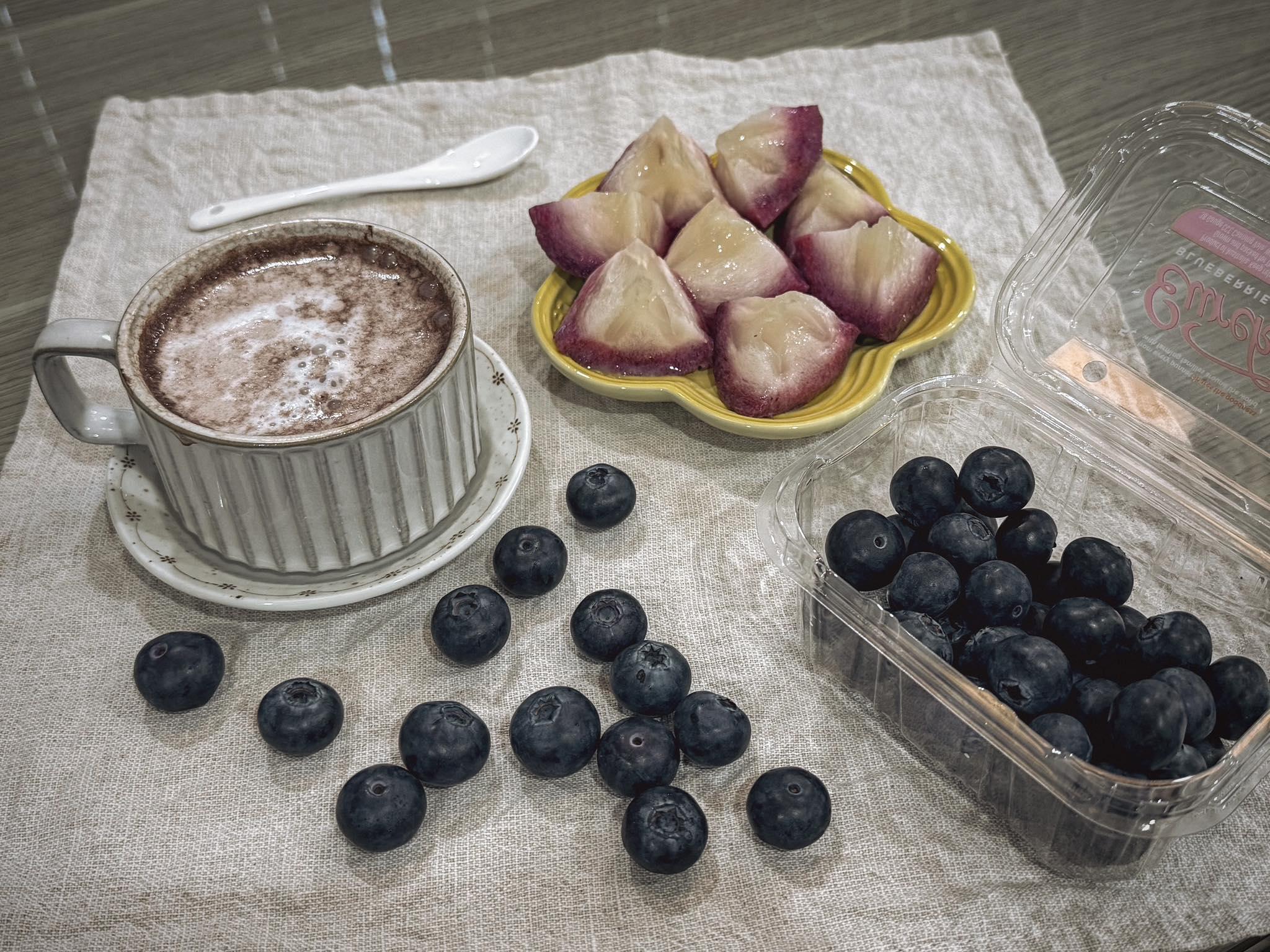 |
Eating whole fresh fruit is beneficial for the skin. Photo: Lam Anh |
Fruits
Consuming a variety of fruits rich in vitamin C, A, E, and antioxidants daily provides sufficient micronutrients, improving skin health. Oranges, tangerines, grapefruits, kiwis, and strawberries, abundant in vitamin C, support collagen synthesis, increase elasticity, and even out skin tone. Papaya and mango, rich in beta-carotene and vitamin A, help regenerate epidermal cells, keeping skin smooth. Pomegranates contain polyphenols and healthy fats that nourish the skin's protective barrier and reduce inflammation. Apples and pears, high in fiber and water, help maintain moisture and give skin a radiant glow.
It is best to prioritize eating whole fresh fruit and limit juices to retain fiber and avoid rapid sugar absorption. Consuming fruit mid-morning or late afternoon allows for effective nutrient absorption. Combining various fruit groups rich in vitamins and polyphenols supports collagen production and improves blood circulation. Individuals should aim for about two servings daily (each serving approximately 80 g) to get sufficient micronutrients without excessive sugar intake.
Nuts and seeds
Cold, dry weather causes the body to lose water easily, leading to dry, dull skin as the protective barrier weakens. Supplementing with nutrient-rich nuts and seeds is a natural way to nourish skin from within. Almonds, walnuts, cashews, macadamia nuts, chia seeds, and flax seeds are rich in unsaturated fatty acids (omega-3, omega-6), vitamin E, and polyphenols. These help regenerate the skin's lipid layer, reducing transepidermal water loss. Vitamin E, a potent antioxidant, protects skin cells, evens skin tone, and slows aging. Doctor Hieu recommends consuming about 20-30 g of nuts and seeds daily to supplement nutrients and maintain bright, smooth skin.
Hang Tran
| Readers can submit nutrition questions here for a doctor's response. |