Vision often changes with age, especially after 50. However, some seemingly harmless symptoms may indicate cataracts, macular degeneration, glaucoma, or retinal detachment. Early recognition of these signs increases the chance for effective treatment and vision preservation.
Persistent blurry vision is a significant concern. While gradual vision loss is common with aging, including presbyopia which makes reading or seeing close objects difficult, persistent blurriness can also signal cataracts, age-related macular degeneration, or diabetic retinopathy. If blurry vision does not improve with new glasses or interferes with daily activities, an eye exam is advisable.
Increased sensitivity to light and difficulty seeing while driving at night are common complaints among those over 50. These symptoms, such as glare from headlights, can be an early indication of cataracts, where the eye's lens becomes cloudy and scatters light. Besides glare, individuals might experience blurred images, double vision in one eye, or require more light for reading.
 |
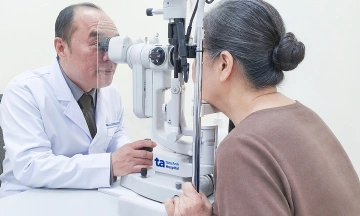
Aging eyes can make reading difficult, especially at close distances. Photo: Created by AI |
Dry, burning, or gritty eyes are also frequently reported. The age-related decrease in tear production makes dry eye syndrome more prevalent, particularly in post-menopausal women. Dry eyes can cause a burning sensation, stinging, a feeling of foreign objects, or watery eyes due to irritation. Prolonged symptoms can affect vision quality and increase the risk of corneal surface damage. Using artificial tears as directed by a doctor, maintaining environmental humidity, and resting eyes during screen time can help alleviate this condition.
An increase or sudden appearance of floaters warrants attention. Floaters are small spots, threads, or cobweb-like shapes that drift across vision, usually a benign phenomenon due to vitreous aging. However, a sudden increase in floaters, especially when accompanied by flashes of light or vision loss, requires immediate medical examination as it could indicate a retinal tear or detachment.
Experiencing flashes of light in your vision should not be dismissed. These light flashes, often appearing at the periphery of vision, are not always harmless. This symptom can occur when the vitreous gel pulls on the retina. If accompanied by a sudden increase in new floaters or a sensation of a curtain over the eye, it may signal a retinal detachment and requires emergency care.
Narrowing of peripheral vision is a critical sign, especially for glaucoma. Individuals with glaucoma often experience no symptoms in the early stages. By the time peripheral vision narrows, the disease may have progressed, causing optic nerve damage. Glaucoma is a common cause of irreversible blindness, but it can be managed if detected early through regular eye exams and treated with medication, laser, or surgery when necessary.
Experts recommend that individuals over 50 undergo regular eye examinations, even in the absence of symptoms. Routine eye check-ups can help detect glaucoma, cataracts, macular degeneration, and diabetic retinopathy early, before these conditions severely impact vision.
Bao Bao (Compiled)
| Readers can submit ophthalmology questions here for a doctor's response. |