The secret to longevity lies not only in what we eat, but also in what we actively choose to omit. Experts researching "Blue Zones" have identified a list of foods centenarians avoid to maintain robust health.
Centenarians, individuals living to 100 years or older, are key subjects in understanding factors that lead to healthy aging. Expert Dan Buettner, a pioneer in Blue Zones research (such as Okinawa, Japan; Sardinia, Italy; and Singapore), states: "Avoiding these foods helps them minimize chronic diseases often arising from modern diets."
Below are six food groups rarely found in the kitchens of centenarians:
Refined grains
While Americans consume large quantities of white bread, pasta, and processed breakfast cereals, centenarians prioritize whole grains.
Refined grains have had their bran and germ removed, stripping away most fiber, B vitamins, vitamin E, and essential minerals. Consuming these "white" starches offers poor nutrition and can strain blood sugar levels and the immune system.
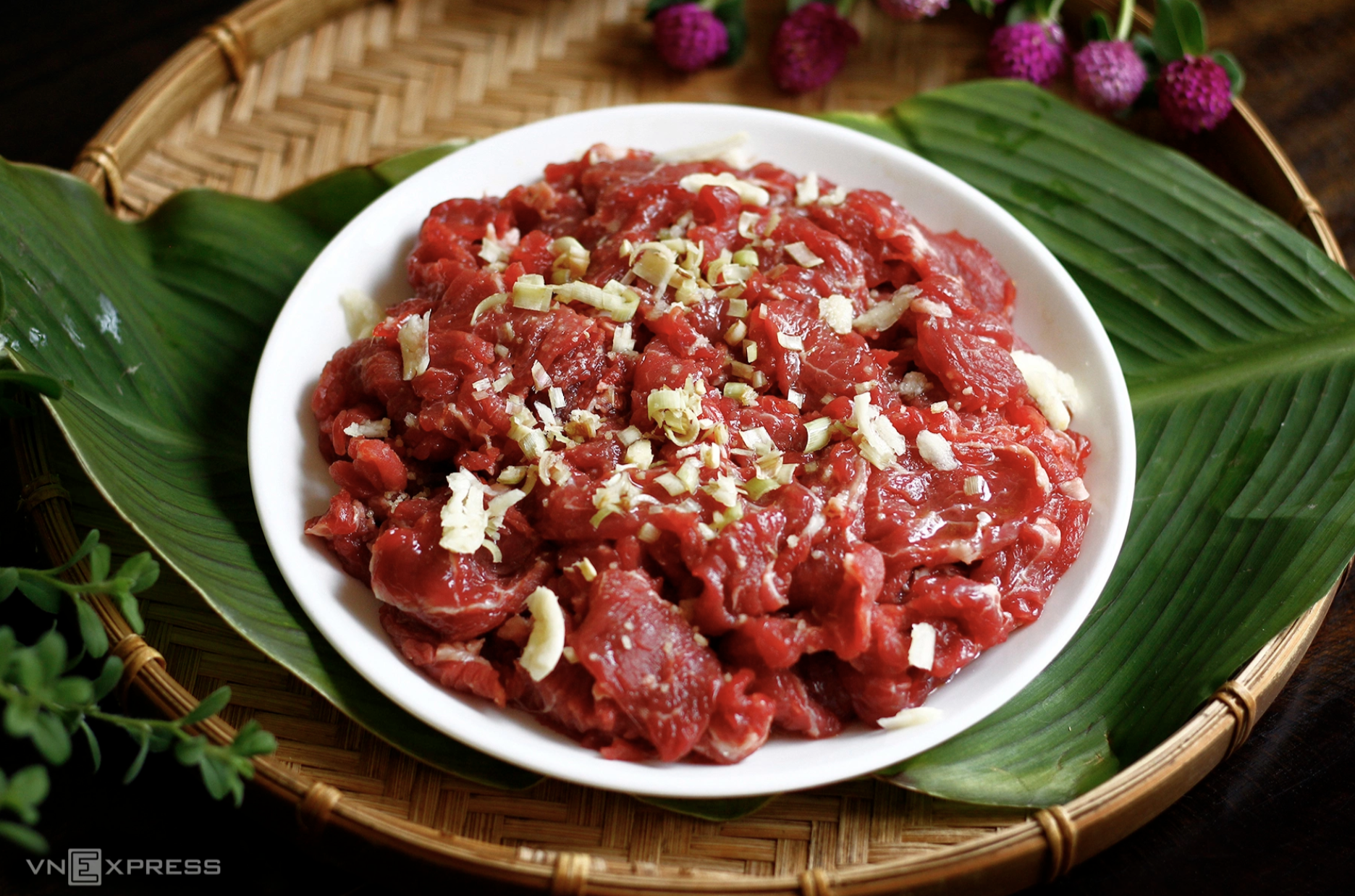 |
Centenarians typically consume red meat only on special occasions or in very limited quantities. Photo: Bui Thuy |
Red meat
Red meat (beef, pork, lamb) rarely appears on Blue Zone menus. Instead, those living near the sea prioritize fish, a more affordable and healthier protein source.
Studies show high red meat consumption increases the risk of colorectal cancer and cardiovascular disease. Centenarians typically consume red meat only on special occasions or in very limited quantities.
Packaged foods
You would be hard-pressed to find a pantry full of snack bags or processed foods in a centenarian's home. These products contain preservatives, artificial flavors, and extremely high sugar content.
A 2022 study linked ultra-processed foods directly to cognitive decline and dementia in older adults.
Cow's milk
While milk provides calcium and protein, centenarians in Blue Zones consume very little animal milk. Instead, they often use plant-based alternatives or small amounts of goat or sheep milk.
Cow's milk often contains high levels of saturated fat and cholesterol. Limiting animal milk is believed to be a factor in maintaining their healthy cardiovascular systems.
Sugary drinks and sweets
For centenarians, sweets are reserved for holidays or special occasions. They largely avoid sodas, energy drinks, and packaged fruit juices.
Added sugar is a primary inflammatory agent, leading to chronic diseases like type 2 diabetes, obesity, liver disease, and memory decline. Instead, they choose natural sweetness from fresh fruit.
Processed meats (sausages, bacon)
This food group is the most strongly "boycotted" in longevity diets. Sausages, cold cuts, and hotdogs are not only rich in saturated fat but also contain nitrates, compounds linked to disease.
Since 2015, the World Health Organization (WHO) has classified processed meats as a Group 1 carcinogen. Eliminating this group helps centenarians protect themselves from cancer and cardiometabolic diseases.
Beyond food choices, centenarians also follow the 80/20 rule: they stop eating when their stomachs are about 80% full, reserving the remaining 20% for moderate indulgence. Combined with daily natural movement, strong community connections, and a sense of purpose, they have created a formula for a vibrant and long life.
My Y (According to Real Simple)