For young women who have not given birth, like yourself, doctors typically recommend temporary contraception. This approach allows women to actively prevent pregnancy for a specific period, with fertility returning once they stop using the method. Conversely, permanent contraception, such as male or female sterilization, makes natural pregnancy impossible.
Contraceptive methods are broadly categorized into two main groups: temporary and permanent. While traditional temporary methods, such as withdrawal or avoiding intercourse during ovulation, aim to prevent pregnancy, they are not entirely reliable and carry a risk of unintended pregnancy. Therefore, women should prioritize modern contraceptive options.
Modern contraceptive methods offer high efficacy and have been medically proven. These include condoms (for men and women), daily birth control pills, contraceptive patches, and contraceptive implants.
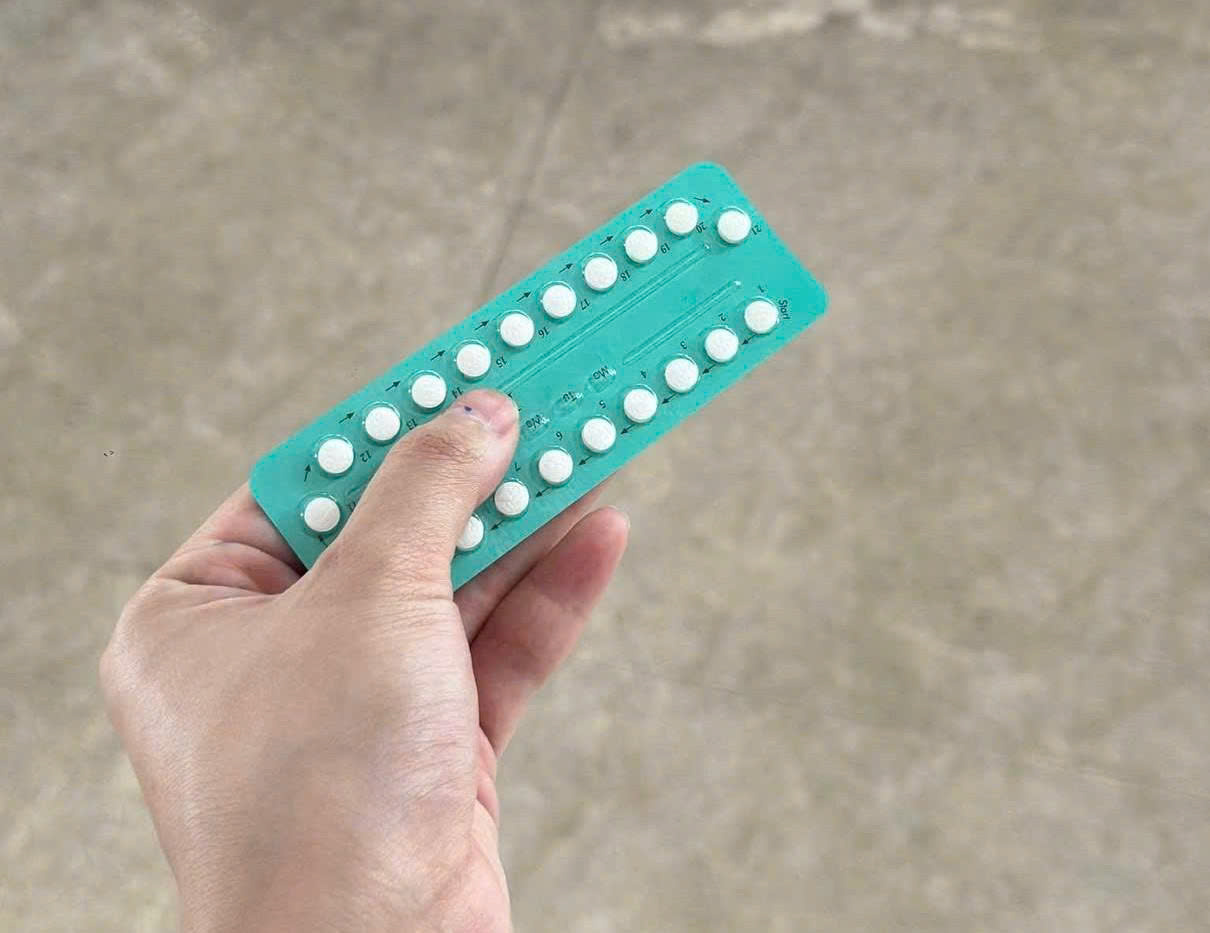 |
Daily birth control pills are convenient, but forgetting a dose can reduce their effectiveness. Photo: Tue Diem |
The contraceptive implant is a method that involves inserting a small, hormone-releasing rod under the skin on the inner side of the upper arm. This rod contains progestin, which is slowly released into the body. This small amount is sufficient to prevent ovulation and thicken cervical mucus, effectively preventing pregnancy with up to 99% efficacy. The implant is placed under the arm and does not interfere with sexual activity. However, there are contraindications for its use, including pregnant women, individuals with breast cancer, those with vascular diseases causing blood clots that lead to embolism, or patients with systemic lupus erythematosus.
Contraceptive injection is a highly effective method that offers convenience for women seeking temporary contraception without the need for daily pill intake. The contraceptive injection suppresses ovulation and significantly inhibits cervical mucus secretion, preventing sperm from entering the uterus. This method achieves a high efficacy of up to 99,6%, providing pregnancy prevention for one to three months, depending on the specific medication used.
The contraceptive patch is a transdermal medication applied directly to the skin on the lower abdomen, buttocks, or upper body on the first day of the menstrual period, remaining effective for seven consecutive days. The patch continuously releases hormones that prevent pregnancy by inhibiting ovulation, with an efficacy rate of up to 95%.
An intrauterine device (IUD) is a method that involves placing a small device into the uterus, typically offering 98-99% efficacy in preventing pregnancy. Doctors usually insert the IUD one to two days after a woman's period has ended or while she still has light spotting. The procedure is gentle, and after insertion, doctors often prescribe antibiotics and antispasmodic medication to manage pain. It is advisable to avoid sexual intercourse for seven to ten days following IUD insertion. However, this method is not generally recommended for women who have not yet given birth.
Doctor of First Degree Specialization Ho Thi Khanh Quyen
Obstetrics and Gynecology Center
Tam Anh General Hospital, Ho Chi Minh City