While cancer is often associated with hospital rooms or surgical procedures, daily dietary habits silently shape our health. Doctor Arpit Bansal, a cancer specialist, points out that consuming harmful chemicals from food can promote inflammation and cell damage over time.
According to Doctor Bansal, no food directly causes cancer instantly. However, repeated exposure to harmful compounds accumulates risk over many years. Here are 7 food items that require careful control in your diet:
Processed meats
Sausages, bacon, ham, and salami often contain nitrates and nitrites. Once in the body, these can convert into nitrosamines, a carcinogenic compound. Additionally, smoked meats produce polycyclic aromatic hydrocarbons (PAHs), directly linked to stomach, colorectal, and breast cancers.
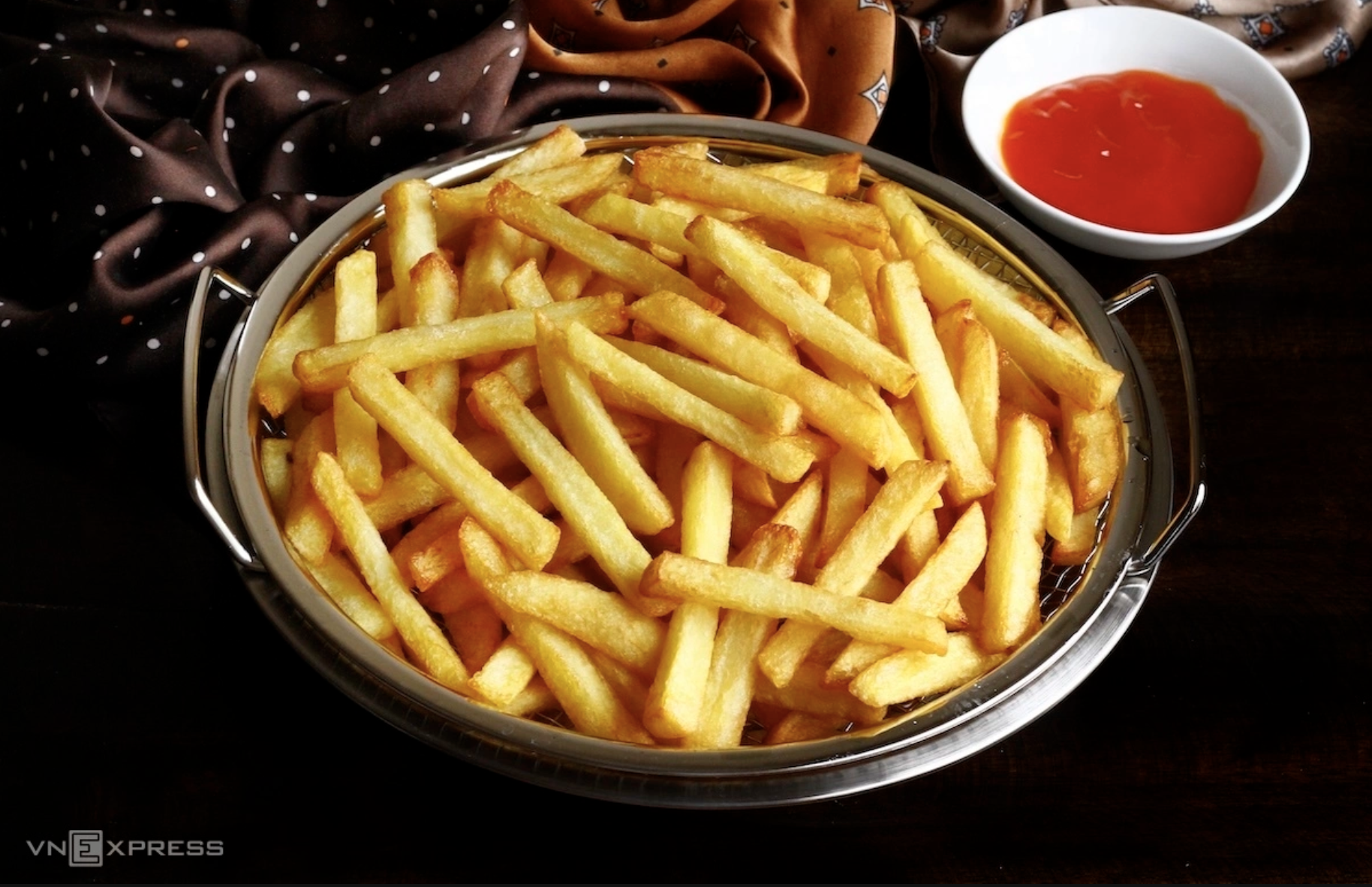 |
French fries and deep-fried snacks increase cancer risk. *Photo: Bui Thuy*
Excessive red meat consumption
Beef, pork, and lamb are not harmful in moderation. However, consuming too much, especially when cooked at very high temperatures like direct grilling or pan-frying, generates heterocyclic amines (HCAs) and PAHs. These compounds increase the risk of pancreatic and colorectal cancers.
Deep-fried foods
French fries and deep-fried snacks often contain acrylamide. This chemical forms when starchy foods are cooked at high temperatures. The International Agency for Research on Cancer (IARC) classifies acrylamide as "probably carcinogenic to humans". Fried foods also promote obesity and type 2 diabetes, two factors contributing to chronic inflammation.
Refined sugar and starches
Sugar itself is not a carcinogen, but excess sugar leads to weight gain, insulin resistance, and prolonged inflammation. According to a 2020 study in the *American Journal of Clinical Nutrition*, a diet high in refined starches increases oxidative stress, creating an ideal environment for cancer cells to develop.
Ultra-processed packaged foods
Noodles, sugary cereals, and ready meals are full of preservatives and unhealthy fats. Doctor Bansal warns that overconsumption of these foods not only increases the risk of digestive cancers but also damages the gut microbiome, a vital barrier of the immune system.
Alcohol
Once in the body, alcohol breaks down into acetaldehyde, a toxic compound that damages DNA and hinders cell repair. Regular alcohol consumption, even at moderate levels, is linked to breast, liver, mouth, throat, and colon cancers.
Charred foods
Overcooked or blackened parts of food contain very high concentrations of HCAs and PAHs. Experts advise cooking food until it is lightly golden, rather than charred, to minimize toxin exposure.
Beyond food, Doctor Bansal also highlights 4 often-overlooked risk factors:
BPA: Found in plastic containers and can linings, it can disrupt endocrine function, increasing the risk of breast and prostate cancers.
Aflatoxin: A toxin from molds in poorly stored grains and peanuts, it is a primary cause of liver cancer.
Pesticide residues: Long-term exposure can contribute to lymphoma and prostate cancer.
Artificial additives: Excessive intake of certain colorings and preservatives accumulates risk over time.
According to experts, prevention is not about living in fear, but about making smart choices daily. Prioritizing fresh, seasonal foods and limiting processed items is the best way to protect the digestive system and minimize long-term cancer risk.
By My Y (Source: Hindustan Times)