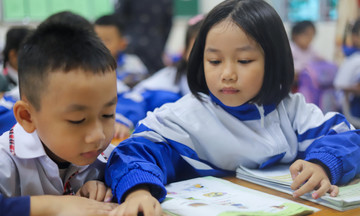
Children who spend too much unsupervised time on electronic devices may experience difficulties with language development, myopia, reduced academic focus, and limited social relationships. They can also become passive, less creative, and struggle with problem-solving. Engaging in alternative activities is beneficial for children's well-being and helps develop their critical thinking.
Playing games
Puzzles, Sudoku, and simple riddles sharpen a child's mind. Many children enjoy the challenge of piecing together an image. These activities are ideal for children to enjoy during their free time after school.
Reading books
Children who develop a reading habit often acquire a rich vocabulary, enhance their imagination and critical thinking, and cultivate concentration, patience, and empathy. Reading also helps build emotional connections with parents. A cozy reading corner, complete with cushions and colorful storybooks or comics, encourages children to embrace a culture of reading.
Drawing and art
Drawing, coloring, or creating crafts from old cardboard boxes keeps children entertained for hours. Art activities allow children to express themselves, foster creativity, and keep them away from phones. Displaying their artwork also instills a sense of pride and confidence in children.
Outdoor play
Cycling, playing tag, soccer, or taking short walks in nature helps children expend energy and relax their minds. Parents can organize treasure hunts or obstacle courses in the yard, sparking curiosity and encouraging exploration of the world around them.
Physical activities also establish healthy habits, reducing the risk of future illnesses such as diabetes or high blood pressure. Sports requiring memory, repetition, and learning are directly linked to a child's ability to absorb knowledge in the classroom.
Cooking
Children are often eager to participate in kitchen activities. During cooking, parents and children can have fun and bond. Simple tasks like mixing dough, decorating cookies, or making sandwiches teach children useful skills, promote understanding of healthy nutrition, and help them develop scientific eating habits as they grow.
Le Nguyen (According to Times of India)
| Readers can submit questions about newborns here for doctors to answer |