Iron deficiency is prevalent among women of reproductive age, children, and the elderly. Iron is essential for producing hemoglobin, the protein in red blood cells responsible for oxygen transport. Insufficient iron often results in fatigue, impaired immunity, and delayed cognitive development in children.
Daily iron requirements vary by age, gender, and health status. Specifically, women aged 19-50 need about 18 mg, while adult men require approximately 8-10 mg daily. Iron-rich foods to include in the diet are: animal liver, beef, nuts, spinach, kale, and dates.
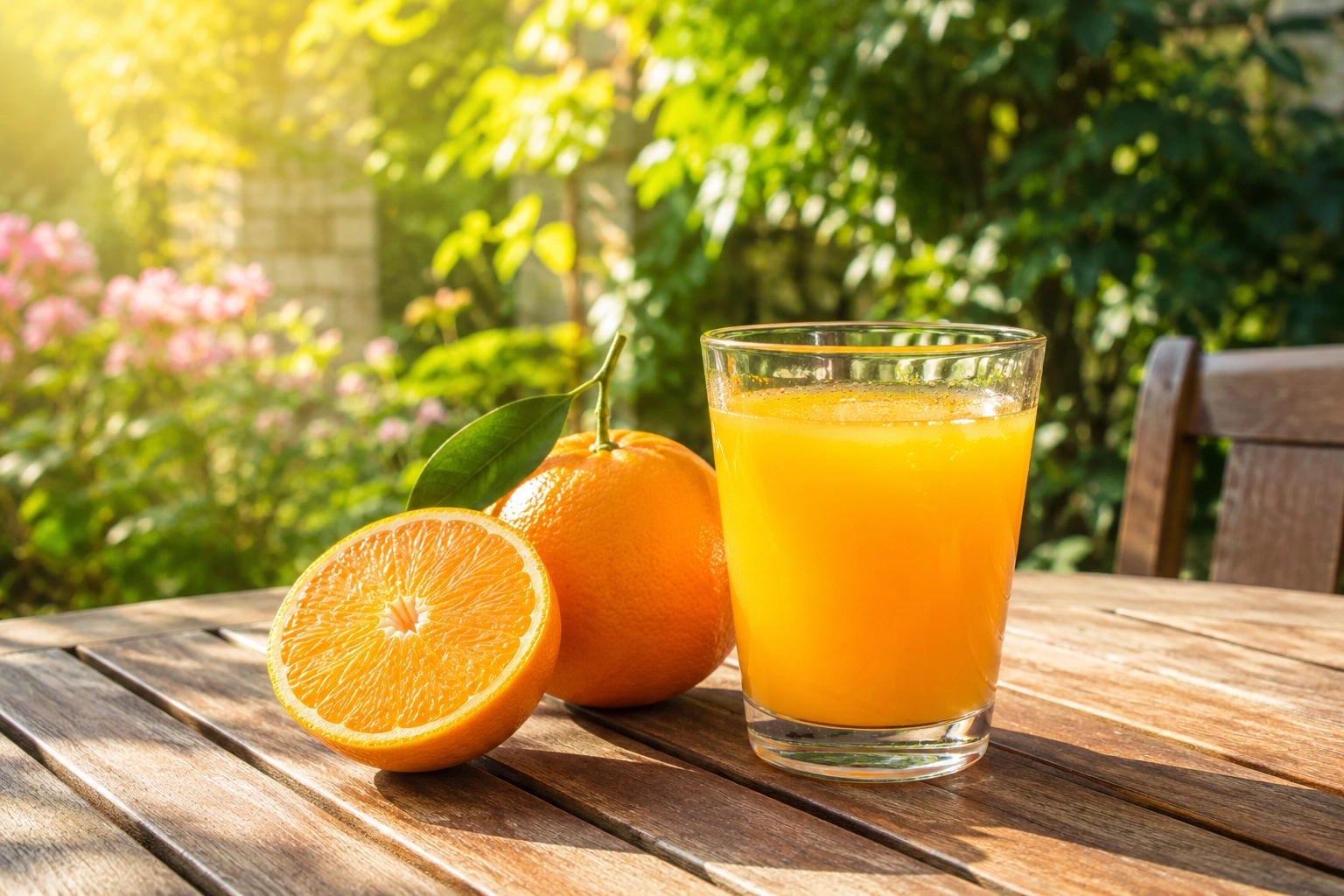
Vitamin D deficiency poses health risks, particularly concerning bone health. This vitamin is crucial for calcium absorption and bone mineralization. Low vitamin D levels can lead to rickets in children and osteomalacia or osteoporosis in adults. Limited sun exposure, dark skin pigmentation, and a poor diet are primary factors contributing to vitamin D deficiency in many individuals. Foods rich in vitamin D include: salmon, sardines, egg yolks, mushrooms, milk, and orange juice.
Iodine deficiency is a significant cause of thyroid disorders, including goiter and hypothyroidism. Iodine is necessary for the synthesis of thyroid hormones, which regulate metabolism, growth, and development. A lack of this nutrient during pregnancy can lead to severe cognitive impairment and developmental delays in children.
Vitamin A deficiency is common in low-income countries and is a leading cause of blindness in children. Vitamin A plays a vital role in maintaining healthy vision, supporting immune function, and promoting cell development. A deficiency in this nutrient increases the risk of severe infections and can lead to night blindness.
Zinc is an essential trace mineral involved in immune response, wound healing, and cell growth. Zinc deficiency is common in children, increasing their susceptibility to infections and slowing wound healing. Poor diet and high rates of diarrhea contribute significantly to zinc deficiency.
Foods rich in zinc to incorporate into the diet include: beef, shellfish, pumpkin seeds, whole grains, oats, and legumes.
Le Nguyen (According to Times of India)
| Readers can submit nutrition questions here for a doctor's response. |