Baby Long, born via C-section at 39 weeks and weighing 3,4 kg, had an unremarkable pregnancy. Three days after birth, the baby developed jaundice. Dr. Mai Hai Yen, from the Neonatology Department at Tam Anh General Hospital Hanoi, observed a 39-degree Celsius fever, but no apnea and normal lung function. The baby fed well without vomiting, but had otitis media with bilateral effusion and acute nasopharyngitis. Rapid tests for influenza A, influenza B, RSV, and Covid-19 were negative, and urine tests were normal.
A chest X-ray revealed non-homogeneous opacity in the baby’s right lung apex. Ultrasound further showed scattered consolidation in the left lung and upper right half, accompanied by multiple bilateral B-lines, leading doctors to suspect lung parenchymal damage.
Despite initial treatment, the baby continued to experience high fevers, each lasting about 6-7 hours, and began to develop respiratory failure, requiring oxygen support via nasal cannula. A PCR test of nasopharyngeal fluid confirmed the presence of legionella pneumophila.
Legionella pneumophila, a gram-negative bacteria, thrives in water environments and artificial water systems, causing infection when individuals inhale small water droplets containing the bacteria. Dr. Yen noted that medical literature has documented cases in newborns linked to water systems, water used to prepare formula, or humidifiers and nebulizers in care environments. Pneumonia caused by this bacteria often leads to rapid, severe respiratory failure, necessitating intensive respiratory support.
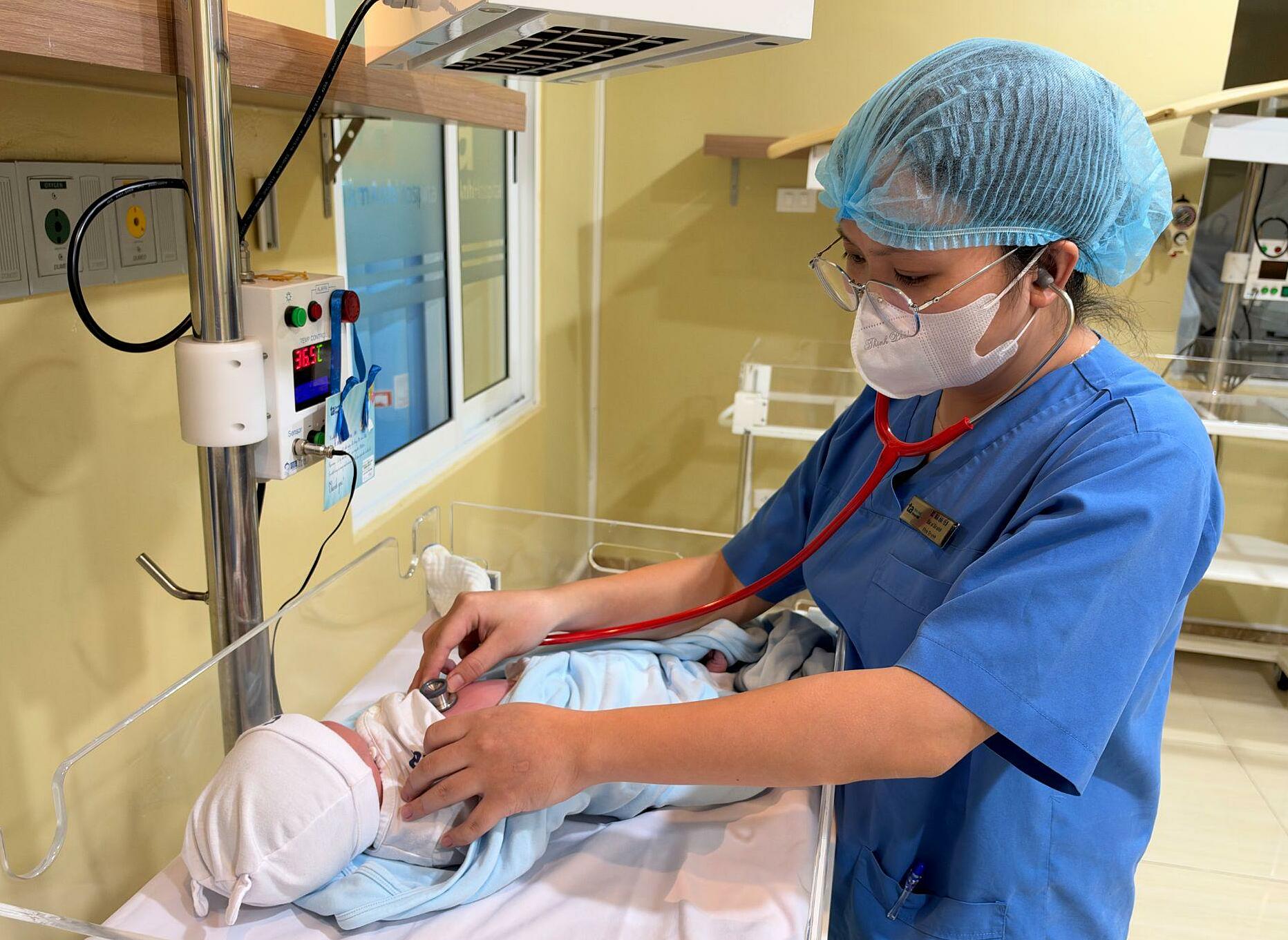 |
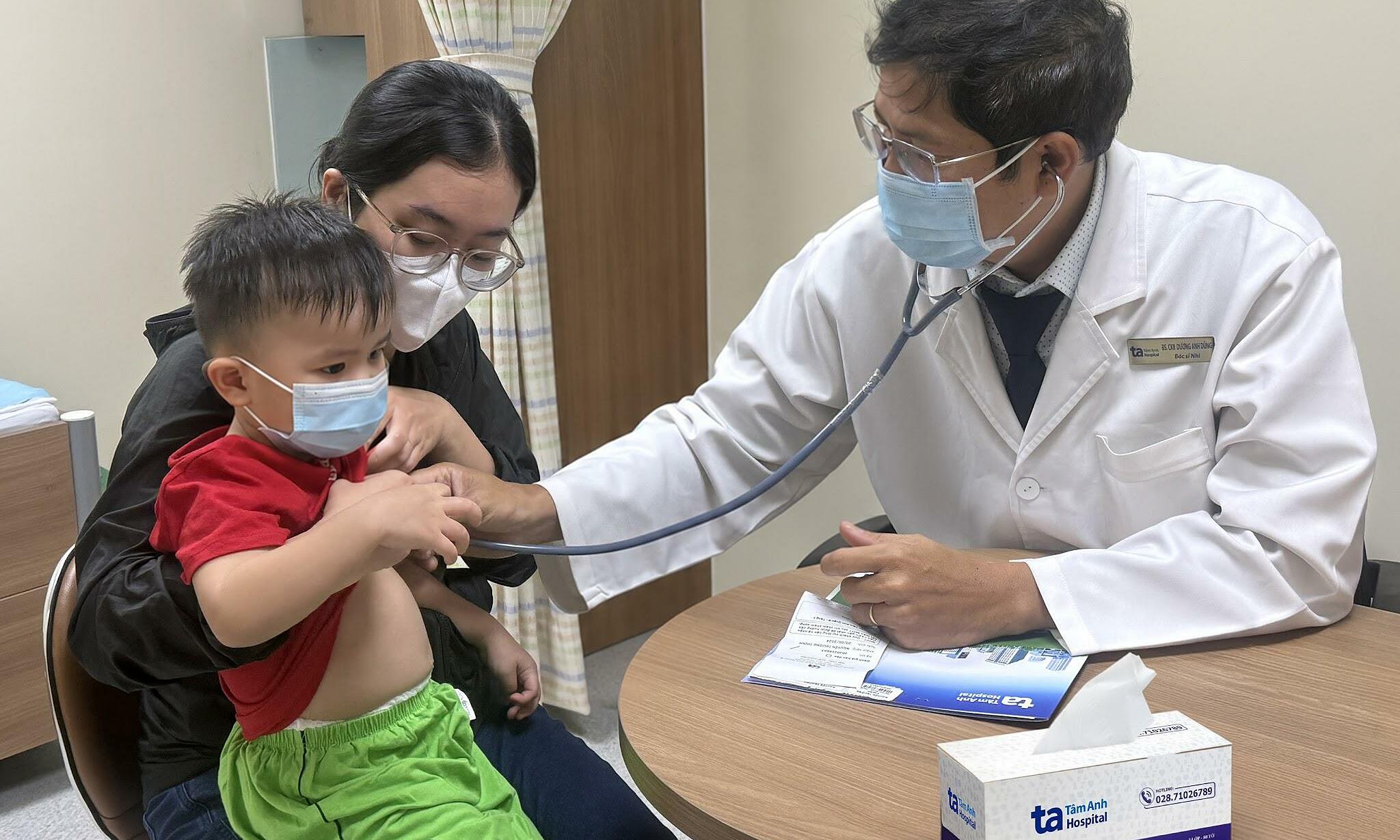
Dr. Yen re-examines the baby before discharge. Photo: Tam Anh General Hospital
The exact source of the legionella pneumophila infection remains unknown. However, after identifying the cause, doctors adjusted the treatment protocol and administered appropriate antibiotics, leading to the baby becoming fever-free within 24 hours. The inflammatory marker (CRP) significantly dropped from 14,2 mg/dL upon admission to 1,01 mg/dL. Baby Long's respiratory function stabilized, feeding improved, and after a 7-day course, antibiotics were discontinued, and the baby was discharged.
Dr. Yen emphasized that pneumonia caused by legionella pneumophila often presents with fever and respiratory failure, making it easily confused with common bacterial or viral infections. The disease can progress rapidly and severely, potentially leading to death if diagnosis and treatment are delayed.
Parents should seek immediate medical attention for newborns experiencing fever, especially if symptoms include rapid breathing, difficulty breathing, cyanosis, poor feeding, lethargy, or apnea. It is crucial to avoid self-medicating with antibiotics before a definitive diagnosis. Families should ensure the use of safe water, properly sanitize all water-contacting equipment, and follow instructions for formula preparation.
Thuy Hanh
*Patient's name has been changed
| Readers can submit questions about children's diseases here for doctors to answer |