Ms. Thu presented to Tam Anh General Hospital Ho Chi Minh City with a small, painful lump in her left breast, which she noticed during her menstrual period. An ultrasound revealed a 1.9x1.9 cm tumor, classified as Birads-5, indicating over 95% likelihood of malignancy.
Master, Doctor, Specialist Level I Huynh Ba Tan, of the Oncology Surgery Department at the Oncology Center, described the tumor as hard and mobile. A subsequent biopsy confirmed it as stage 0 breast cancer, meaning malignant cells had not yet invaded surrounding tissue.
Ms. Thu underwent tumor removal and immediate breast reconstruction using an abdominal muscle flap, known as a TRAM flap. Doctor Tan emphasized that integrating breast reconstruction with cancer surgery helps minimize alterations to the breast's appearance, lessens psychological distress, and supports a smoother recovery process for the patient.
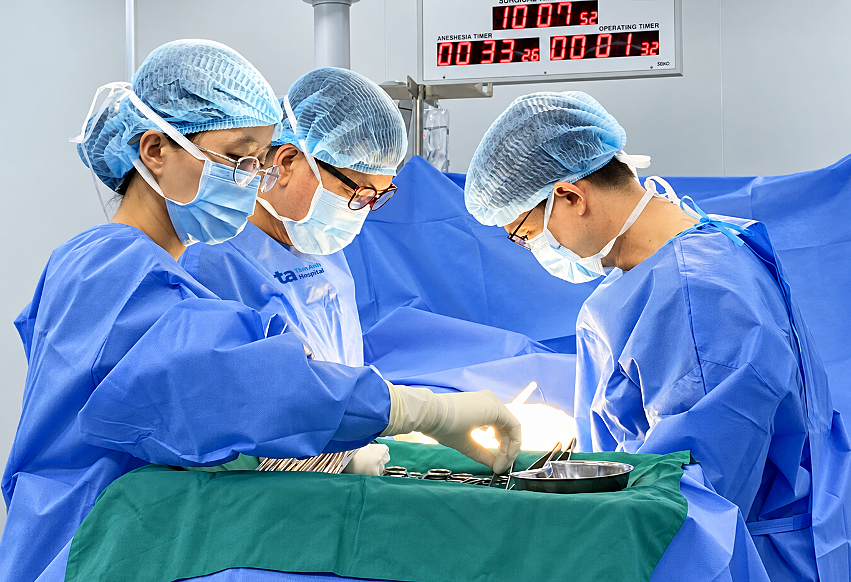 |
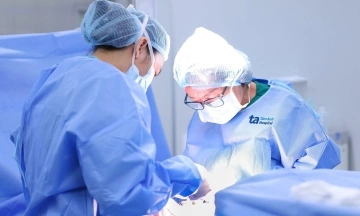
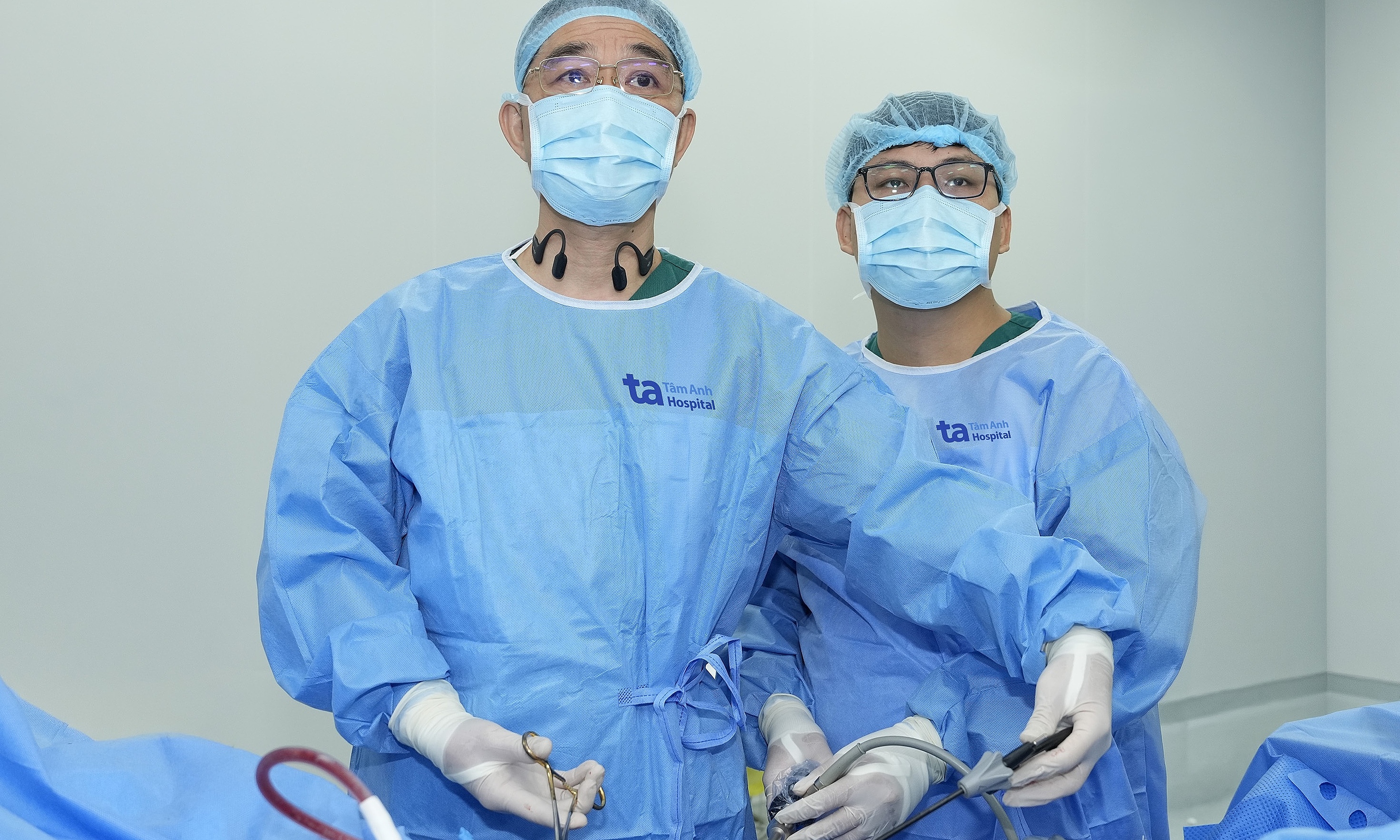
Doctor Tan performing cancer surgery combined with breast reconstruction using a TRAM flap for Ms. Thu. *Photo: Tam Anh General Hospital*
The complex procedure involved two surgical teams working concurrently. One team focused on removing the entire mammary gland, carefully preserving the areola and nipple, and performing sentinel lymph node dissection. A biopsy of tissue samples from beneath the nipple returned negative, confirming the viability of nipple preservation. Simultaneously, the second team prepared the rectus abdominis myocutaneous (TRAM) flap for reconstruction. Surgeons meticulously dissected the TRAM flap, creating a tunnel from the abdomen to the chest to position the flap and sculpt the new breast. The abdominal wall was then reinforced with a synthetic mesh to mitigate the risk of post-surgical abdominal hernia.
Following surgery, Ms. Thu's condition stabilized, allowing her discharge after three days. The reconstructed breast was soft, and her abdomen appeared slender. Due to the early stage of her cancer, she did not require additional chemotherapy or radiation therapy.
 |
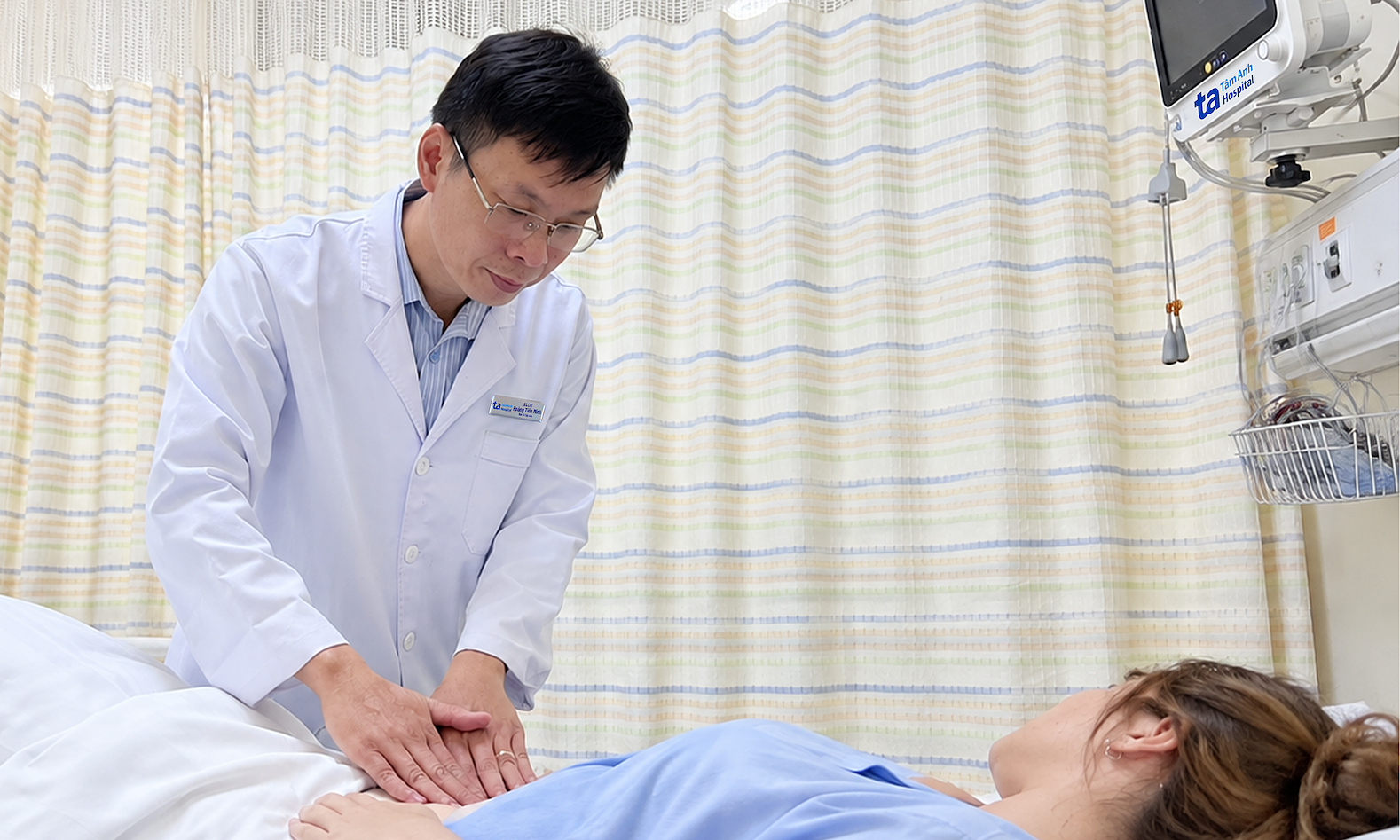
Doctor Tan instructing the patient on self-breast examination during a follow-up appointment. *Photo: Hospital provided*
Doctor Tan explained that hormonal fluctuations of estrogen and progesterone during each menstrual cycle can cause breast glandular tissue to swell and retain water, resulting in pain that can be mistaken for a lump. While this discomfort typically resolves after the cycle, it is crucial to note that new, malignant lumps can also develop.
Many women mistakenly attribute breast pain during menstruation to cancer symptoms, which can lead them to overlook opportunities for early cancer detection. Doctor Tan advises women to undergo regular health check-ups and to seek medical attention promptly if they experience unusual breast pain or detect a lump. When treated in its early stages, breast cancer has a remarkable 99% cure rate.
Khai Minh
*Character name changed
| Readers can submit questions about cancer here for doctors to answer. |