 |
As individuals reach age 60, their bodies undergo changes affecting nutrient absorption, muscle mass, and bone and joint health. Nutrition experts emphasize that a diet rich in essential nutrients can significantly lower the risk of chronic diseases, support cognitive function, and contribute to a longer lifespan. This article highlights key food groups recommended for regular consumption after age 60.
Ngu coc nguyen hat
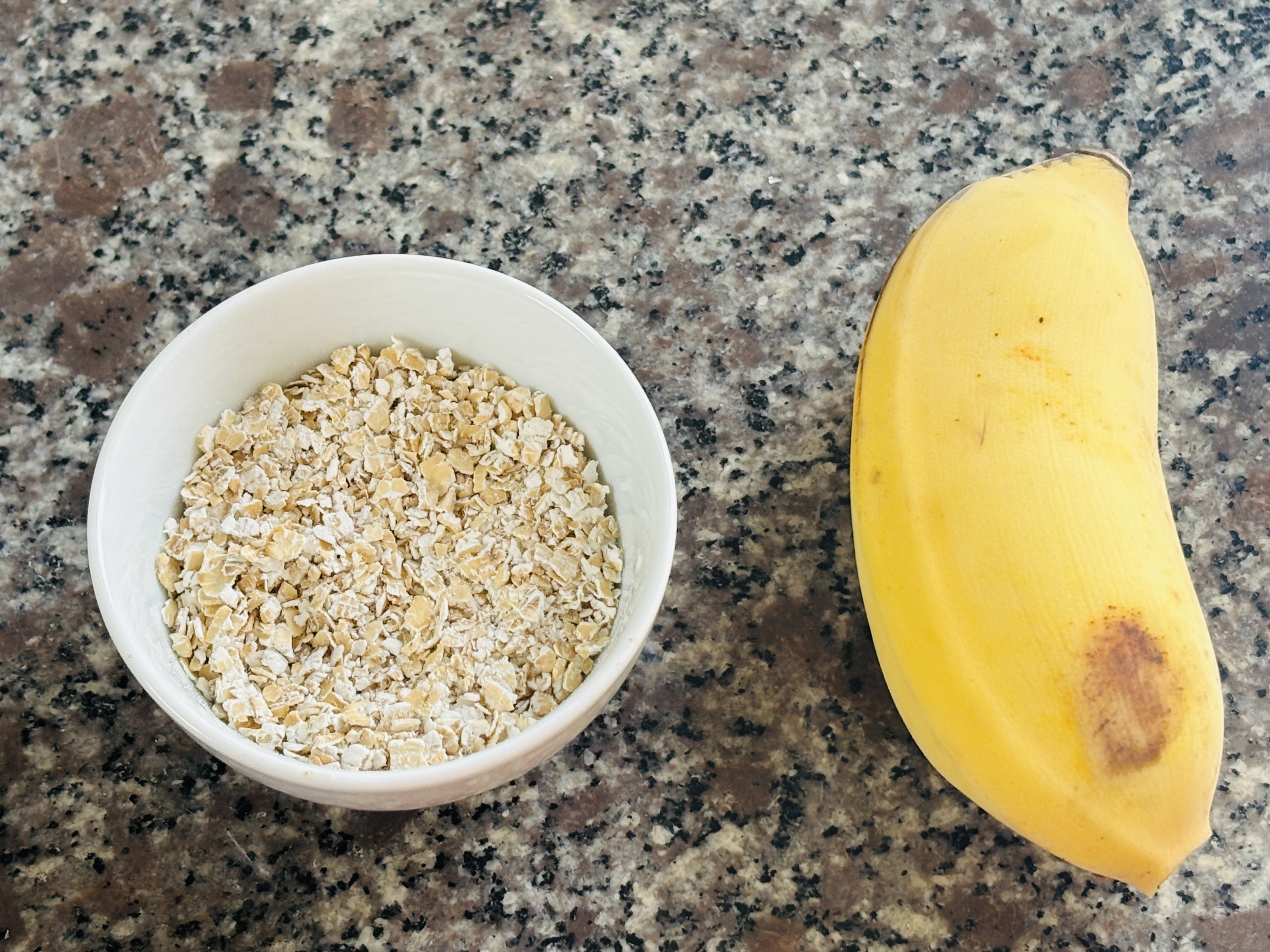
Whole grains: Foods like oats, brown rice, and whole-wheat bread offer abundant fiber, B vitamins, and antioxidants. A diet rich in whole grains is associated with a reduced risk of cardiovascular disease and premature mortality.
 |
Ca phe
Coffee: Moderate coffee intake, defined as fewer than 4 cups daily, is linked to a lower risk of cardiovascular disease and certain chronic conditions. However, experts advise against excessive consumption and recommend limiting added sugar and fatty cream.
 |
Cac loai dau
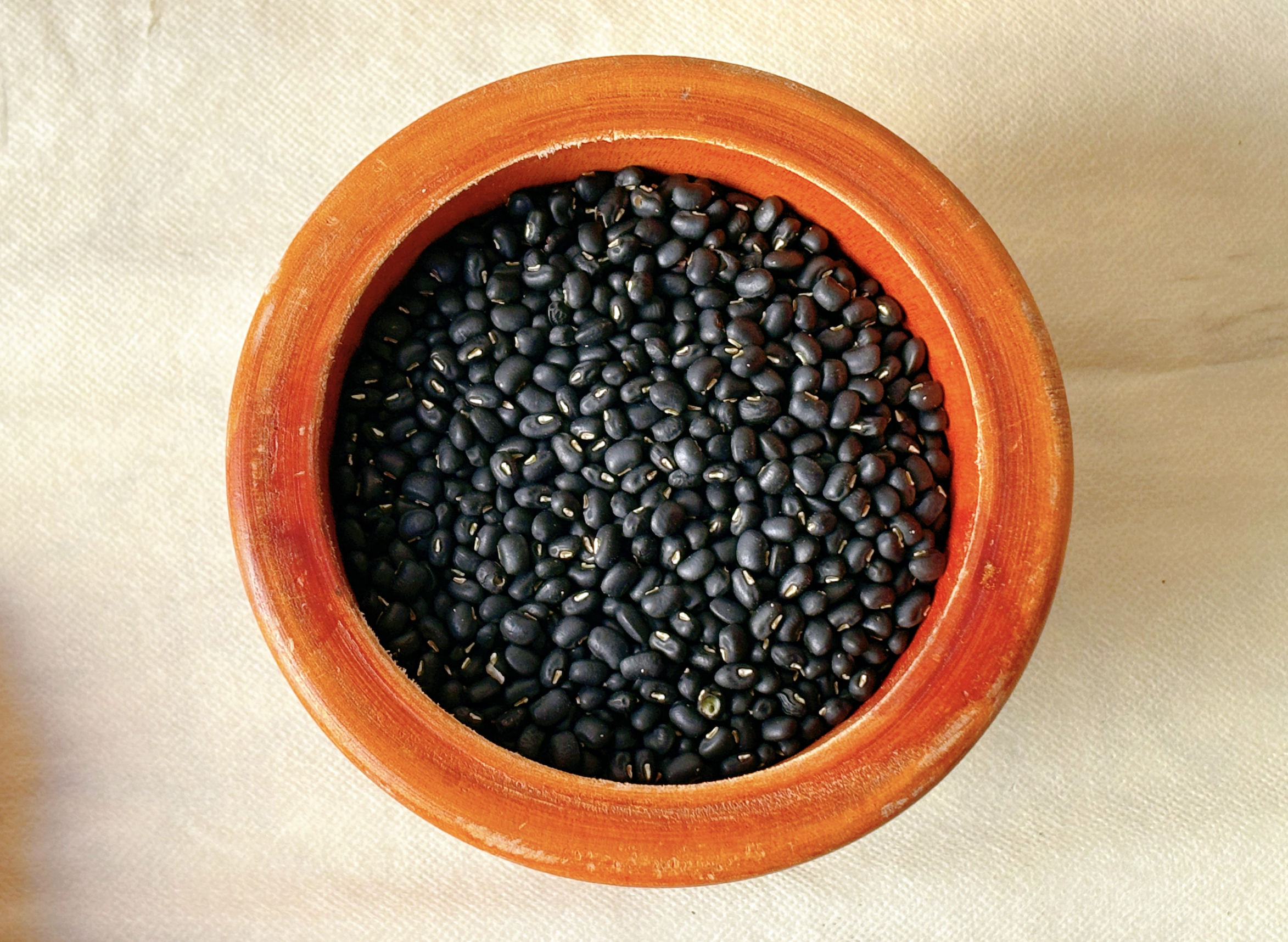
Beans: Lentils, black beans, kidney beans, and chickpeas are excellent sources of plant protein and fiber. They assist in managing cholesterol and blood sugar levels, while also promoting a feeling of fullness.
 |
Rau xanh dam
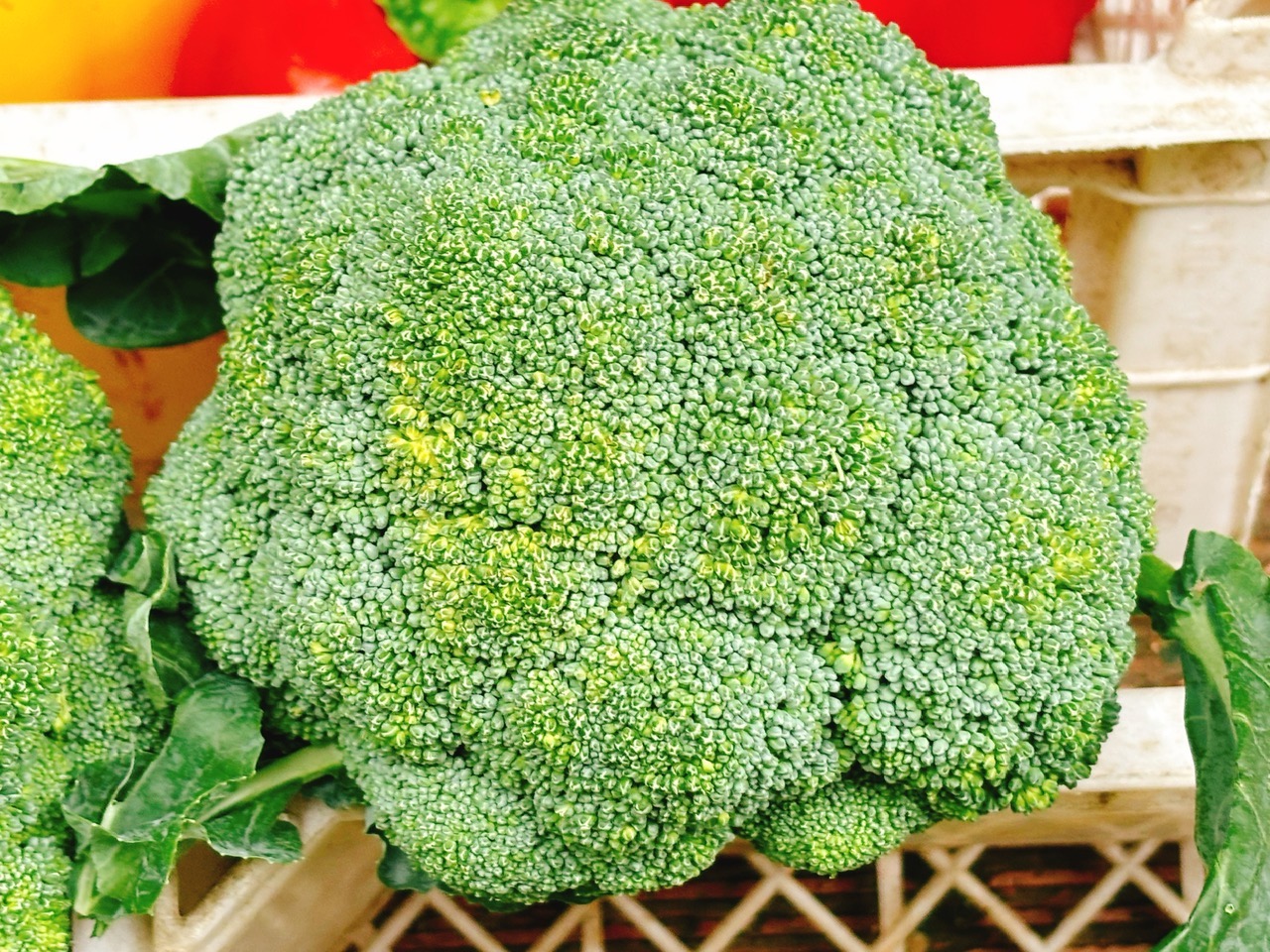
Dark green vegetables: Varieties such as broccoli, spinach, kale, and collard greens are packed with folate, vitamin K, and lutein. These vegetables benefit memory, bone and joint health, and eye function. They also provide essential vitamins, minerals, and beneficial plant compounds that support brain health and reduce the risk of chronic diseases.
 |
Cac loai hat
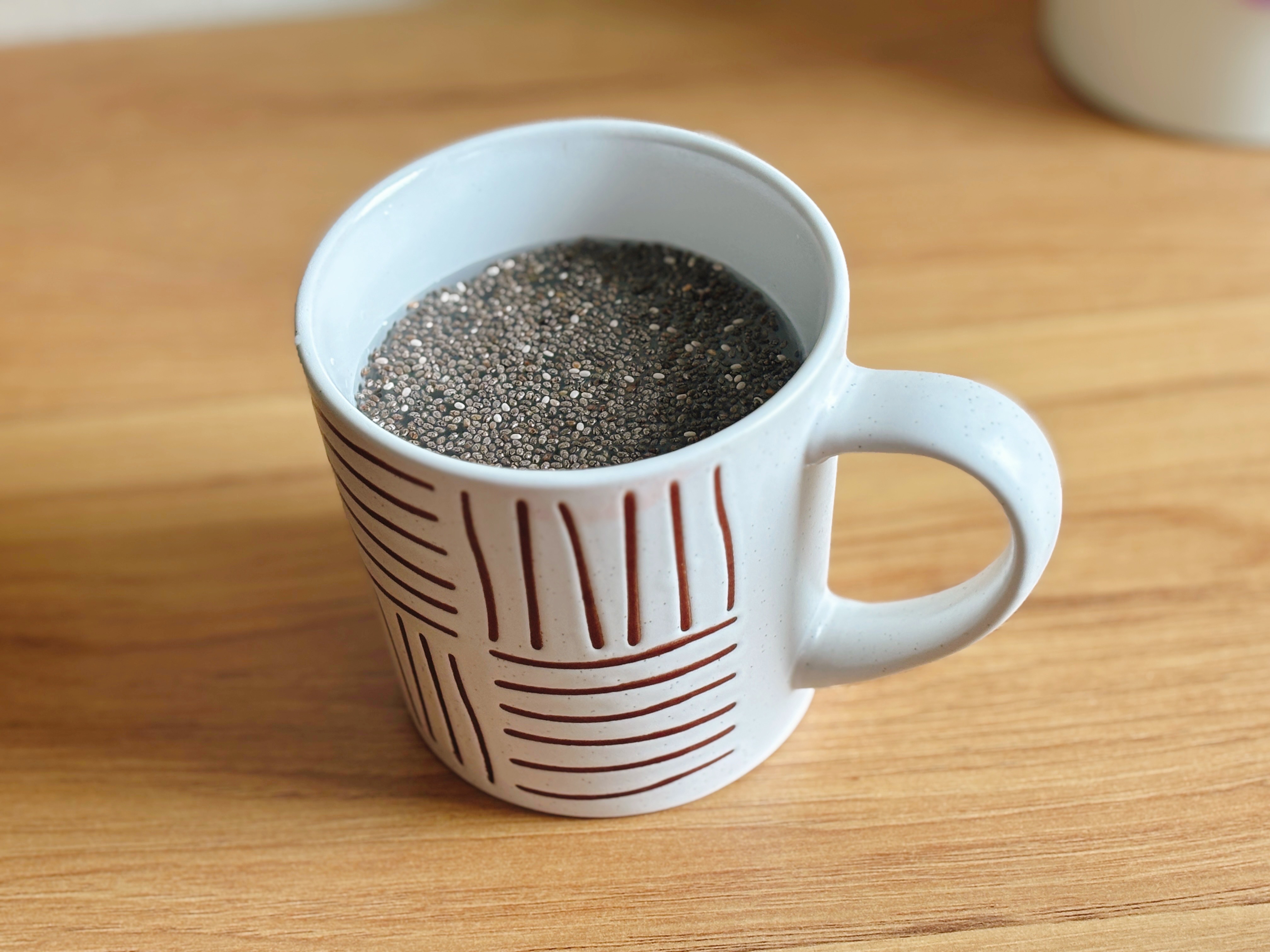
Nuts: Almonds, walnuts, chia seeds, and flaxseeds deliver healthy fats, protein, and fiber. They support cardiovascular health, reduce inflammation, and help maintain cognitive function.
 |
Ca beo
Fatty fish: Salmon, mackerel, and sardines are rich in omega-3s and vitamin D. Regular consumption of these fish can support cardiovascular and brain health, while also reducing the risk of osteoporosis in older adults.
 |
Viet quat
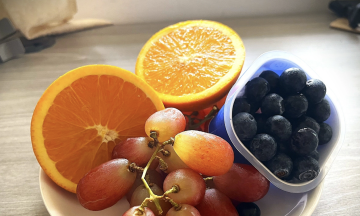
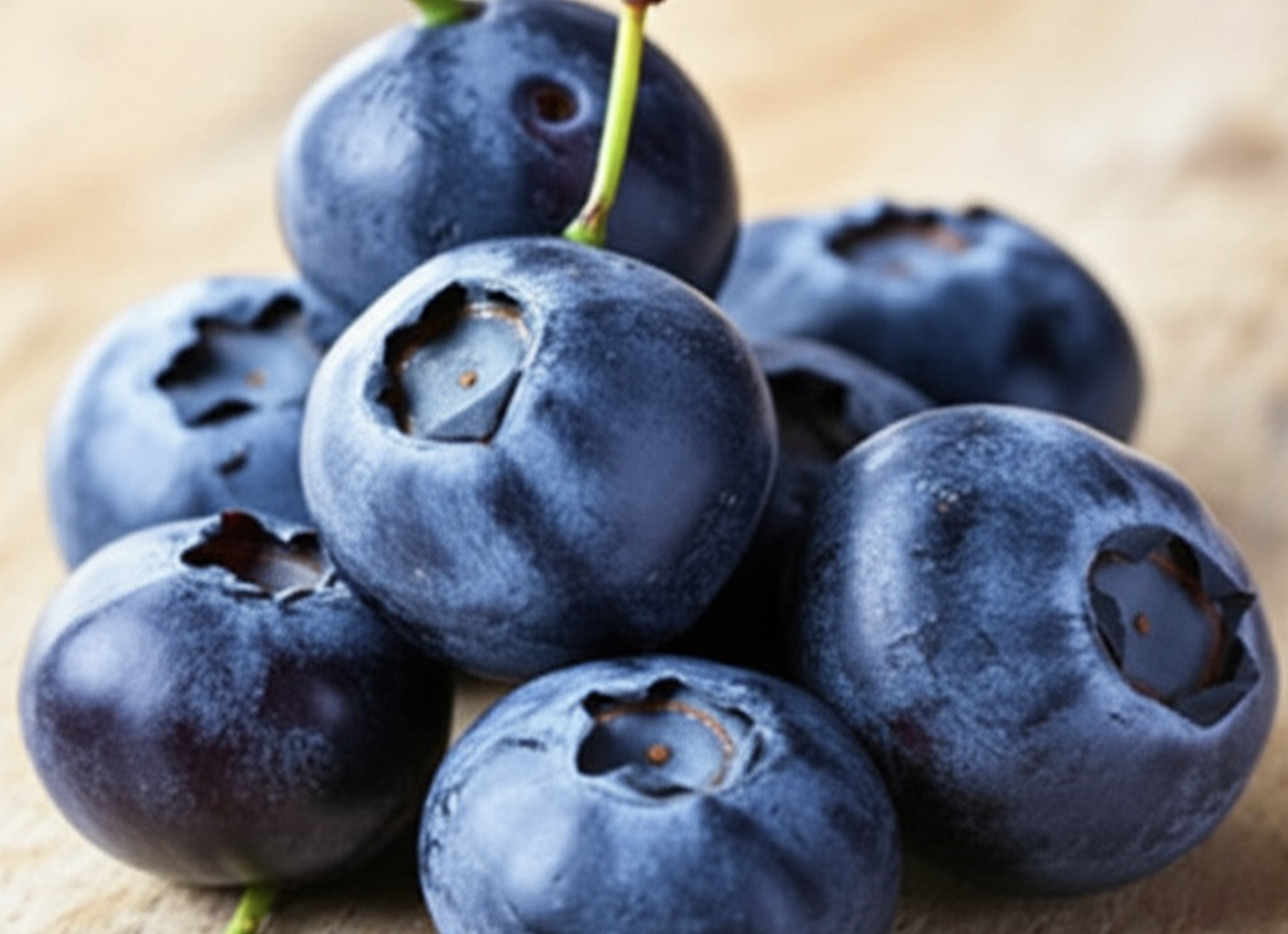
Blueberries: This fruit contains numerous antioxidants, notably anthocyanins—compounds that can support brain function and reduce inflammation. Regular blueberry consumption also helps protect memory in later years.
Bao Bao (According to Verywell Health)
Photo: Bao Bao, AI