According to the World Health Organization (WHO), healthcare systems must transition from a treatment model to one of prevention and proactive health management. This shift focuses on strengthening grassroots healthcare, expanding access to services, and applying technology in care.
Indeed, digital technology, wearable biosensors, and health data are progressively transforming how people monitor and manage their physical well-being. Instead of visiting hospitals only when symptoms appear or for routine check-ups, technology empowers individuals to grasp real-time health metrics. This understanding allows them to better know their bodies and proactively adjust their lifestyles. This trend contributes to fostering a personalized care model, where data forms the foundation for decisions regarding nutrition, physical activity, and disease prevention.
At CES 2026 in Las Vegas, United States, Abbott introduced Libre Assist, a new feature integrated into the FreeStyle Libre continuous glucose monitoring system's application. Utilizing artificial intelligence (AI), Libre Assist predicts the impact of food on blood sugar levels before a meal, while also suggesting adjustments to mitigate the risk of elevated blood sugar.
According to Abbott, this feature allows users to photograph or input food information, enabling the system to predict food's impact on blood sugar levels and provide personalized guidance at the moment of selection.
After a meal, Libre Assist continues to leverage data from sensors within the FreeStyle Libre continuous glucose monitoring system to verify the actual impact of food on blood sugar.
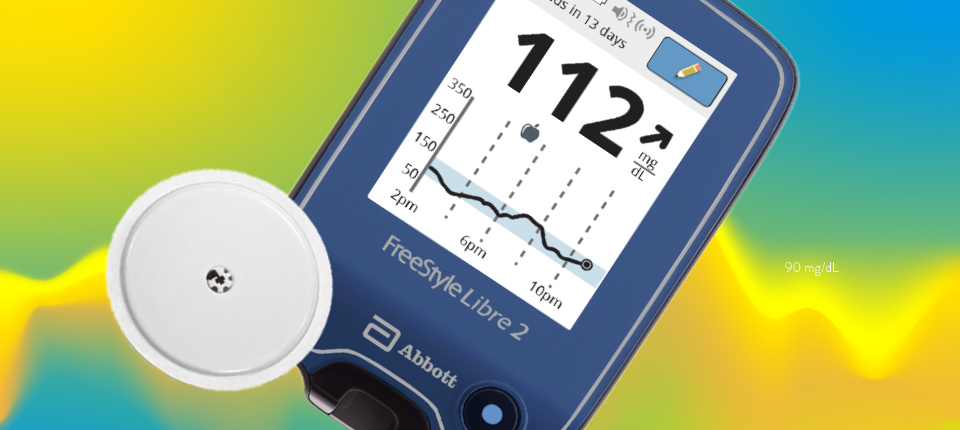 |
FreeStyle Libre provides actionable data, helping diabetes patients make informed decisions. Photo: Abbott |
FreeStyle Libre provides actionable data, helping diabetes patients make informed decisions. Photo: Abbott
More than 7 million people in over 60 countries use FreeStyle Libre, which has been available in Vietnam since 2021. It expands self-monitoring capabilities, promotes personalized treatment trends, and enhances patient autonomy.
With over three decades of operation in Vietnam, Abbott not only provides nutritional solutions, pharmaceuticals, and medical-diagnostic devices but also collaborates closely with domestic agencies and healthcare facilities. This partnership aims to help address a range of growing health challenges, particularly non-communicable diseases such as diabetes and cardiovascular conditions.
In the cardiovascular field, the company offers new solutions alongside specialized training and technology transfer. These initiatives contribute to expanding treatment options and enhancing capabilities at healthcare facilities.
For instance, the heartmate 3 left ventricular assist device was successfully implanted in a patient at Military Central Hospital 108, offering an additional treatment option for complex heart failure cases. Abbott and Military Central Hospital 108 also collaborate on training sessions for cardiovascular screening and treatment, supporting the transfer and application of new clinical techniques.
Previously, the mitraclip minimally invasive mitral valve repair device and the amplatzer piccolo occluder, which supports treatment for patent ductus arteriosus in premature and newborn infants, were introduced in Vietnam.
 |
The mitraclip minimally invasive mitral valve repair device. Photo: Abbott |
The mitraclip minimally invasive mitral valve repair device. Photo: Abbott
Additionally, Abbott introduced new diagnostic testing solutions, reflecting a trend towards automation and process optimization to enhance operational efficiency and patient care quality.
For example, the GLP Systems Track open automation system was deployed at Ho Chi Minh City Hospital of Hematology and Blood Transfusion. This system enables multi-platform connectivity, automating the entire testing process, from serology and blood typing to molecular biology nucleic acid testing (NAT). It is also the first GLP system in the blood banking sector across Asia-Pacific.
Furthermore, Abbott partnered with strategic allies to advance a series of community care initiatives. The company and the Vietnam Young Physicians' Association launched the 'Elderly Healthcare - For a Healthier Vietnam 2026' program in January. More than 1,000 elderly individuals in Hanoi received general health check-ups, early disease risk screenings, muscle mass assessments, and nutritional counseling.
Supporting the program, Dinh Hong Ngoc, Director of Communications and External Affairs for Abbott Vietnam, emphasized that healthcare should not only begin when illness strikes but must be built early through scientific nutrition, appropriate physical activity, and individual proactivity. "Through our community activities, we hope to contribute to building a sustainable healthcare ecosystem, with prevention and nutrition as its foundation," Ngoc stated.
 |
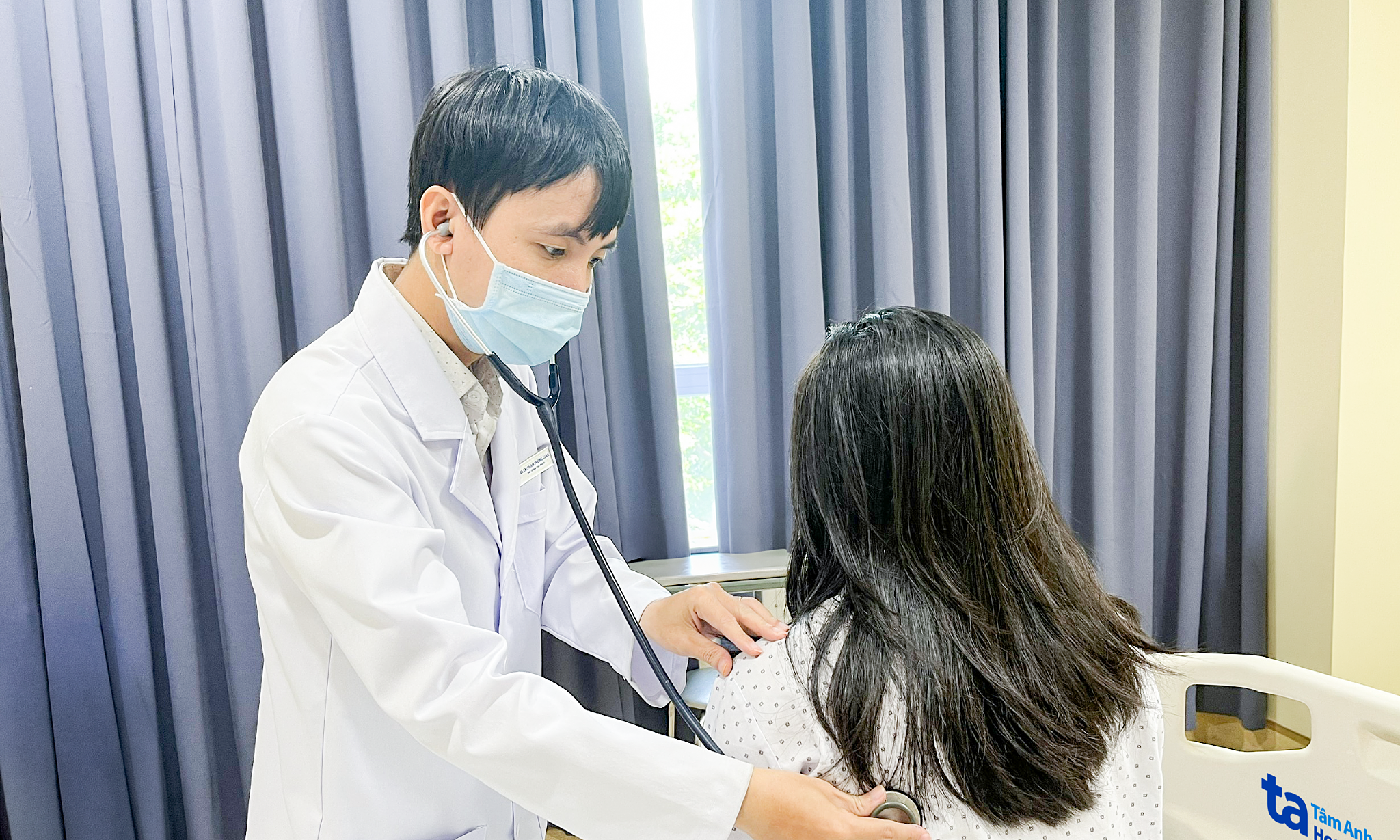
Elderly individuals received free health check-ups in January. Photo: Manh Thang |
Elderly individuals received free health check-ups in January. Photo: Manh Thang
As Vietnam aims to increase life expectancy and foster innovation in the healthcare sector, aligning with Resolution 72-NQ/TW, the accessibility and application of new technologies are expected to further support the healthcare system in enhancing treatment effectiveness and improving the quality of life for its citizens.
Hieu Chau