Elevated cholesterol levels increase the risk of stroke and cardiovascular diseases. According to Doctor Tieu Tiep Kien from Taiwan, the key to stabilizing these levels is proper eating, not starvation, focusing on a formula of high fiber, good fats, and low sugar.
On his personal YouTube channel, Doctor Tieu Tiep Kien, a weight loss specialist, stated that by mastering the nutritional ratios across ba bua an (three meals), the body will naturally restore metabolic balance without the need for difficult fasting. Below is a detailed meal plan designed to naturally lower cholesterol:
Breakfast: Soluble fiber combined with protein
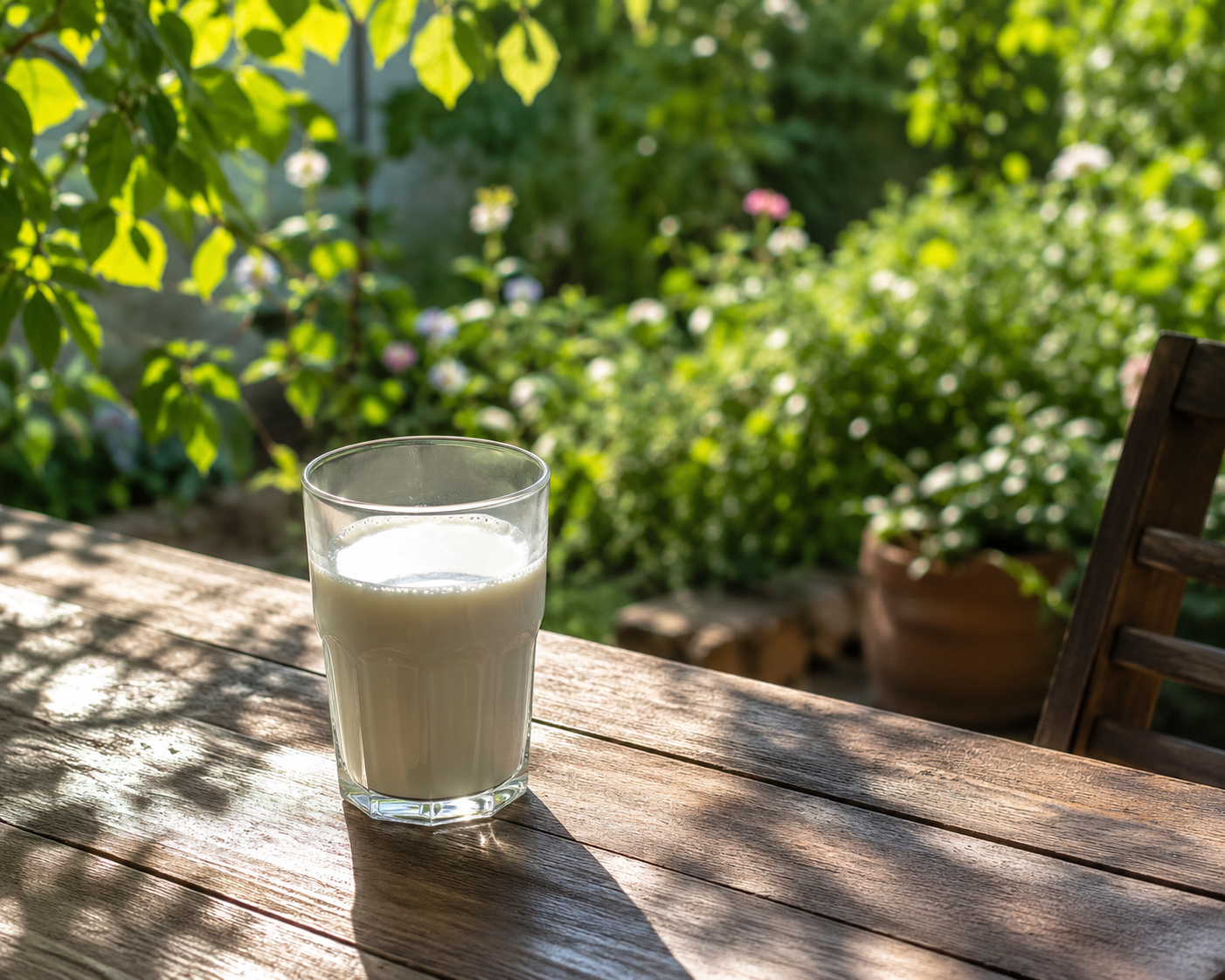
Doctor Tieu noted that morning is a prime time to support metabolism. He recommends incorporating soluble fibers such as oatmeal porridge, chia seed soy milk, black wood ear mushroom jelly drink, or psyllium husk water.
Soluble fiber helps bind bile acids in the intestines, facilitating cholesterol excretion through stool. Additionally, pairing this with a portion of protein, such as boiled eggs, unsweetened soy milk, or plain yogurt, helps stabilize blood sugar, promotes satiety, and curbs cravings for sweets.
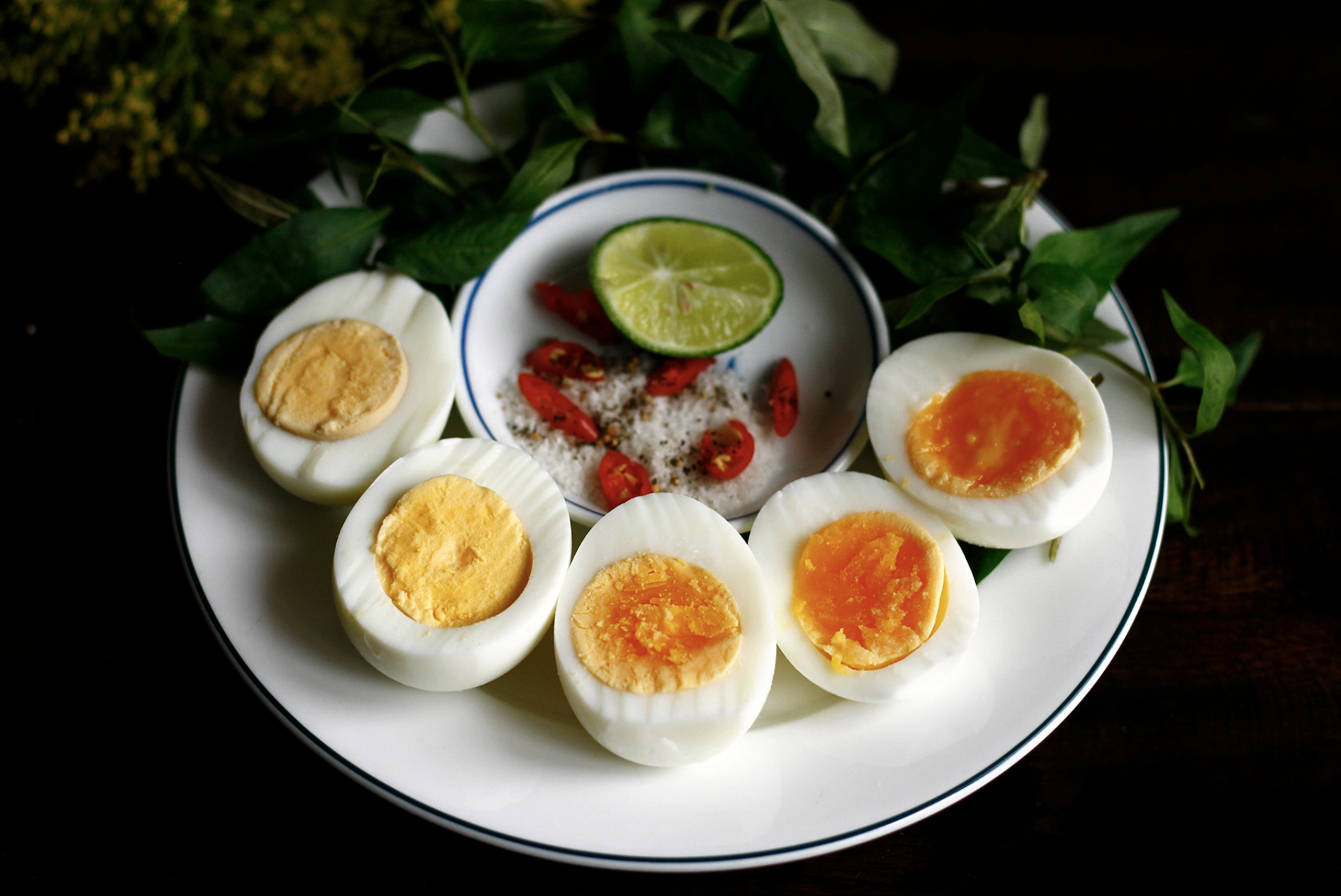 |
Bua sang nen ket hop them mot phan protein nhu trung luoc, sua dau nanh khong duong hoac sua chua nguyen chat. Anh: Bui Thuy
Lunch: Choose the right oils, prioritize abundant vegetables
For lunch, the quality of cooking oil and the quantity of green vegetables are crucial. Individuals who frequently eat out often consume "hidden fats" from fried chicken, braised pork with rice, stir-fried noodles, or thick soups (which use tapioca starch). These fats predominantly come from refined vegetable oils or trans fats.
Lunch recommendations:
Replace white rice with whole grain rice.
Add at least hai phan rau xanh (two portions of green vegetables), preferably steamed, boiled, or lightly braised, avoiding deep-frying or stir-frying.
For soup: Add tofu or seaweed.
Vegetable oils: Prioritize olive oil, avocado oil, or seed oils. These are sources of monounsaturated fatty acids, which help reduce low-density lipoprotein (LDL) cholesterol (bad cholesterol) and increase high-density lipoprotein (HDL) cholesterol (good cholesterol).
Dinner: Controlling sugar and carbohydrates is paramount
As physical activity generally decreases in the evening, controlling sugar and carbohydrate intake becomes essential. Doctor Tieu warned that if one eats late or drinks bubble tea in the evening, the liver will convert excess sugar into cholesterol.
Dinner principles:
Carbohydrates: Limit intake to the size of one fist, prioritizing low glycemic index (GI) options such as brown rice, sweet potatoes, or quinoa.
Protein: Consume a palm-sized portion, opting for lean meat, soy products, or fish.
Green vegetables: Maintain at least hai phan rau (two portions of vegetables). If hunger strikes between meals, a small amount of nuts or fiber-rich fruits can serve as a light snack.
Doctor Tieu Tiep Kien advised that if cholesterol levels remain high after ba thang (three months) of dietary adjustments, patients must consult a doctor for a thorough examination. This helps determine if "Familial Hypercholesterolemia" (a genetic factor) is present, allowing for timely medical intervention.
My Y (According to China Times)