Russia's Ministry of Health shared this information with TASS news agency on 1/4. Alexander Gintsburg, director of the Gamaleya Center, which developed the experimental cancer treatment vaccine, stated that Neooncovac was administered to the first clinical patient, a 60-year-old man with stage three melanoma.
"After the injection, the patient's health remains good, with no adverse reactions to the drug. This vaccine specifically helps prevent metastasis", Gintsburg added.
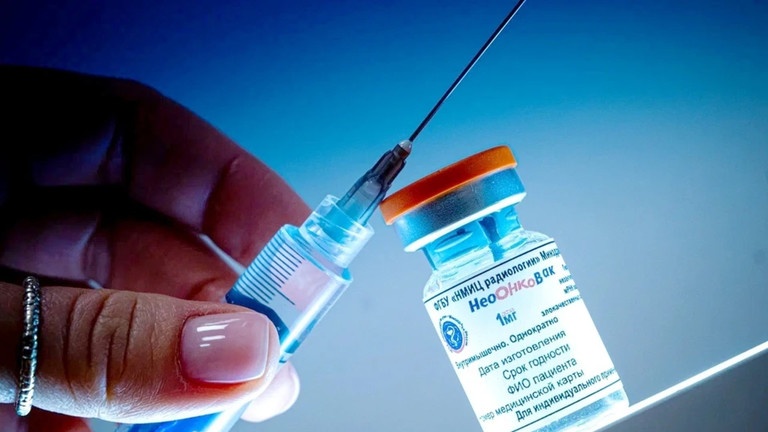 |
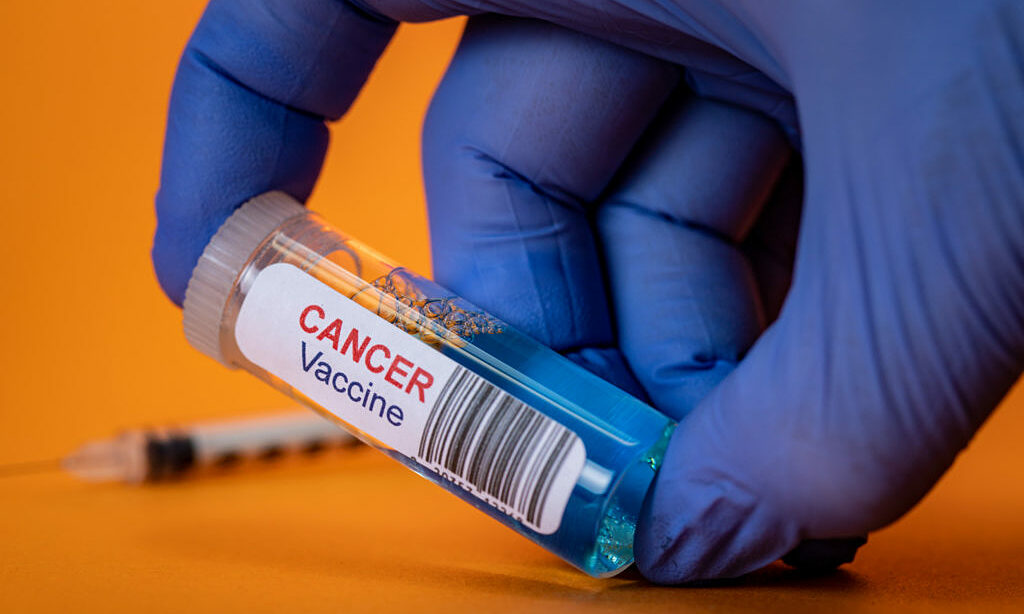
The experimental cancer treatment vaccine, Neooncovac. Photo: Russia's Ministry of Health |
The Gamaleya Center's director explained that researchers analyzed the gene set taken from the patient's tumor and non-tumor tissue, subsequently creating a personalized vaccine designed to train the immune system to attack cancer cells.
According to Andrey Kaprin, head of the National Medical Research Center of Radiology under Russia's Ministry of Health, this method represents a new treatment approach. "This is an entirely different approach, 'training' the immune system to precisely recognize and destroy the cells that pose a threat", he told TASS.
The patient will receive 8-9 doses of the drug, with each dose administered two to three weeks apart, and the patient's immune response will be recorded after each injection. Results are expected after three months of treatment.
Previously, the Gamaleya Center conducted preclinical trials of Neooncovac on animals, which showed tumors disappeared in many cases, while metastasis showed a positive response in about 90% of trials.
Last year, Russia's Ministry of Health approved two cancer treatment drugs: Neooncovac, an mRNA-based vaccine for late-stage melanoma, and Oncopept, a peptide-based drug targeting malignant colorectal tumors. Both are scheduled to begin pilot human clinical trials in 2025.
Russia's Minister of Health stated that Neooncovac is in the final stages of being provided free of charge under the country's health insurance system.
In addition to Neooncovac, the Gamaleya Center is currently researching drugs for other cancer patients, including those with pancreatic cancer, kidney cancer, and non-small cell lung cancer — one of the deadliest types of cancer worldwide.