Minh arrived at Tam Anh General Hospital in Ho Chi Minh City complaining of severe epigastric pain radiating to her back, a mild fever, and vomiting. Tests revealed her blood sugar was six times higher than normal, and her blood potassium level was 2,2 mmol/l (normal range is approximately 3,5-5,1 mmol/l). Doctors diagnosed her with ketoacidosis (acid buildup in the blood) and acute pancreatitis.
Doctor Tran Nguyen Quynh Tram, Deputy Head of the Department of Endocrinology and Diabetes, explained that Minh's failure to take her diabetes medication as prescribed led to insufficient insulin production by her pancreas and prolonged high blood sugar. This forced her body to break down fats for energy, resulting in acid accumulation and ketoacidosis. Additionally, high blood sugar increased blood triglycerides, a direct cause of acute pancreatitis. This condition often progresses silently but can flare up severely when combined with high blood sugar and ketoacidosis. Long-standing diabetes also damages blood vessels supplying the pancreas, causing oxygen deficiency, premature activation of digestive enzymes, and subsequently leading to widespread pancreatitis, reduced insulin secretion, and difficulty in blood sugar control.
 |
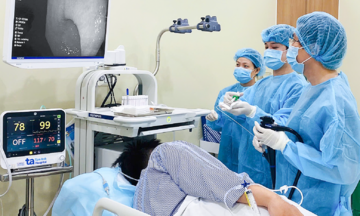
Doctor Tram advises Minh's family on diabetes patient care. Photo: Tam Anh General Hospital |
Doctor Tram advises Minh's family on diabetes patient care. Photo: Tam Anh General Hospital
Doctors prescribed insulin infusions for Minh to lower her blood sugar, control pancreatitis, reduce ketoacidosis, and supplement potassium, along with aggressive treatment. After five days, her condition stabilized, and her biochemical indices returned close to normal levels.
Warning signs of pancreatitis in diabetes patients include: severe epigastric pain radiating to the back, nausea, frequent vomiting, mild fever, fatigue, abdominal distension, diarrhea, and sudden, unexplained loss of blood sugar control.
Given Minh's advanced age and declining memory, Doctor Tram advised her family to monitor her closely. They should help her manage blood sugar, blood lipids, and blood pressure as prescribed. They must not arbitrarily stop or change her diabetes medication, pay attention to a nutritious diet, limit fats, avoid overeating, and ensure she has regular follow-up appointments to prevent dangerous complications.
Diabetes patients experiencing unusual symptoms should seek timely examination, diagnosis, and treatment at a medical facility with an Endocrinology and Diabetes specialty department.
Bach Duong
*Patient's name has been changed
| Readers can ask questions about diabetes here for doctors to answer. |