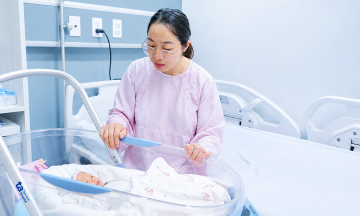
My's son, weighing 3,5 kg, was born in early July at Tam Anh General Hospital, Ho Chi Minh City.
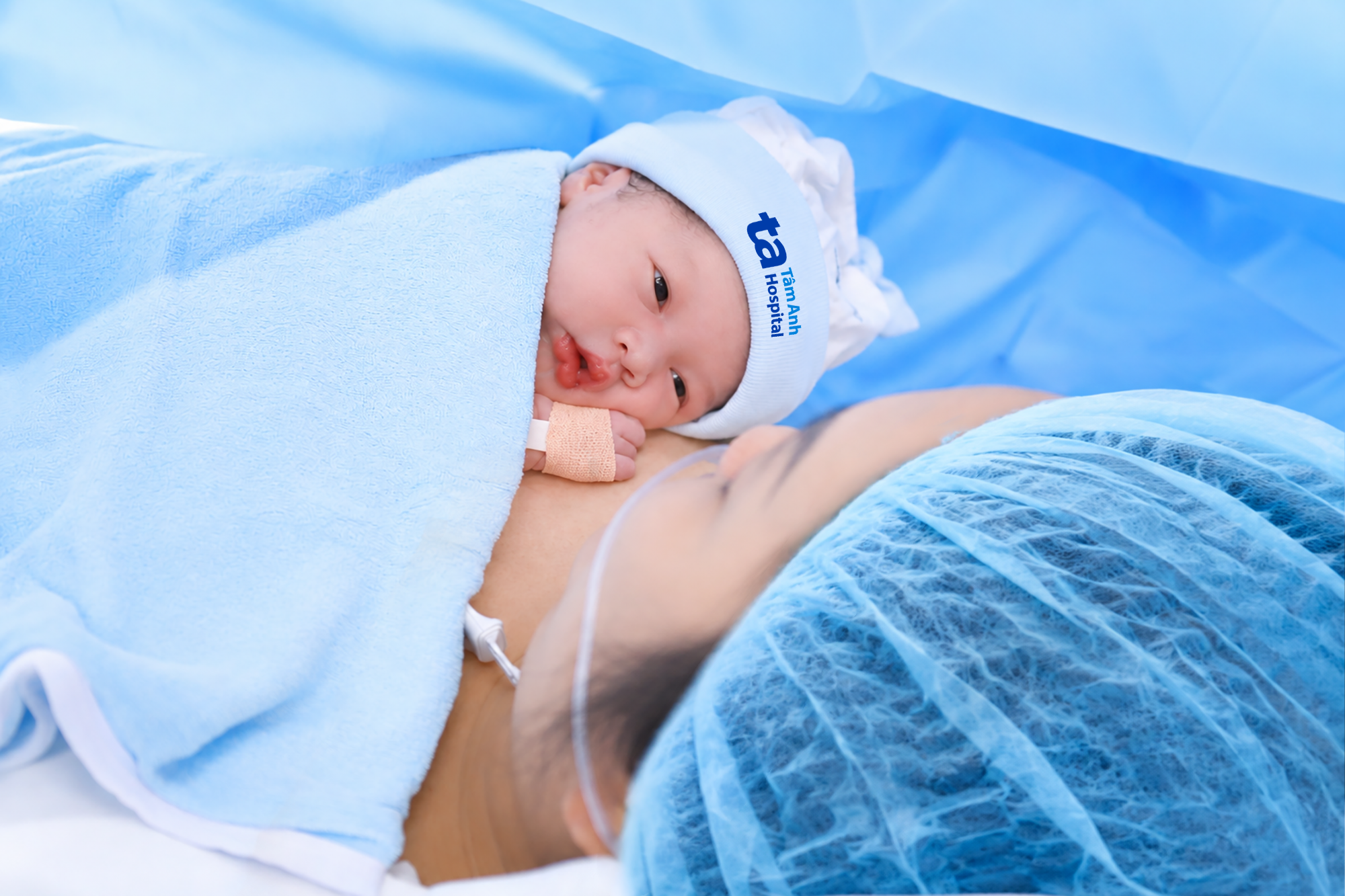 |
My's son was born in early July via in vitro fertilization. Photo: IVF Tam Anh
My and her husband began their in vitro fertilization (IVF) journey in 2021 at a hospital in Ho Chi Minh City. Their first two embryo transfers failed. During the third attempt, My conceived twins but experienced an early miscarriage. Doctors advised the couple to consider using donor eggs to increase their chances of pregnancy, but they were determined to conceive using My's own eggs.
Upon visiting the Center for Reproductive Support, Tam Anh General Hospital, Ho Chi Minh City (IVF Tam Anh Ho Chi Minh City), My's ovarian reserve was significantly reduced due to her age, with an AMH level of only 1,31 ng/mL. However, Dr. Chau Hoang Phuong Thao, Head of the Reproductive Support Unit at Tam Anh General Hospital - District 8, stated that My still had a chance to conceive with her own oocytes and did not yet need donor eggs. Doctors also diagnosed My with adenomyosis, a condition that can reduce fertility, increase the risk of failed embryo transfers, and early miscarriages.
According to Dr. Thao, for patients over 40, the risk of creating chromosomally abnormal embryos is high. Therefore, it was necessary to collect eggs early and perform preimplantation genetic testing for aneuploidy (PGT-A) on the embryos to increase the chance of successful implantation and reduce the risk of miscarriage.
Through two egg retrieval cycles, Dr. Thao collected 15 eggs, resulting in 6 day 3 embryos. These embryos were then cultured using a Time-lapse system integrated with artificial intelligence (AI) to select those with the highest implantation potential. Ultimately, My had one day 5 embryo of type 3 and one day 6 embryo of type 3, but neither embryo met the criteria for biopsy.
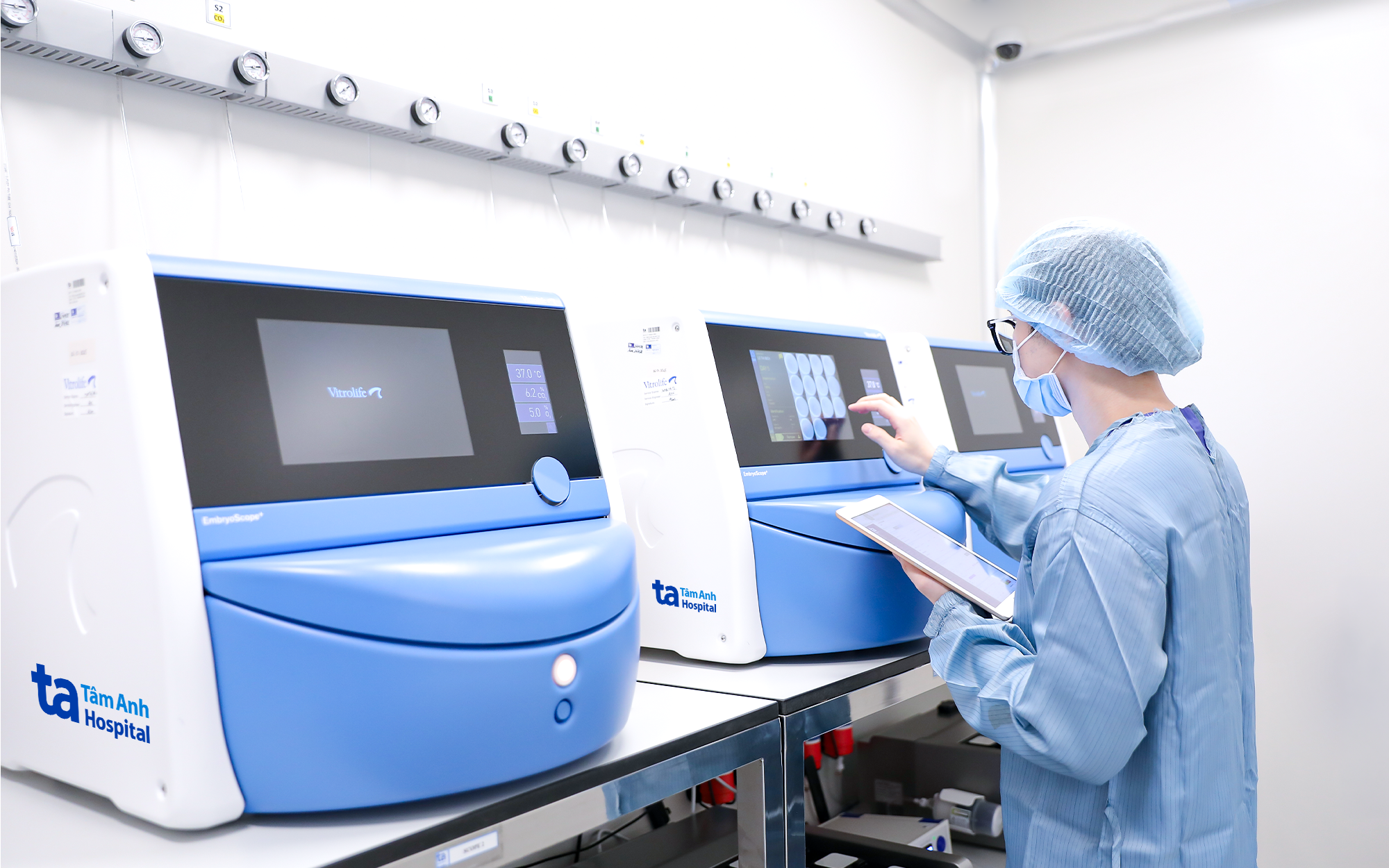 |
The ISO 5 lab is equipped with a Time-lapse embryo culture system integrated with artificial intelligence (AI). Photo: IVF Tam Anh
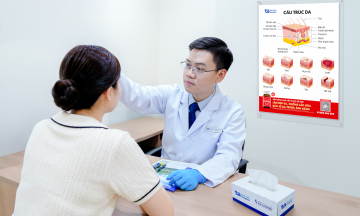
Before the embryo transfer, Dr. Thao performed a hysteroscopy and discovered My had chronic endometritis. "This was one of the important reasons for her previous failed embryo transfers," Dr. Thao explained, prescribing My a two-week course of medication to treat the inflammation.
Once the inflammation improved, Dr. Thao prepared My's uterine lining for transfer. A day 5 embryo was transferred, but it failed to implant. The couple's hopes then rested on the single day 6 embryo of type 3, which had a less favorable prognosis. Dr. Thao adjusted the endometrial preparation protocol, and this time, My conceived. In her 40th week of pregnancy, the couple welcomed their healthy baby boy.
Dr. Thao advises women over 35, or those with a history of miscarriage or multiple IVF failures, to seek early consultation for a comprehensive evaluation of the causes and to select an appropriate treatment protocol. This proactive approach helps avoid missing the "golden window" for treatment. At IVF Tam Anh, patients receive individualized protocols designed to maximize their chances of pregnancy using their own eggs and sperm. Donor egg or sperm options are only considered when the success rate is too low or when no other choices remain.
Nguyet Nhi
*Name changed to protect privacy
| The Tam Anh General Hospital system is offering the "Golden Pregnancy Blessing - Up to 10 million Vietnamese dong in support" program for infertile couples undergoing in vitro fertilization (IVF) across its system, valid until 9/7. Find more information here. |