Disc degeneration occurs when intervertebral discs gradually lose height due to wear, dehydration, or sustained pressure. It commonly causes neck and back pain, along with reduced mobility. While several factors contribute, natural aging is the primary cause. Over time, discs lose water, diminishing their elasticity and ability to absorb shock. This narrows the space between vertebrae, increasing friction during movement and leading to pain and stiffness in the spine.
Doctor Nguyen Hoang Thi, from the Spine Surgery Department at Tam Anh General Hospital Ho Chi Minh City, notes that early-stage disc degeneration often develops subtly with mild, fleeting pain, making it easily missed. As the condition progresses, pain becomes more distinct, usually in the neck or lower back. This pain worsens with changes in posture, bending, twisting, or lifting heavy loads, and eases with rest. Some individuals may also experience numbness radiating into their arms or legs, muscle weakness, and restricted movement.
As the condition worsens, further disc height loss increases pressure on surrounding structures: facet joints, ligaments, and nerve roots. This can lead to chronic pain, spinal deformities, and a higher risk of herniated discs, bone spurs, or spinal stenosis. Compression of nerve roots or the spinal cord can result in numbness, limb weakness, motor dysfunction, and in severe cases, bowel or bladder dysfunction or even paralysis.
When detected early, as discs begin to degenerate and lose minimal height, conservative treatments like medication and physical therapy can effectively manage the condition. These approaches reduce pain, enhance circulation, strengthen spinal support muscles, and slow degenerative progression.
 |
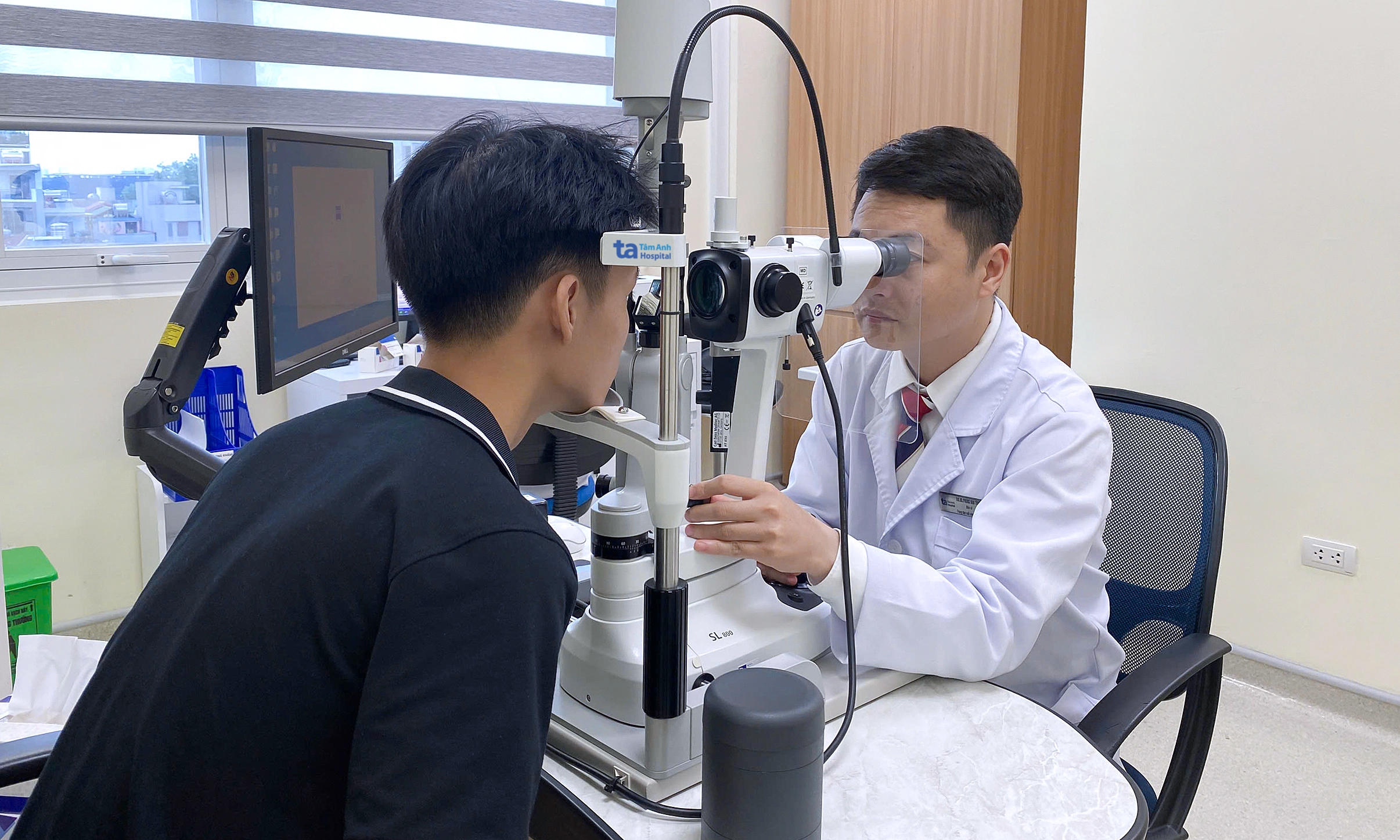
Doctor Thi assesses the patient's spinal function. *Photo: Tam Anh General Hospital*
For severe cases, when conservative treatments prove ineffective, intervention or surgery may be necessary. Doctors select specific methods such as spinal endoscopy, minimally invasive surgery, percutaneous screw fixation, or nerve block injections, depending on the patient's condition. Post-treatment, patients typically engage in rehabilitation and physical therapy to alleviate pain, enhance mobility, and expedite recovery.
Advances in surgical techniques and modern equipment have significantly improved the accuracy and safety of spinal surgery. Tools like microsurgical microscopes, navigation systems, and intraoperative neuromonitoring reduce complication risks and shorten recovery times. Many patients can walk within one to two days and are discharged promptly.
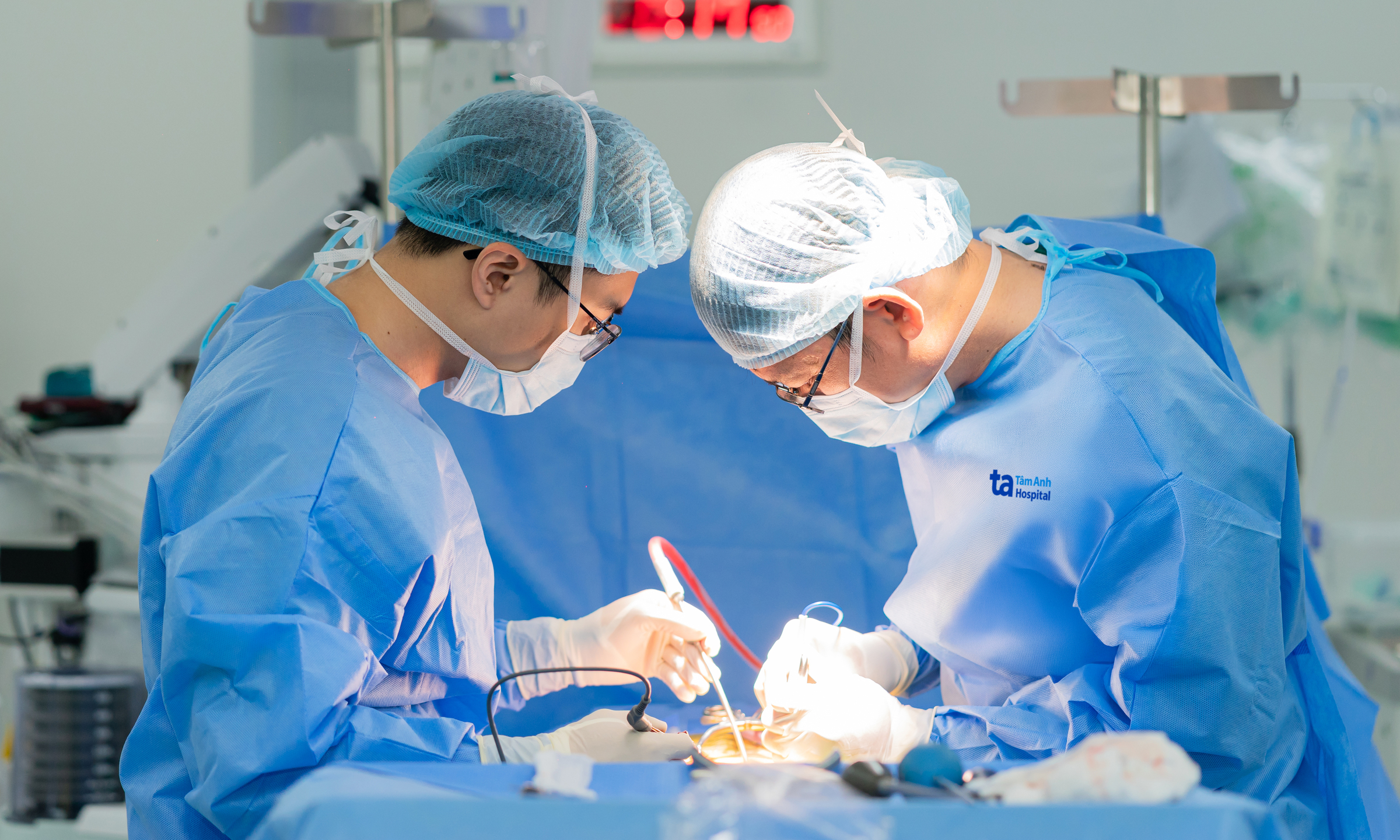 |
Minimally invasive spinal surgery aids rapid patient recovery. *Photo: Tam Anh General Hospital*
Doctor Thi emphasizes that disc degeneration is not limited to older adults; it is increasingly prevalent among younger individuals. This rise is attributed to habits such as prolonged sitting, sedentary lifestyles, poor posture, or strenuous physical work. Therefore, anyone experiencing abnormal spinal symptoms should seek early medical evaluation for proper diagnosis and treatment, preventing long-term complications that can impact their quality of life.
Phi Hong