Children need regular physical activity for muscle, bone, and motor coordination development. However, daily lifestyle habits can limit the time children spend on physical activities.
Prolonged use of electronic devices by children
According to Parents, watching videos, playing games, or browsing the internet often leads children to sit or lie down instead of running, jumping, and playing. If left unchecked, electronic devices can gradually replace activities essential for physical development. Parents should set age-appropriate time limits and encourage children to stand up, walk around, and move after extended periods of sitting.
Children sitting for many hours daily for study
Children need daily study time, but a packed schedule and prolonged sitting can limit their physical activity. Parents should arrange a reasonable balance between study and breaks, preventing children from sitting for many consecutive hours. After each study period, children can stand up, walk around, stretch, or perform some light exercises.
Parents should also dedicate a fixed time each day for children to run, cycle, play ball, or participate in age-appropriate sports.
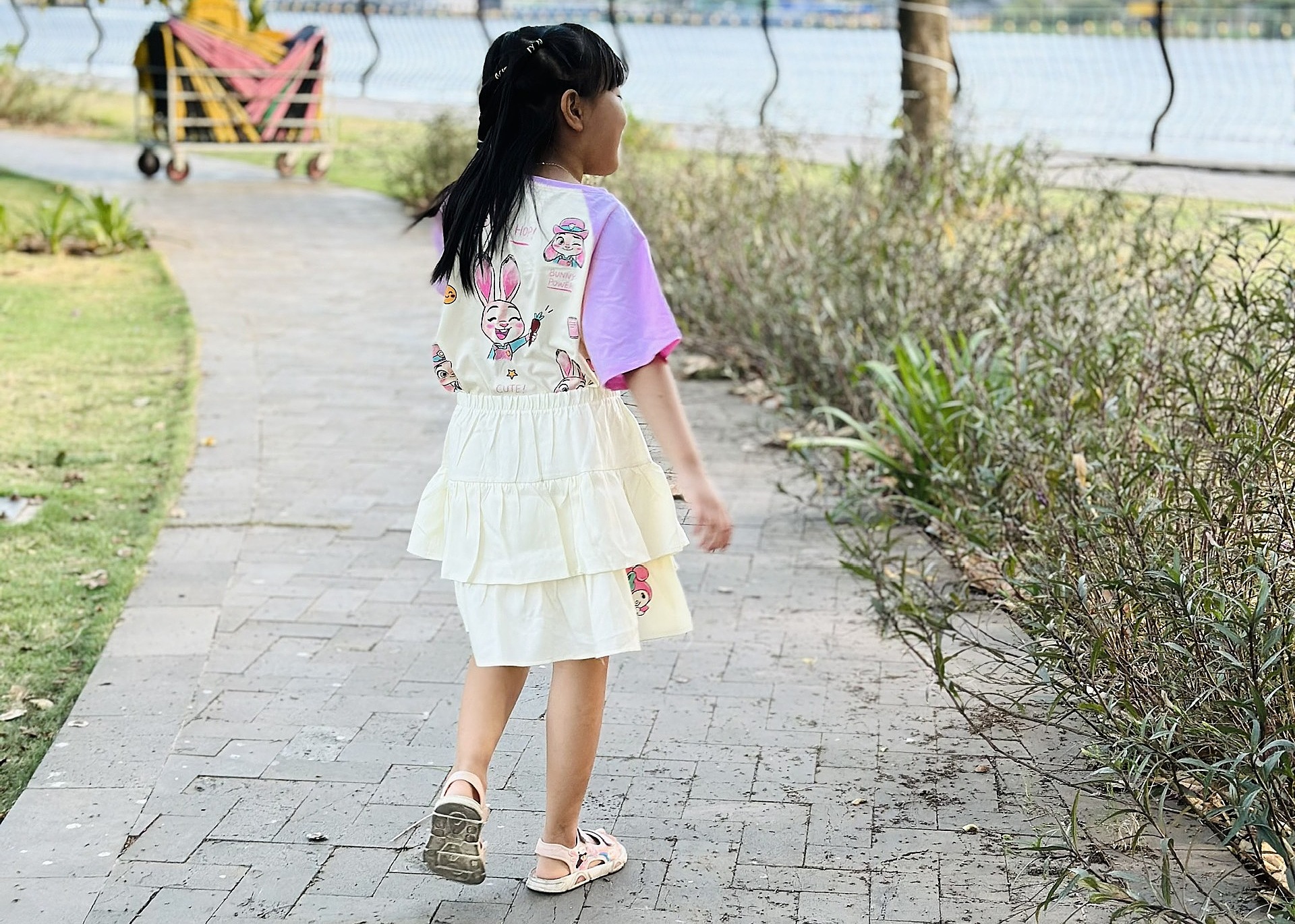 |
Children playing and exercising outdoors is good for health. *Kim Uyen* |
Children dedicating all free time to sedentary activities
According to Times of India, reading, drawing, puzzles, and playing with toys are suitable activities for children. However, if most free time is spent solely on these, children have fewer opportunities for physical activity. Parents should arrange time wisely, alternating sedentary activities with those requiring movement, such as walking, cycling, playing ball, or outdoor play.
Families with inactive habits
Children easily develop inactive habits if family members also spend most of their free time sitting, watching television, or using phones. Conversely, when parents are regularly active, children have the opportunity to participate and form positive daily habits.
Parents can walk, cycle, play ball with their children, or visit parks at appropriate times. There's no need for prolonged workouts; simple, regular activities still help children get more physical activity daily.
Each child has different preferences and physical abilities, so parents should not force them into a single sport. They can let children try various forms like swimming, cycling, soccer, badminton, running, or jumping rope, then encourage them to choose their favorite activity.
*Le Nguyen* (compiled)
| Readers can submit questions about childhood illnesses here to receive answers from doctors. |