On 18/9, doctor Nguyen Tien Thanh, a member of the Vietnam Dermatology Society, reported that the patient initially had only a few tiny pimples. Eager to regain her appearance before the new school year began, the girl sought a quick intervention at a beauty facility. Staff there advised and performed a series of invasive procedures combined with the application of multiple strong active ingredients simultaneously. As a result, the student’s facial skin experienced severe inflammation, swelling and deformation resembling bee stings.
Doctor Thanh also treated a 20-year-old student who experienced a similar incident. Noticing scattered acne on her forehead and cheeks after the summer holiday, the girl visited a nearby spa for acne extraction combined with a treatment promising "instant acne clear". In the first few days, her epidermis felt dry, irritated, and peeled in patches, leading her to mistakenly believe her skin was regenerating.
A few days later, the burning sensation spread, both cheeks turned intensely red, and dense pustules appeared all over her face. Panicked as the school start date approached, she self-medicated with an additional restorative cream, but her condition worsened critically. Upon arrival at the hospital, the outermost natural protective barrier of her skin was severely damaged, and inflammatory lesions had spread widely.
According to doctor Thanh, these two cases represent a significant surge in students admitted to dermatology clinics in recent weeks. The common factor among these patients is the desire for a rapid transformation in just three to five days, making them susceptible to advertisements promising "bio-skin regeneration" or "acne-free after one treatment".
Acne is a chronic condition that requires treatment protocols spanning weeks to months. Beauty facilities performing aggressive acne extractions, chemical peels with incorrect concentrations, or overwhelming the skin with too many strong active ingredients will completely destroy the epidermal barrier. Not only does the skin fail to clear acne, but it also faces risks of chemical burns, severe irritant dermatitis, resulting in pitted scars and permanent hyperpigmentation. More concerning, the use of unregulated products containing hidden toxic ingredients may provide false symptomatic relief in the initial days, but subsequently lead the skin into a cycle of severe complications.
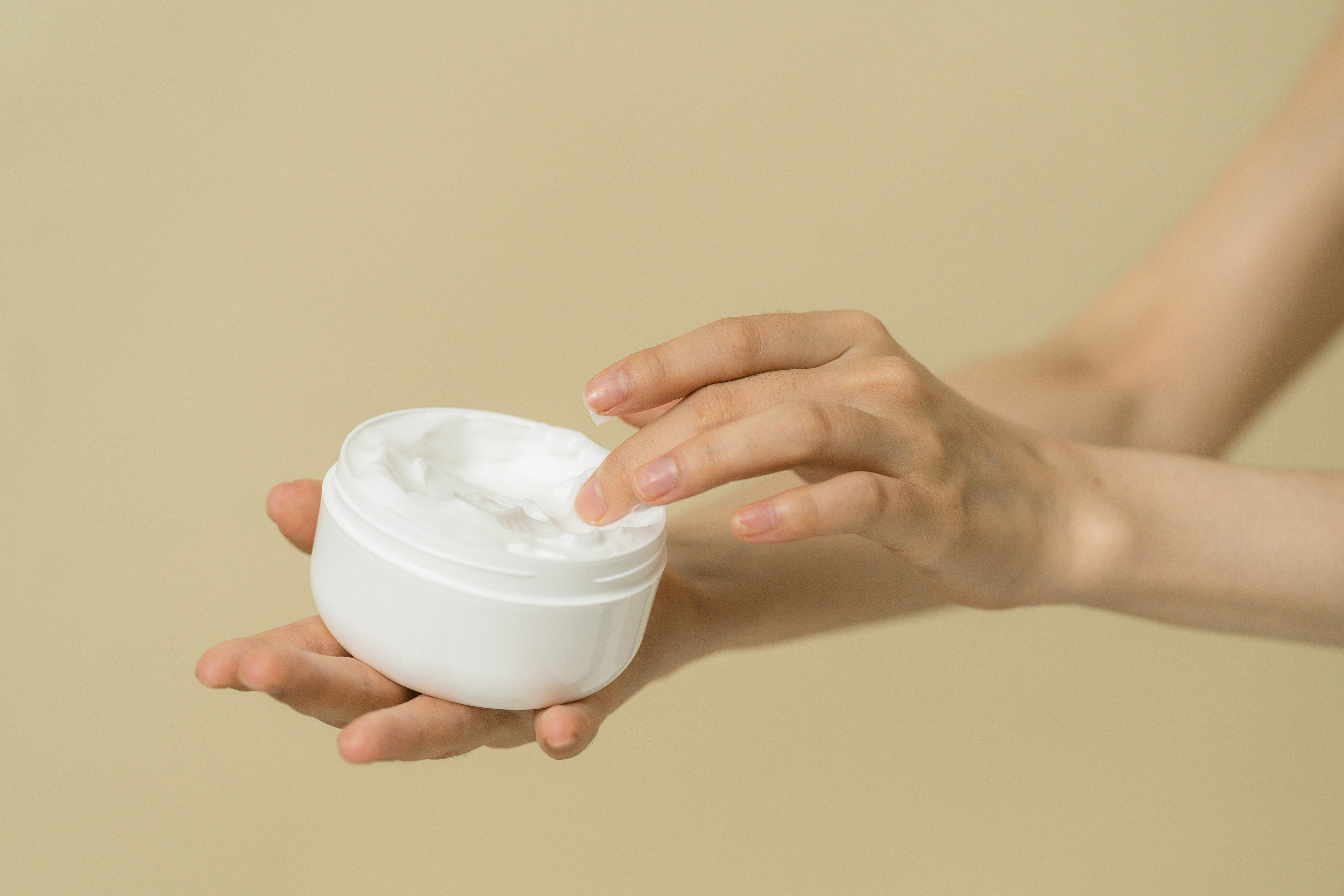
If signs of unusual redness, swelling, or burning pain appear after a beauty intervention, patients must absolutely not self-apply additional creams labeled as "skin emergency" to avoid overlapping interventions that could worsen the damage. Students need to maintain a gentle skin cleansing routine, abandon the habit of self-picking or squeezing, and immediately visit a specialized dermatology medical facility for proper intervention when inflammatory lesions persist.
Thuy Quynh