 |
Honey
Honey, while not a starchy food, contains about 80% carbohydrates, primarily glucose and fructose. A single tablespoon of honey offers over 17 g of carbohydrates and natural sugars, which can elevate blood sugar levels after eating, according to Eating Well. Diabetics should limit their consumption.
 |
Flavored yogurt
Yogurt offers protein, calcium, and beneficial probiotics for health and digestion. However, flavored varieties often contain significant sugar. For example, a single serving of strawberry, orange, or other fruit-flavored yogurt can contain nearly 24 g of carbohydrates and about 10 g of sugar. Overconsumption can lead to blood sugar spikes.
 |
Salad dressings
Industrial cream or mayonnaise-based dressings often contain high levels of saturated fat and calories. Some fruit-based dressings can also be high in sugar, increasing the carbohydrate content of a meal. While salads are inherently rich in vegetables, using too much sugary dressing can lead to an increase in post-meal blood sugar.
Verywell Health advises consumers to carefully read nutrition labels when selecting salad dressings. Sweet dressings can be replaced with a squeeze of lemon juice or a drizzle of extra virgin olive oil.
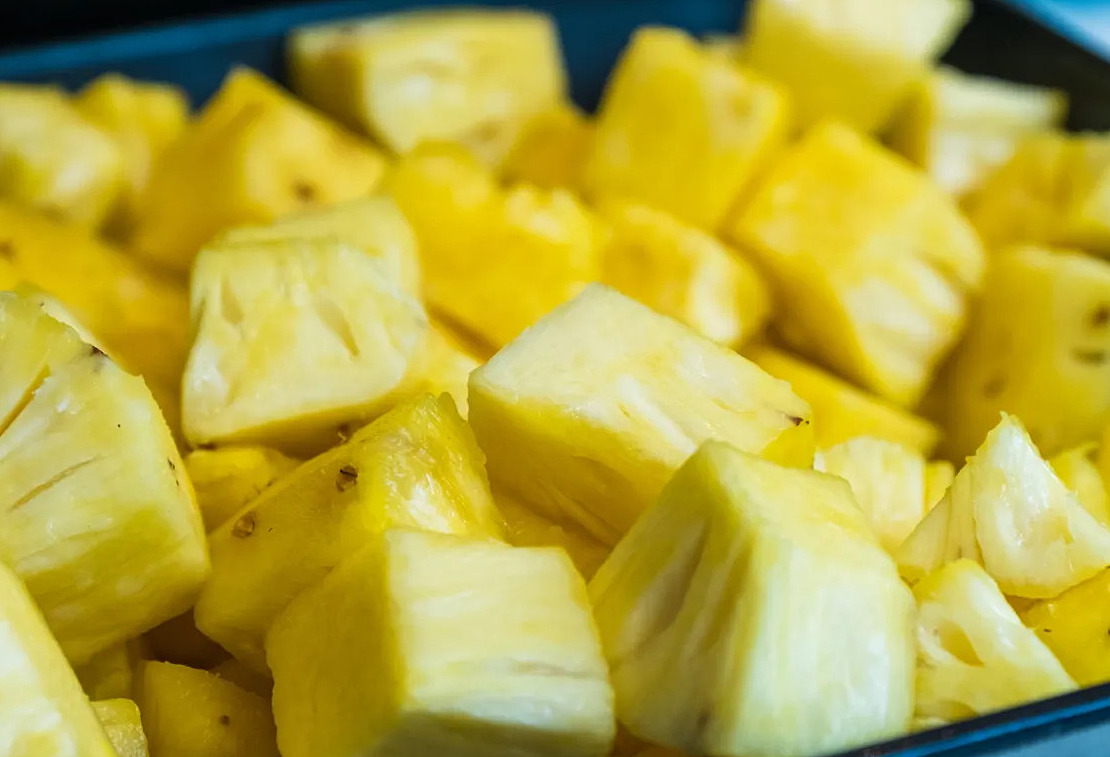 |
Pineapple
Pineapple, though not starchy, contains a relatively high amount of natural sugar. One cup (approximately 125 g) of diced pineapple provides about 22 g of carbohydrates, including 16 g of natural sugar and 2 g of fiber. Diabetics should manage their intake of pineapple and pineapple-based foods to control carbohydrate and sugar levels in their diet.
Anh Chi (Compiled)
Photos: Anh Chi, AI