Seeing a few mold spots on a slice of bread or an orange, many people instinctively cut off the spoiled part and continue eating it, out of a reluctance to waste food. This seemingly thrifty habit, however, directly introduces toxins into the body.
According to nutritionist Yang Sihan from Taiwan, China, mold spots visible to the naked eye are merely "the tip of the iceberg". Beneath the surface, an invisible network of fungal threads can have already deeply penetrated and spread throughout the food item long before the mold becomes apparent.
The dangers of cutting off mold
Many believe that mold is confined only to discolored areas, and that cutting a little deeper makes the food safe. Expert Yang Sihan warns that this is completely mistaken, especially for foods rich in moisture or with soft, porous textures:
Bread, pastries, cooked foods, fruit jams, soft fruits: These items contain high water content and porous structures, creating ideal conditions for fungal threads (hyphae) to quickly penetrate deep into the core, often imperceptible to the naked eye.
Safety rule: If even a small mold spot appears on the surface, the entire soft food item must be discarded completely; never cut off the mold and continue eating.
Does boiling or reheating eliminate toxins?
Another harmful misconception is that "boiling or thorough cooking kills all pathogens."
Yang Sihan explains: normal cooking temperatures can kill living mold organisms, but they cannot destroy the toxins molds produce. Common mold toxins like Aflatoxin and Ochratoxin are extremely heat-stable; boiling, steaming, or baking in a home kitchen is unlikely to neutralize them.
Long-term accumulation of Aflatoxin in the body directly poisons the liver, increasing metabolic burden and the risk of chronic liver damage. Therefore, boiling or frying moldy food only provides a false sense of security and does not eliminate the risk of poisoning.
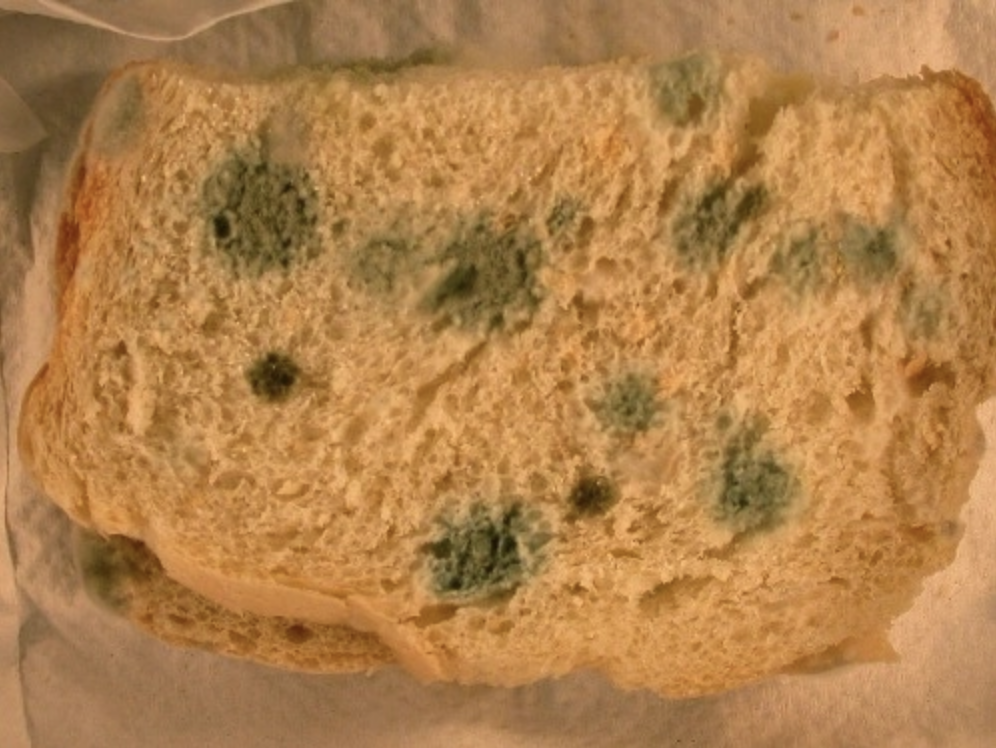 |
Mold on bread. Photo: Flickr/Manchester Metropolitan University |
A refrigerator is not a "time machine"
Many families assume that storing food in the refrigerator is completely safe. In reality, cold temperatures only slow down the growth rate of mold spores; they do not kill them.
Canned goods, once opened, can still develop mold after some time, even when refrigerated. Mold often hides subtly in inconspicuous places, such as along the glass jar's sides or in the screw threads around bottle caps.
5 golden rules for dealing with mold in the kitchen
Yang Sihan emphasizes that true food saving involves managing purchasing and storage to prevent food from spoiling, rather than attempting to consume spoiled items.
Buy small quantities of dry goods: Cereals and nuts should only be purchased in amounts sufficient for short-term use, avoiding large stockpiles during humid seasons.
Seal immediately after opening: Tightly close container lids, seal bags, or vacuum pack; store in a dry, airy place, away from humid and heat-emitting areas like gas stoves and sinks.
Inspect thoroughly before cooking: Carefully check frozen foods or long-stored items for discoloration, musty odors, or unusual spots in jar lid crevices.
Discard moldy food resolutely: Soft foods, pastries, and fruits that have developed mold should be thrown away immediately; do not lament the waste or attempt to scrape off the surface.
Maintain a clean living space: Thoroughly address damp cabinet corners and peeling walls with mold to prevent mold spores from spreading in the air and adhering to food.
If you have recently experienced unexplained digestive issues, review the jars of nuts, spices, and dried goods that have been stored in your kitchen for a long time. Do not sacrifice your liver's health for the sake of a small piece of cake or fruit.
My Y (According to HK01)