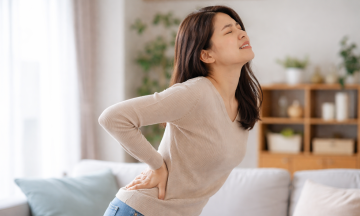
For her, this is essential fuel to spark creativity. However, the cost of half a year of this "energy boost" is now evident: her skin has darkened, severe acne has erupted around her chin, and her waistline has expanded by 5 cm, making her old suits feel tight.
Similarly, Quoc Trung, 28, a programmer, also relies on bubble tea to power through dense lines of code. Trung's sugar cravings are so intense that without it, he becomes restless, experiences slight hand tremors, and loses focus. Despite playing soccer weekly, a recent health check-up shocked Trung: his blood sugar levels had reached pre-diabetic thresholds.
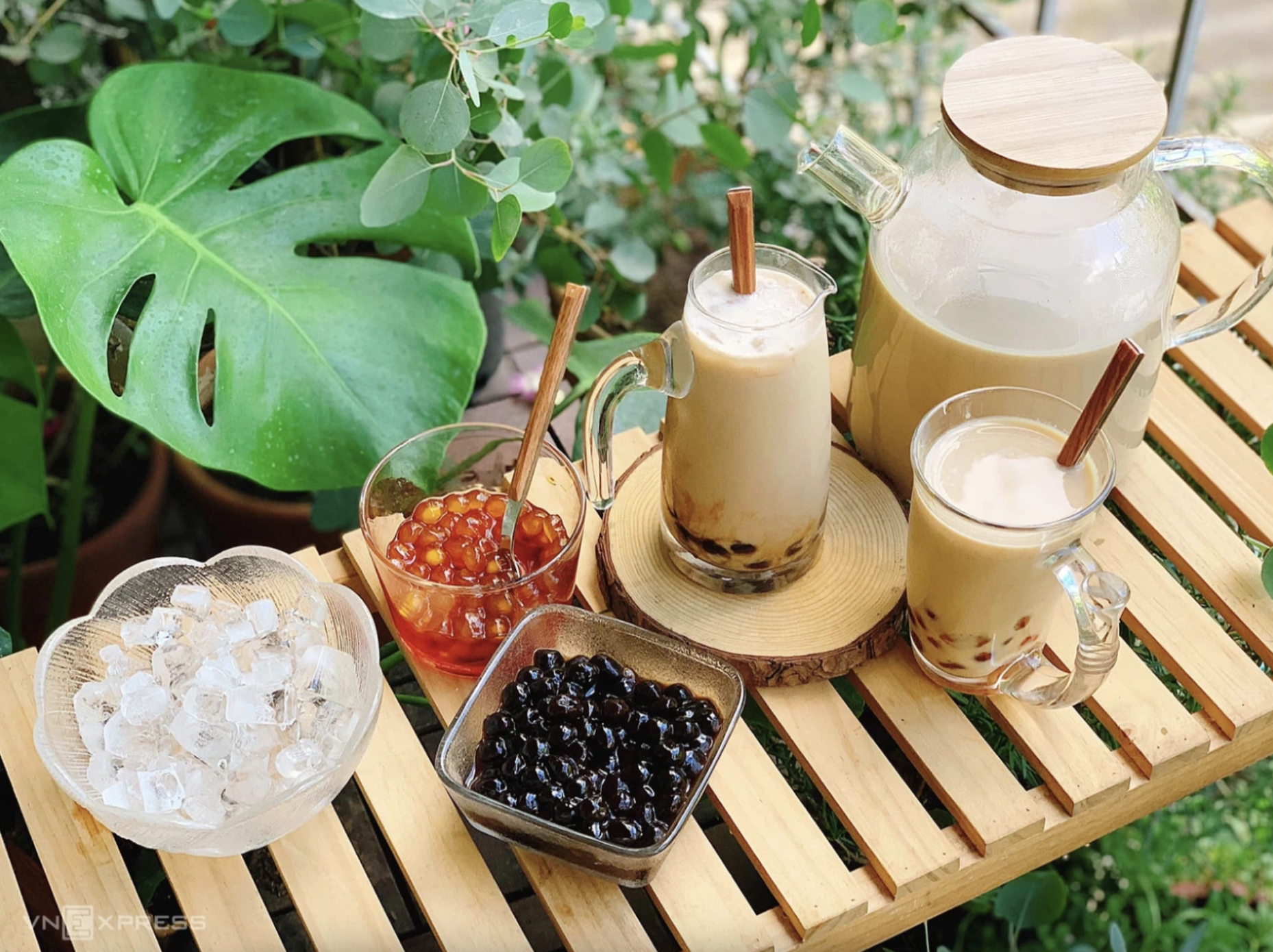 |
Bubble tea is a favorite drink among young people, especially office workers. Photo: Hue Chip
Minh Anh and Quoc Trung represent a generation of office workers falling into the "sweet trap" of bubble tea – a seemingly harmless habit that is silently undermining public health. Doctor Phan Thai Tan, a health coach, states that afternoon bubble tea cravings are not merely a lack of willpower, but a result of biological reflexes combined with risky behavioral habits.
The root cause often begins with lunch. Most office workers' lunch menus contain fast-absorbing carbohydrates, such as white rice, vermicelli, or pho. Blood sugar levels spike after eating, then plummet sharply between 2 PM and 3 PM. This sudden drop, combined with natural circadian rhythms and work pressure, signals the brain for an immediate dopamine boost from sugar.
However, responding to this call with bubble tea is a costly mistake. A "full topping" bubble tea can contain up to 1,000 kcal – equivalent to two main meals – but these are empty calories. The primary ingredients include refined sugar, transfat-rich creamer harmful to cardiovascular health, artificial colors, and especially high-fructose corn syrup (HFCS), an industrial sweetener more detrimental than regular cane sugar. A 2019 Harvard University study showed that individuals consuming over 355 ml of sugary drinks daily had a 21% higher risk of premature death compared to those who drank less than one glass per month.
Consuming a large amount of liquid sugar at this time creates a high blood sugar peak, providing immediate alertness. However, this is quickly followed by an uncontrolled drop, causing insulin to overwork. Over time, this leads to insulin resistance – the foundation for abdominal obesity and fatty liver, according to the American Diabetes Association. Another study published in the journal Metabolism in 2015 indicated that HFCS increases blood fats and fatty liver more rapidly than cane sugar.
More concerningly, this habit creates a "vicious metabolic cycle" where caffeine and sugar consumed after 2 PM disrupt sleep, leading to fatigue the next morning and a continued craving for sweets to compensate. In the long run, taste buds become "trained" to prefer intensely sweet and fatty flavors, making natural foods seem bland and making a return to a healthy lifestyle extremely difficult.
 |
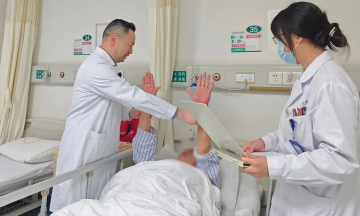
Doctor Tan advises a patient. Photo: Doctor provided
To escape this trap, Doctor Tan emphasizes that instead of absolute prohibition, which only intensifies cravings, individuals should make smart choices starting with lunch. Prioritizing slow-absorbing carbohydrates like brown rice, potatoes, or beans, combined with protein and plenty of green vegetables, helps maintain stable blood sugar. This prevents the "free fall" in energy levels in the afternoon.
Concurrently, an active lifestyle, including regularly standing up and moving around, and taking periodic mental breaks, helps stabilize mood without needing dopamine from sugar.
Doctor Tan advises that when afternoon "snack attacks" strike, opt for warm herbal teas like ginger, cinnamon, chamomile, or diluted unsweetened green tea for gentle alertness, instead of bubble tea. If a snack is truly needed, choose "real" foods containing protein or good fats, such as one boiled egg, a handful of dry roasted nuts, unsweetened yogurt, or low-sugar fruits like apples or guavas.
Even at the peak of a sugar craving, you can still use unsweetened yogurt combined with honey or naturally ripe fruit to satisfy your taste buds appropriately and at the right time, rather than entrusting your health to risky bubble tea.
My Y