Uyen presented with a fever of 38,5 degrees C, rapid breathing, reduced blood oxygen, and blood pressure at 77/37 mmHg. Doctor Nguyen Hoang Anh Duy, from the General Internal Medicine Department at Tam Anh General Hospital, Ho Chi Minh City, identified these as typical signs of septic shock. The patient received fluids, vasopressors to raise blood pressure, antibiotics, and intensive treatment in the Intensive Care Unit (ICU).
Blood culture results confirmed the patient had sepsis due to salmonella. This common bacterium causes food poisoning and is often found in ready-to-eat foods, improperly stored foods, or those affected by cross-contamination. Doctors suspected the infection stemmed from brown rice Uyen had eaten, which was left overnight in the refrigerator and not thoroughly reheated. Her family members did not consume this specific rice, so they did not experience similar symptoms.
Uyen has suffered from rheumatoid arthritis for many years and uses immunosuppressants long-term, which doctors believe weakened her immune system. Doctor Duy explained that while most salmonella infections only cause digestive upset, in elderly individuals, those with underlying conditions, or those using immunosuppressants, the bacteria can enter the bloodstream, leading to sepsis and multi-organ failure.
After several days of antibiotic treatment, fluid administration, respiratory support, and managing her underlying conditions, Uyen's health gradually improved, and she was discharged.
 |
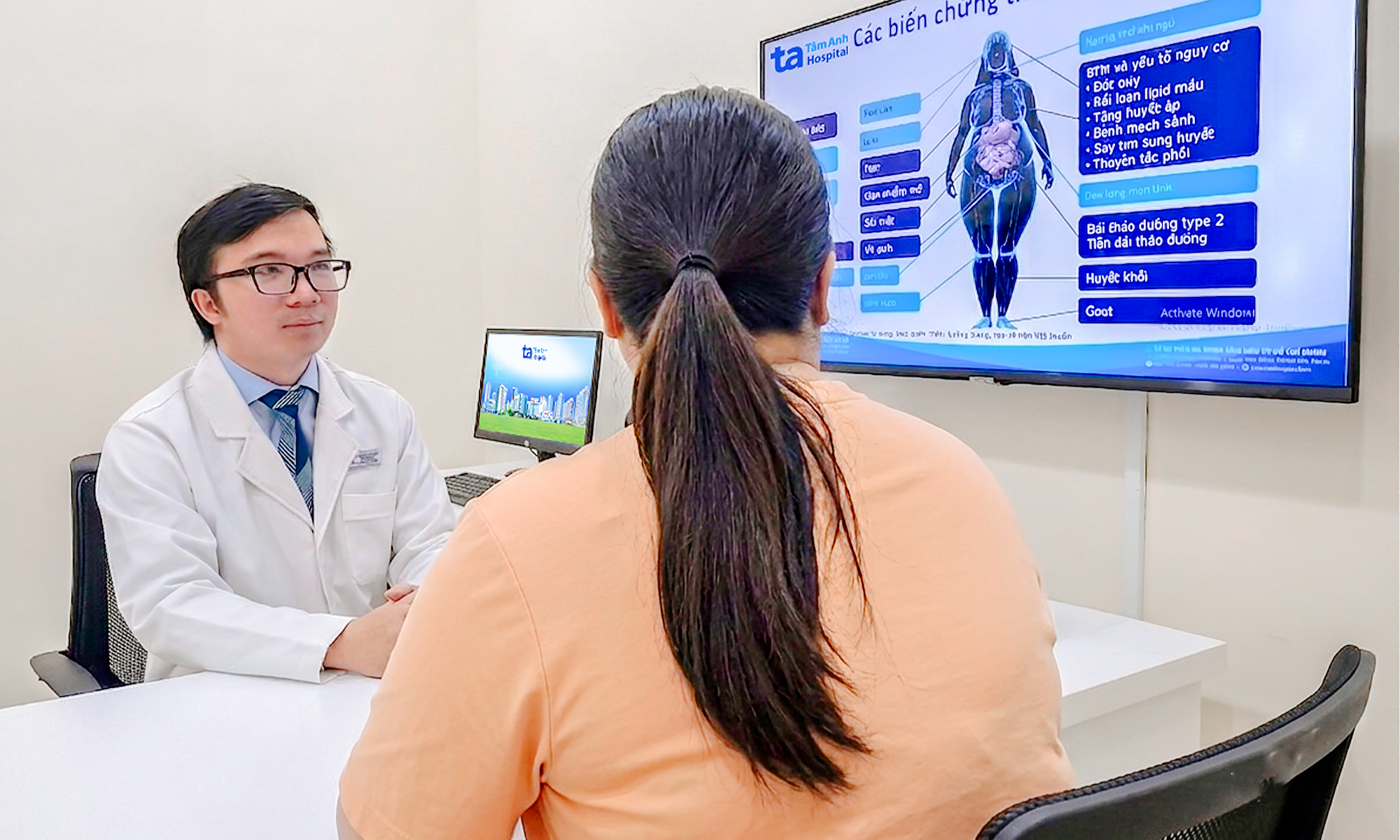
Doctor Duy examines and advises Uyen before her discharge. *Photo: Tam Anh General Hospital*
Doctor Duy advises that after cooking, food should be stored at the correct temperature and not left out too long in the external environment before refrigeration. Refrigerated food must be thoroughly reheated before consumption to reduce the risk of infection.
Elderly individuals with chronic diseases like diabetes, autoimmune diseases, cardiovascular conditions, or compromised immunity should manage their underlying conditions well through regular check-ups and correct medication. If symptoms such as prolonged vomiting, abdominal pain, diarrhea, fever, extreme fatigue, or low blood pressure appear, patients should seek hospital care early for timely treatment.
Nhat Thanh