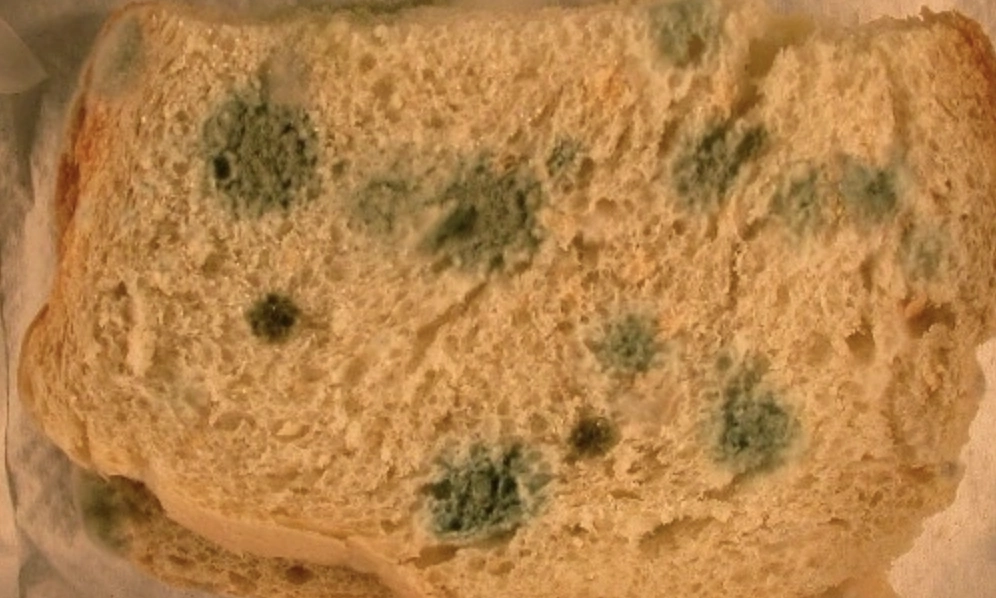
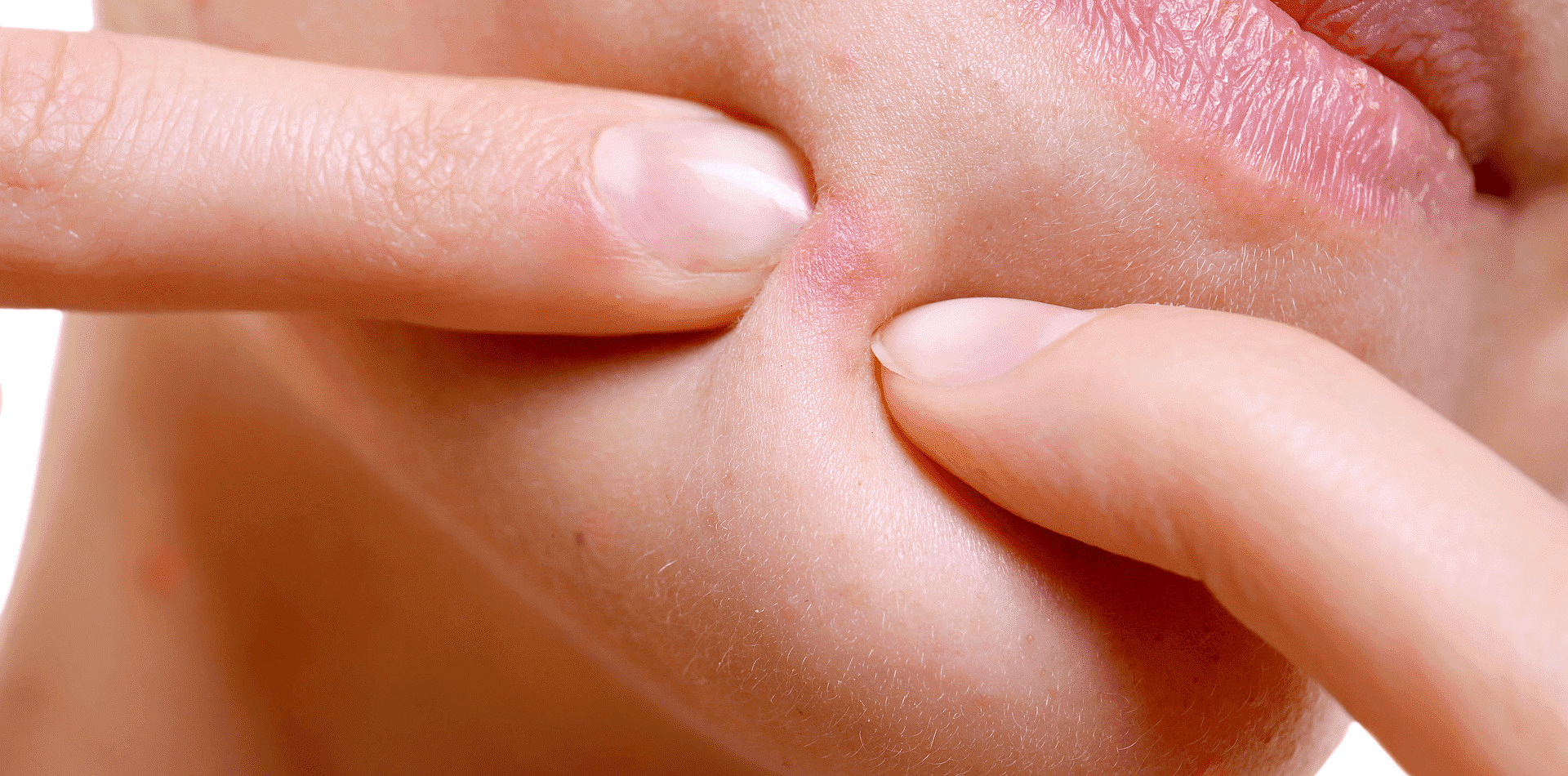
Tetanus bacteria are prevalent in mud, soil, dust, contaminated water, and animal feces. They can easily enter the body through open wounds, even minor ones, especially if the wound is dirty or necrotic. This poses a significant risk for children engaging in activities like wading in mud and catching fish, particularly if they have existing cuts or scrapes.
Children with foot wounds who wade in mud are vulnerable to bacterial entry. Moreover, while catching fish, they might sustain scratches from scales or sharp fins, creating additional entry points for bacteria. A recent case highlighted this danger: a 56-year-old man in Hai Duong was hospitalized with lockjaw, difficulty swallowing, and increased muscle tone after contracting tetanus from wading through dirty water.
Parents should thoroughly clean any wounds under running water with soap, then disinfect with alcohol or iodine. Afterward, take the child to a medical facility for a doctor's assessment, who will determine if a tetanus vaccine or tetanus antitoxin is necessary. During summer camp, children should avoid wading in mud and catching fish. They also require proper guidance and supervision to ensure their safety.
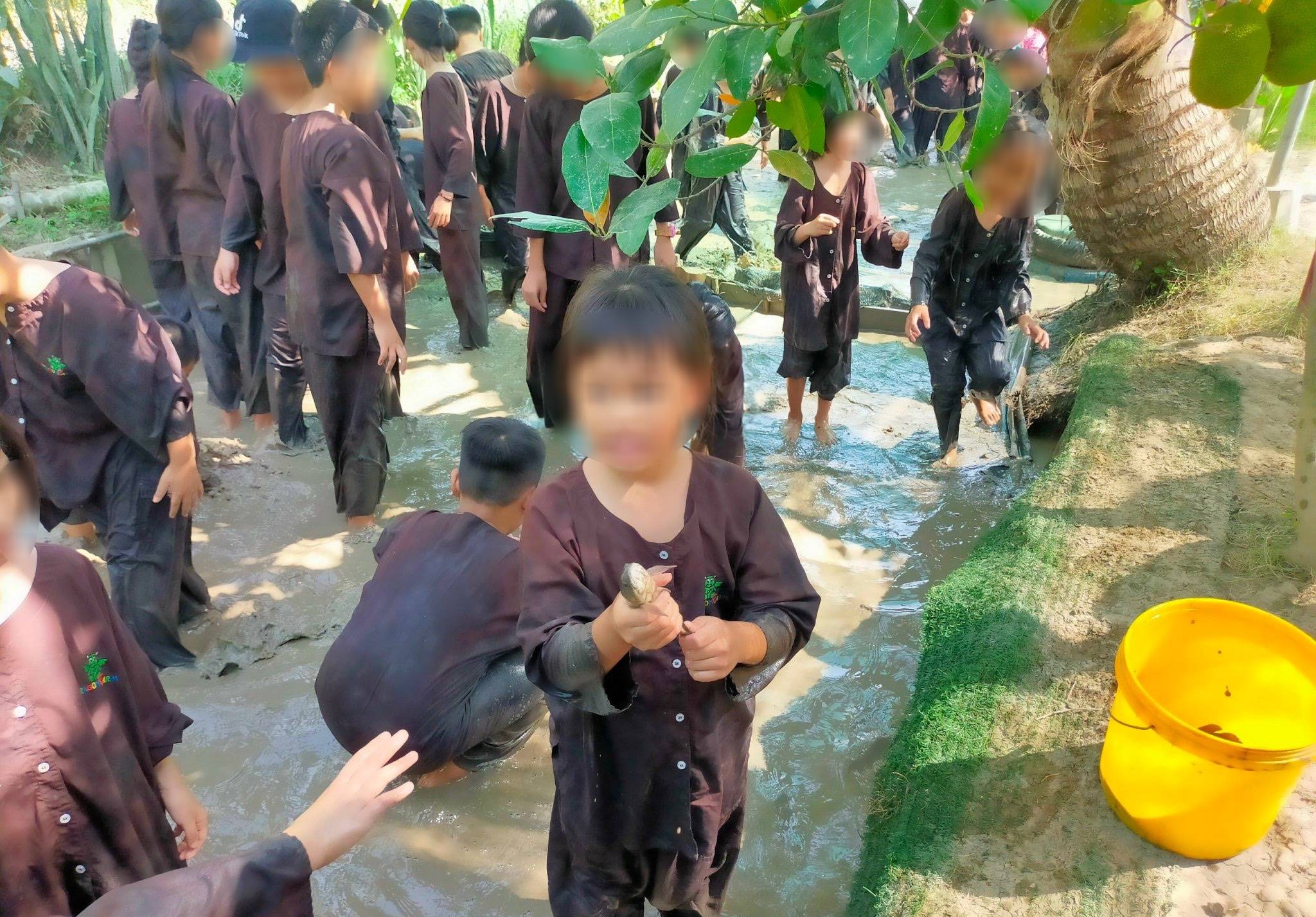 |
Children wading in mud and catching fish during an outdoor activity. Photo: Dieu Thuan |
Tetanus is an acute infectious disease with a high mortality rate, ranging from 25% to 90% if not treated correctly and promptly. The cost of treating a severe tetanus case requiring mechanical ventilation, prolonged sedation, and intensive care can amount to hundreds of millions of Vietnamese dong. After discharge, patients may face lasting sequelae, becoming a burden on their families and society.
Fortunately, tetanus is preventable through vaccination, which is up to 95% effective. Therefore, individuals with open wounds should seek medical attention to receive the preventative vaccine as soon as possible.
Vietnam currently offers both standalone tetanus vaccines and various combination vaccines, such as 6-in-1, 4-in-1, 3-in-1, and 2-in-1. Children should receive the 6-in-1 vaccine, which includes tetanus, starting from two months of age (or as early as six weeks). Subsequently, a booster shot of the 4-in-1 vaccine, protecting against diphtheria, pertussis, tetanus, and polio, is recommended during the preschool period, between four and six years old. Since vaccine antibodies diminish over time, children need booster shots once every 10 years. For children with an unclear vaccination history, parents should consult a doctor.
Infants under two months of age who have not yet been vaccinated receive protective antibodies from their mothers. Therefore, pregnant women are advised to get a tetanus vaccine or a combination vaccine that prevents diphtheria, pertussis, and tetanus. If a child has been fully vaccinated proactively, they will only require a single booster shot upon sustaining a wound, without the need for tetanus antitoxin or tetanus immunoglobulin (TIG). However, if a child is unvaccinated and has an open wound, the wound should be treated, and a vaccine administered as soon as possible.
Doctor Bui Cong Su
Medical Manager, VNVC Vaccination System
Readers can submit vaccine-related questions for a doctor's response here.