Milk is the only source of calcium
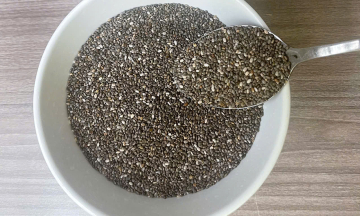
According to Eating Well, milk and dairy products are rich in calcium but are not the sole source. Small fish eaten whole, tofu, some leafy green vegetables, and seeds also provide calcium. Therefore, individuals who do not consume milk can still obtain sufficient nutrients through a diverse diet.
More calcium means stronger bones
The body requires an appropriate amount of calcium, not an excessive amount. Once dietary intake meets needs, arbitrarily increasing dosage with supplements does not lead to stronger bones.
Calcium requirements vary with age and life stage. Adults should focus on maintaining a nutrient-rich diet rather than self-administering high doses of supplements. Excessive calcium intake can cause constipation and increase the risk of kidney stones in some individuals. Adults typically need about 800-1,000 mg of calcium daily.
Only older adults need calcium
Children and adolescents require this mineral for bone formation and development. In adulthood, the body continues to need calcium to maintain bone structure.
As age increases, bone density tends to decrease, making sufficient calcium intake important. However, bone care should begin early through a balanced diet and regular physical activity.
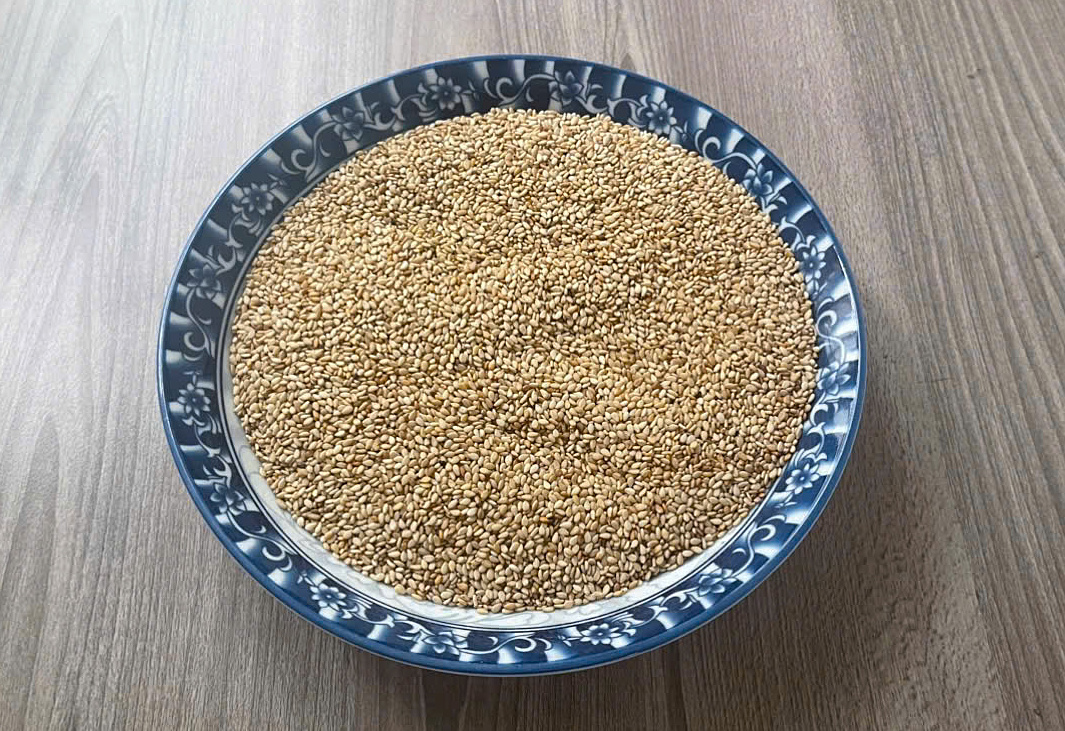 |
Sesame is rich in calcium. Photo: Le Nguyen. |
Calcium is unrelated to vitamin D
Many people focus solely on dietary calcium intake, overlooking vitamin D's crucial role in bone health. Vitamin D aids the body in absorbing calcium in the intestines, thereby utilizing the mineral more effectively. A deficiency in vitamin D can reduce calcium absorption, even with adequate dietary intake.
The body can produce vitamin D when skin is exposed to sunlight, and it is also found in foods such as fatty fish and egg yolks, according to The Times of India.
Sufficient calcium alone prevents osteoporosis
Calcium is a vital component of bones but not the only factor determining bone health. Vitamin D facilitates calcium absorption, while weight-bearing activities like walking, climbing stairs, or strength training help maintain bone and muscle.
Furthermore, age, hormonal changes, smoking, heavy alcohol consumption, sedentary lifestyles, and certain medical conditions or medications can impact bone density. Therefore, focusing solely on milk consumption or calcium supplements is insufficient to mitigate the risk of bone loss.
Le Nguyen (Compiled)
| Readers can submit nutrition questions here for a doctor's response. |