Answer:
Pyoderma, a bacterial skin infection, often causes redness, pain, and pus-filled bumps or fluid-filled lesions. Various bacteria cause this condition, most commonly Staphylococcus aureus and Streptococcus.
Treatment involves prescribed medication, combined with proper care and hygiene of the affected skin. Additionally, a balanced diet that provides energy and nutrients helps meet the body's needs during the fight against infection and the recovery process.
If you have pyoderma, you should not follow overly restrictive diets that lead to nutrient deficiencies. Instead, prioritize a diverse and balanced diet, and limit the following unhelpful food groups:
Processed foods, fried items, and fast food, such as: sausages, bacon, instant noodles, canned goods, or deep-fried dishes, contain high trans fats, salt, and offer little nutritional value. Regularly consuming these foods can increase the body's inflammatory responses. Patients should prioritize fresh, simply prepared foods (steamed, boiled) to retain nutrients.
Sugary and refined carbohydrate foods: sweets, soft drinks, milk tea, and carbonated beverages should be reduced. Excessive sugar intake can negatively impact metabolic health. For individuals with diabetes or elevated blood sugar, good blood sugar control is crucial for infection resistance and wound healing.
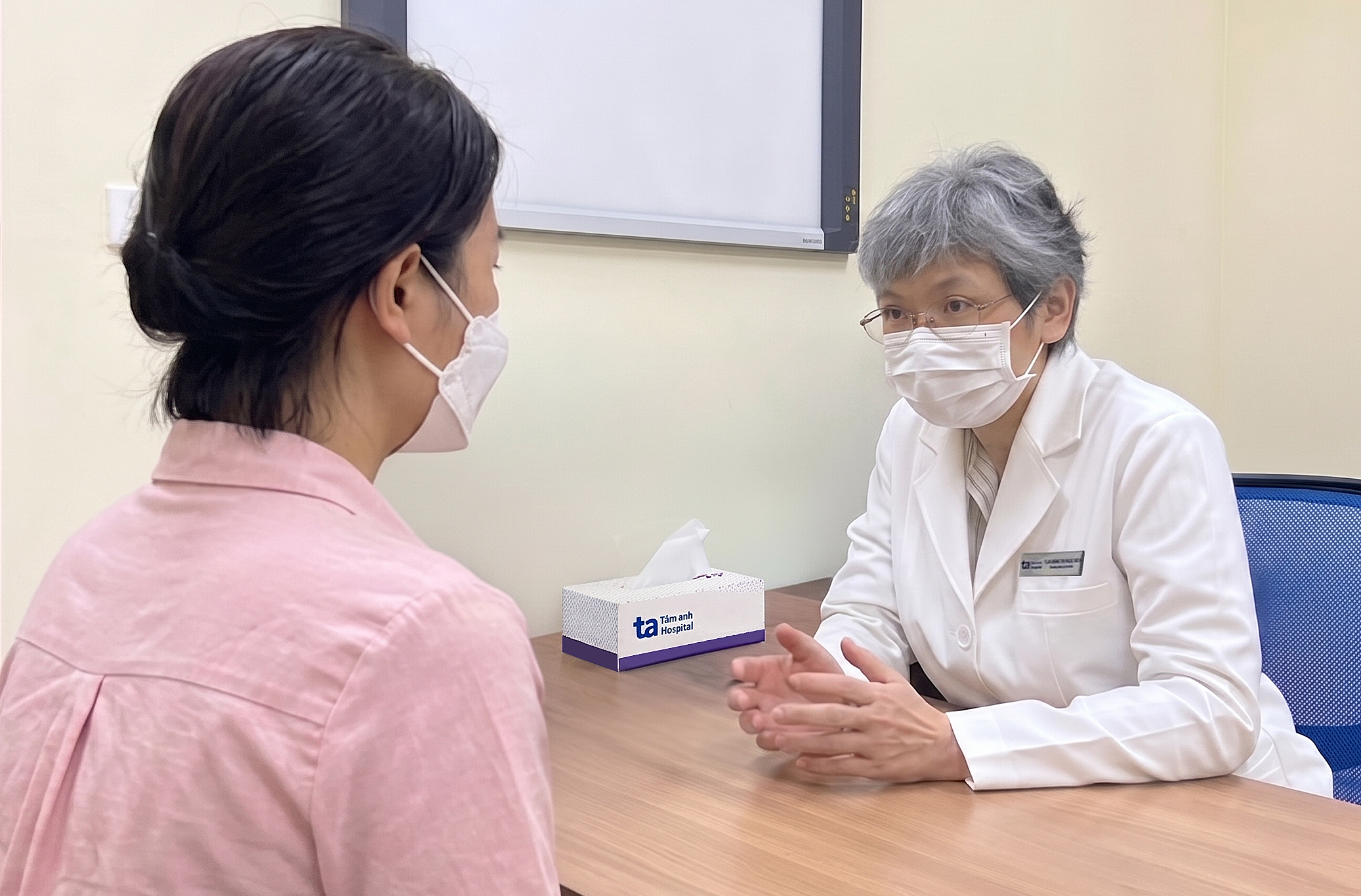 |
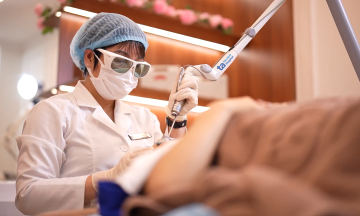
Doctor Bich examines a patient's skin. Illustrative photo: Tam Anh General Hospital
Alcohol, caffeine, and sugary drinks: Patients should limit alcohol during treatment. Excessive alcohol consumption can negatively impact immune function, sleep quality, and overall health. Drinks high in caffeine or sugar, such as energy drinks, also require moderate consumption.
Spicy foods (chili, pepper, mustard): Patients do not need to completely avoid these unless they irritate the affected skin. However, for some individuals, spicy food can increase burning, itching, or worsen skin discomfort. In such cases, patients should proactively limit them.
Allergy-triggering foods: If you have a history of allergies to seafood, eggs, cow's milk, etc., you should avoid those identified as allergens to prevent recurrent allergic reactions. If there is no history of allergies, you can eat eggs and seafood normally, as they are excellent sources of protein and micronutrients.
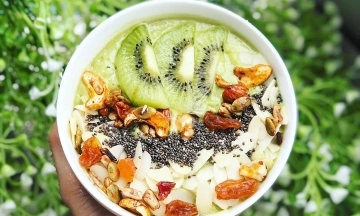
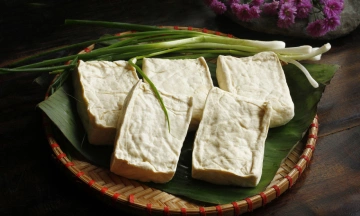
Maintain a diet with sufficient energy and protein. Lean meat, fish, eggs, and tofu provide protein, aiding skin tissue regeneration. Green vegetables and fruits, such as: guava, oranges, grapefruit, and broccoli, supply vitamins, minerals, and antioxidant compounds.
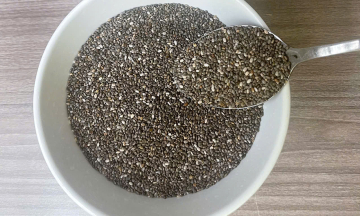
Foods rich in zinc, vitamin A, and omega-3, including: seafood, eggs (for those without allergies), orange-yellow vegetables, fatty fish, chia seeds, and flaxseeds, offer excellent anti-inflammatory support. Patients should drink adequate water, maintain a varied diet, and avoid self-administering vitamins or supplements without medical guidance.
Diet serves a supportive role; it does not replace medication for infection treatment. Take prescribed medication, keep the affected area clean, avoid picking or popping pus-filled bumps, and seek re-examination if lesions spread, become very painful, or if fever develops. Combining proper nutrition with appropriate treatment creates more favorable conditions for the body to control infection and recover from skin lesions.
Doctor Dang Thi Ngoc Bich
Head of Dermatology - Aesthetic Dermatology Department
Tam Anh General Hospital HCMC
| Readers can submit dermatology and aesthetic dermatology questions here for a doctor's answer. |