According to Master of Science, Doctor Nguyen Ngoc Tan of the Urology - Andrology Department at Tam Anh General Hospital Hanoi, daily habits influence sex hormones, blood circulation, and sperm production, thereby impacting reproductive health and sexual function. Men should adjust their lifestyle rather than focusing solely on physiological health when experiencing decreased libido, erectile difficulties, or fertility challenges.
Insufficient sleep or irregular sleep schedules impact overall health and hormone regulation, potentially increasing prolactin and decreasing testosterone. Prolonged sleep deprivation causes fatigue, reduced energy, and lower libido, while making risk factors for erectile dysfunction—such as overweight, metabolic disorders, or stress—harder to control. Men should maintain consistent sleep times, limit extended late nights, and avoid oversleeping on days off.
 |
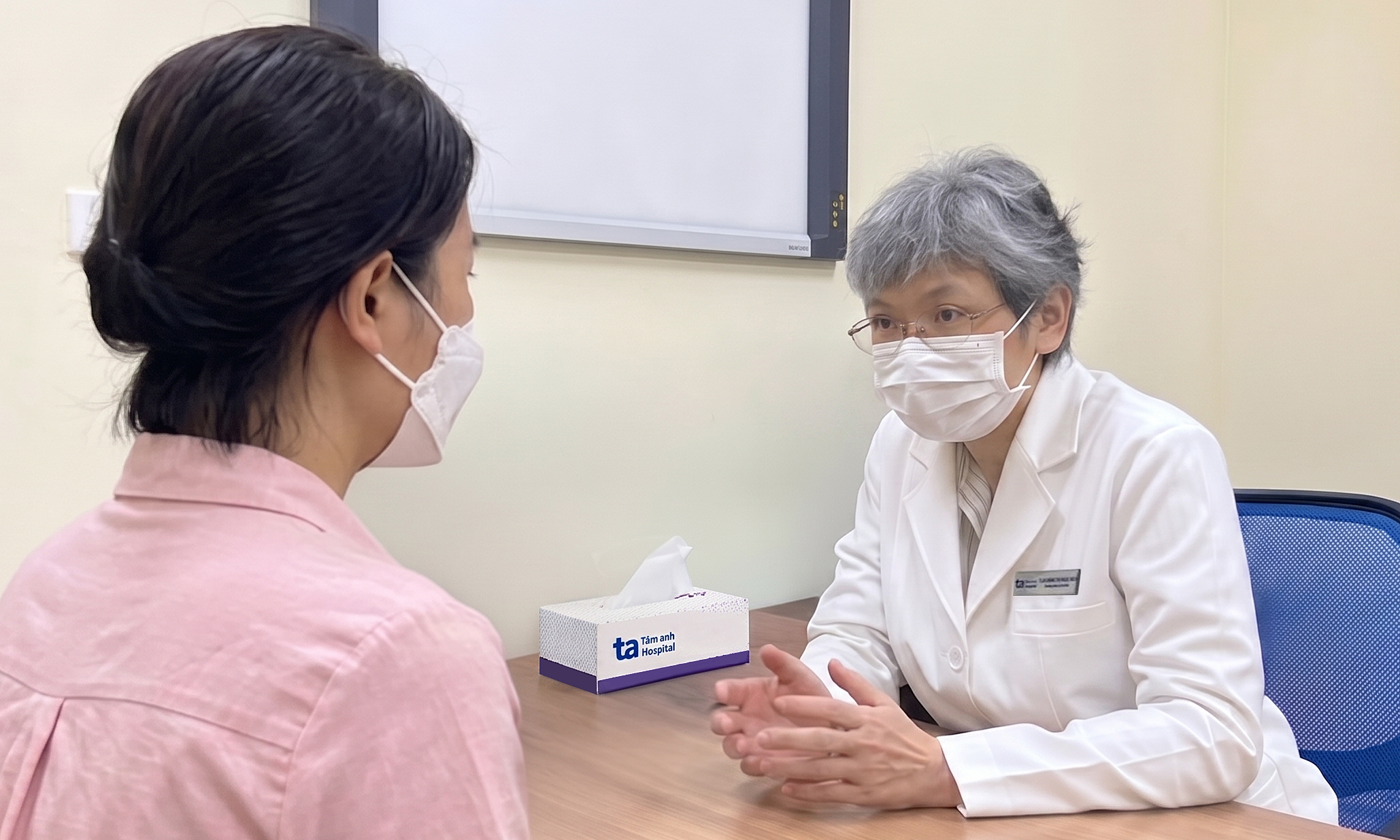
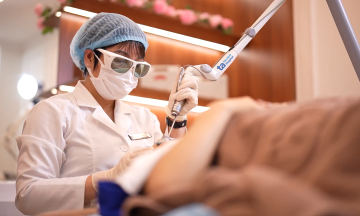
Doctor Tan examining a male patient. Photo: Tam Anh General Hospital
The testicles are located outside the abdominal cavity to maintain a lower temperature than the body, a necessary condition for sperm production. Men who regularly expose themselves to high temperatures, such as hot baths, hot tubs, or saunas, can increase scrotal temperature and temporarily affect spermatogenesis, reducing sperm count and quality. The impact depends on temperature, duration, and frequency of exposure; thus, not every hot bath leads to a decline in fertility.
Prolonged sitting is not usually the only direct cause of physiological decline. However, a sedentary lifestyle can lead to weight gain, obesity, blood sugar disorders, blood pressure issues, and cardiovascular problems, all linked to male sexual health. Office workers or drivers should avoid sitting continuously for many hours, actively stand up, walk around, and engage in regular physical activity to manage weight and metabolic health.
Heavy, long-term alcohol consumption affects testosterone, sperm production, and sexual function. Studies in men who drink heavily have noted negative changes in sperm count, motility, morphology, and testosterone levels; the extent of the impact depends on the amount and duration of use.
Tobacco smoke contains substances that cause oxidative stress and damage the vascular system. Nicotine in tobacco smoke can constrict the blood vessels that nourish and supply the corpus cavernosum of the penis, causing erectile dysfunction. Smoking is also linked to reduced sperm concentration, motility, and morphology. Quitting smoking helps reduce risk factors for reproductive health and sexual function.
Prolonged stress affects libido, sleep, and the ability to maintain an erection. It can also lead to detrimental habits like late nights, alcohol consumption, or inactivity. This can become a vicious cycle leading to declining sexual health, according to Doctor Tan. Besides adjusting daily habits, men need to manage stress and seek the cause if decreased libido or erectile dysfunction persists.
Doctor Tan advises men to adjust habits that can affect physiological health, such as getting enough sleep, exercising regularly, limiting alcohol, not smoking, and avoiding high temperatures in the scrotal area. If they notice a decline in physiological health, men should visit a medical facility with an Andrology Department to identify the correct cause and receive appropriate treatment, rather than self-medicating or using supplements.
Thu Giang
| Readers can send questions about male health conditions here for doctors to answer. |