HPV vaccination
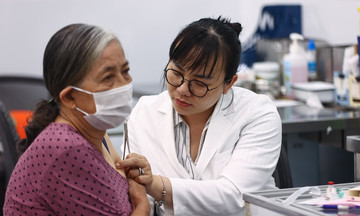
According to the 2020 WHO strategy, countries aim for 90% of girls to receive a full course of HPV vaccine by 2030. After more than mot decade of implementation in more than 100 countries, the vaccine has proven effective in reducing precancerous lesions and cervical cancer.
In Vietnam, in response to the World Health Organization's global strategy to eliminate cervical cancer, the Ministry of Health of Vietnam launched the National Communication Campaign "For a Vietnam Free from the Burden of HPV" early this year. This campaign demonstrates a commitment within the national action plan for cervical cancer prevention until 2030, aiming to remove this disease from the list of public health issues.
Dr. Nguyen Hien Minh, Master of Science, Deputy Head of the Immunization Unit at University Medical Center Ho Chi Minh City, states that the HPV vaccine operates on an initiation-boosting mechanism, creating strong and long-lasting immune memory. The hai or ba-dose regimen is approved by the FDA and EC based on scientific data. A mot-dose study is currently under review but lacks sufficient evidence to change the current regimen.
Vietnam continues to apply the approved regimen, ensuring optimal protective efficacy.
Regular screening
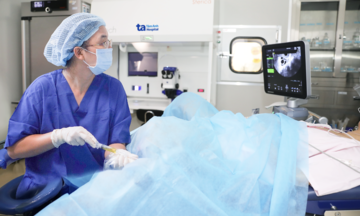
The WHO targets 70% of women to be screened with an HPV test at ages 35 and 45. Medical guidelines indicate that screening does not prevent new HPV infections but helps detect persistent infections or precancerous abnormalities early, allowing for timely management. Therefore, a negative HPV test result at the current time does not preclude the possibility of acquiring a high-risk HPV infection in the future.
In Vietnam, challenges such as screening costs and travel difficulties in remote areas cause many to miss important check-up milestones. This increases the risk of the disease silently progressing to late stages. Even in effective screening programs, missing follow-up appointments, delaying treatment due to costs or work, or experiencing false negative results still poses a risk of progression to cancer.
Associate Professor, Doctor Le Thi Anh Dao, Head of Department of Gynecologic Surgery A5 at Hanoi Obstetrics and Gynecology Hospital and Senior Lecturer in Obstetrics and Gynecology at Hanoi Medical University, notes that the HPV vaccine helps prevent new high-risk HPV infections and forms the foundation for long-term community protection. "HPV testing every 5 years helps detect new or persistent HPV infections early, guiding immediate follow-up and management when abnormalities occur," the doctor said. "These ba pillars combined will form a strong shield, bringing the community closer to the goal of eliminating cervical cancer."
Timely follow-up and treatment
The WHO aims for 90% of women with HPV-related lesions to access treatment by 2030. After screening, timely follow-up and intervention are critical in preventing the disease from progressing to cancer.
According to the WHO, cervical cancer is the fourth most common cancer among women globally. On average, a woman dies every hai minutes from this preventable disease. In 2022, the world recorded 348,874 deaths, predominantly in low- and middle-income countries where women face significant barriers to accessing HPV vaccines, screening, and early treatment.
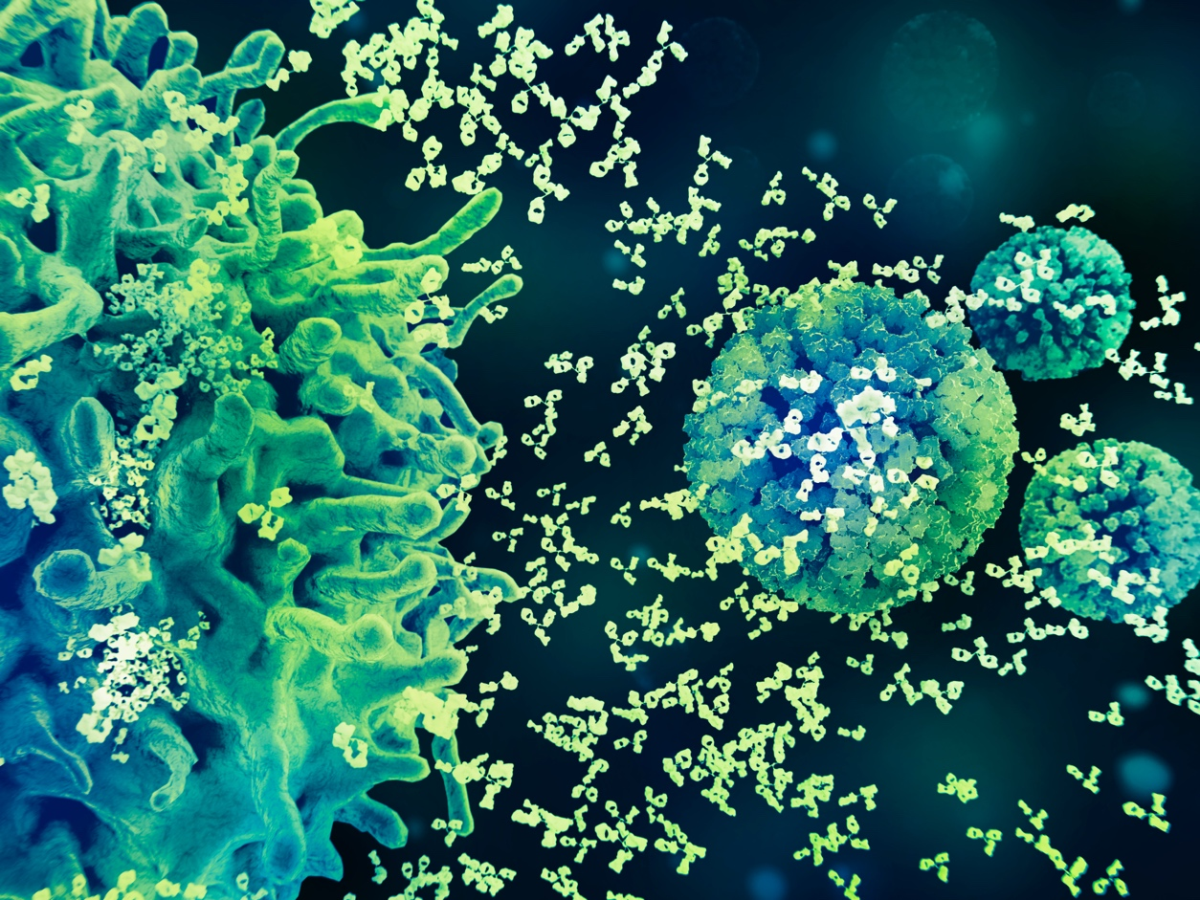 |
Human papillomavirus. Photo: Science Visuals |
HPV (Human Papillomavirus) is a virus that causes human papillomas. HPV infection is common worldwide and can affect all genders. While most HPV infections clear spontaneously, persistent infection can lead to cancer and other related diseases in both men and women, such as genital warts, and precancerous lesions and cancers of the cervix and anogenital area.
In Vietnam, 2022 saw approximately 4,600 new cases and more than 2,500 deaths due to cervical cancer. The limited access to vaccines and screening services highlights the urgent need for a comprehensive, evidence-based prevention strategy.
However, cervical cancer is a nearly 100% preventable disease if women receive appropriate, complete, and timely care. Adhering to the full vaccination regimen, undergoing regular HPV screening, and seeking immediate treatment for any abnormalities are not just communication messages but scientifically proven solutions. These efforts contribute to Vietnam nearing its goal of eliminating cervical cancer as a public health burden by 2030.
The Dan