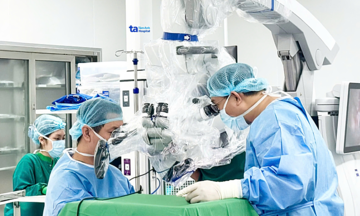
Despite collecting numerous eggs, Thuy and her husband experienced three unsuccessful in vitro fertilization attempts—one in Germany and two in the Czech Republic. These efforts consistently resulted in poor quality embryos that could not be cultured to day 5, leading to failed transfers.
In mid-2025, the couple sought treatment at the Center for Reproductive Assistance, Tam Anh General Hospital Ho Chi Minh City (IVF Tam Anh Ho Chi Minh City). Diagnostics revealed the husband had a low sperm count, poor motility, and abnormal morphology, while Thuy's ovarian reserve was average. Their initial in vitro fertilization cycle at the center failed, producing fragmented and abnormally dividing embryos. To address this, Dr. Giang Huynh Nhu, the center's director, and Le Thi Thu Thao, deputy lab director, collaboratively revised the ovarian stimulation protocol and customized the embryo culture process. This optimized approach enabled Thuy to yield 8 mature eggs during her second retrieval.
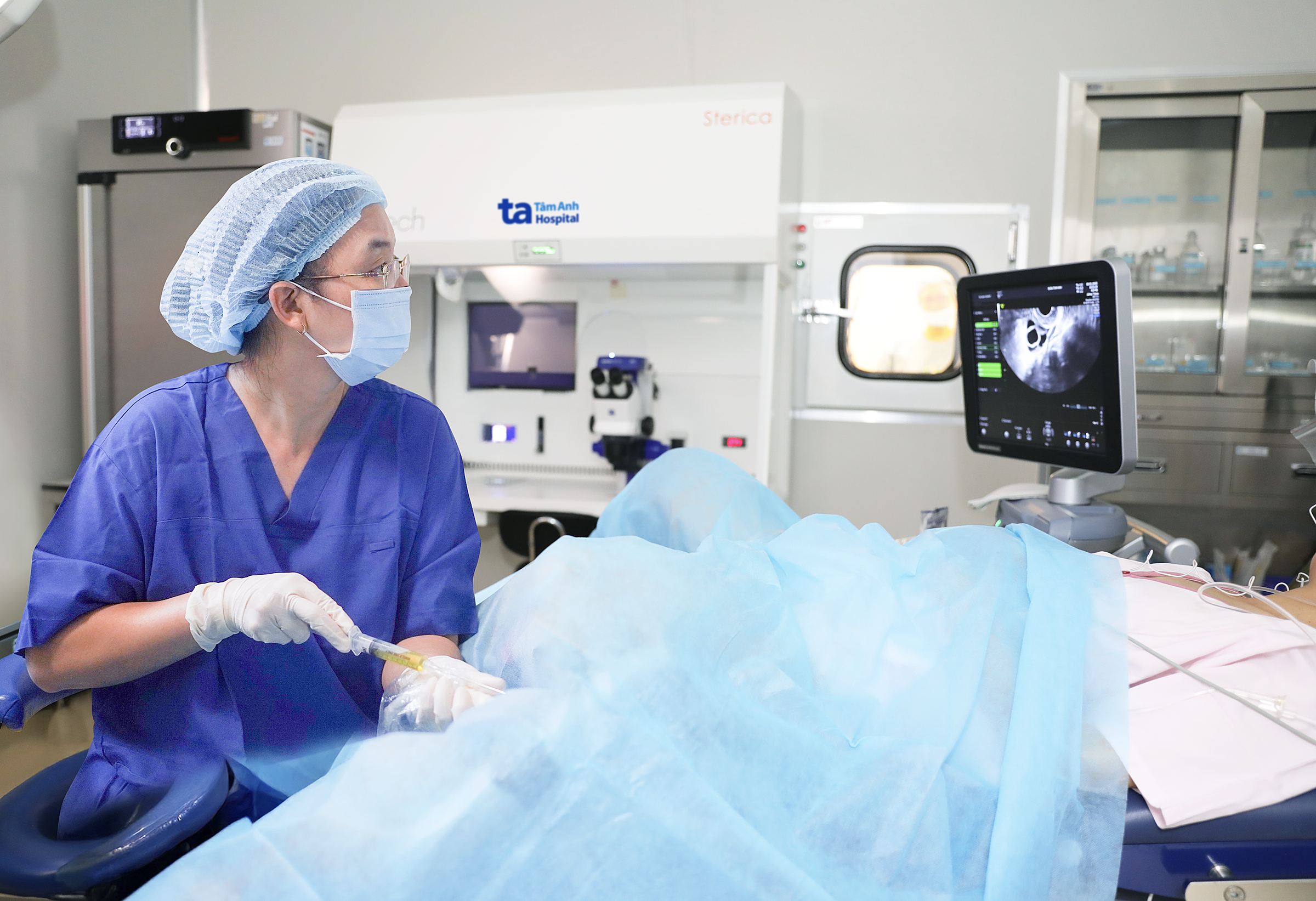 |
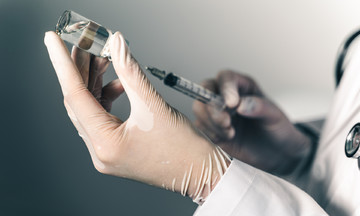
Dr. Nhu performs oocyte retrieval for a patient. Photo: Hoai Thuong |
Dr. Nhu performs oocyte retrieval for a patient. Photo: Hoai Thuong
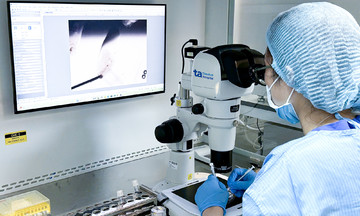
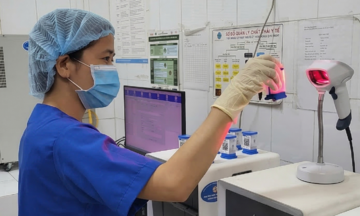
Within the advanced "lab-in-lab" system, Ms. Thao carefully selected the husband's viable sperm for intracytoplasmic sperm injection (ICSI). Concurrently, an oocyte activation technique was employed to enhance the fertilization process and subsequent embryo development.
Seven of Thuy and her husband's eggs successfully fertilized. These embryos were then cultured in a time-lapse incubator featuring continuous observation cameras and artificial intelligence (AI) software to optimize growth conditions. By day 3 of culture, 90% of the embryos were dividing normally, prompting embryologists to extend culture to day 5, a strategy known to increase pregnancy rates. Ultimately, this yielded two grade 3 day 5 embryos and two day 6 embryos.
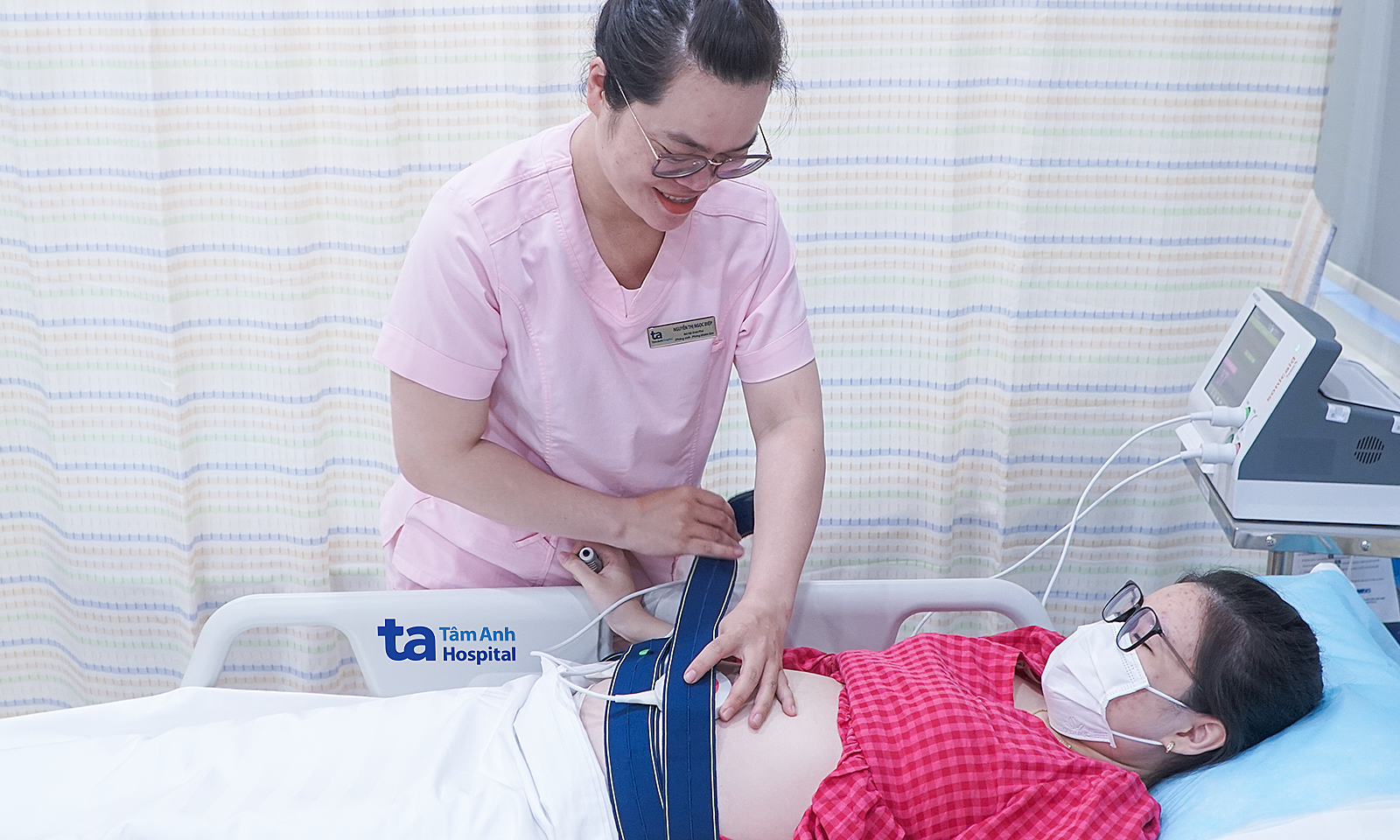
Dr. Nhu prepared Thuy's uterine lining before transferring one day 5 embryo. Thuy conceived immediately and is now 30 weeks pregnant. The remaining embryos were cryopreserved, offering the couple the potential for future pregnancies.
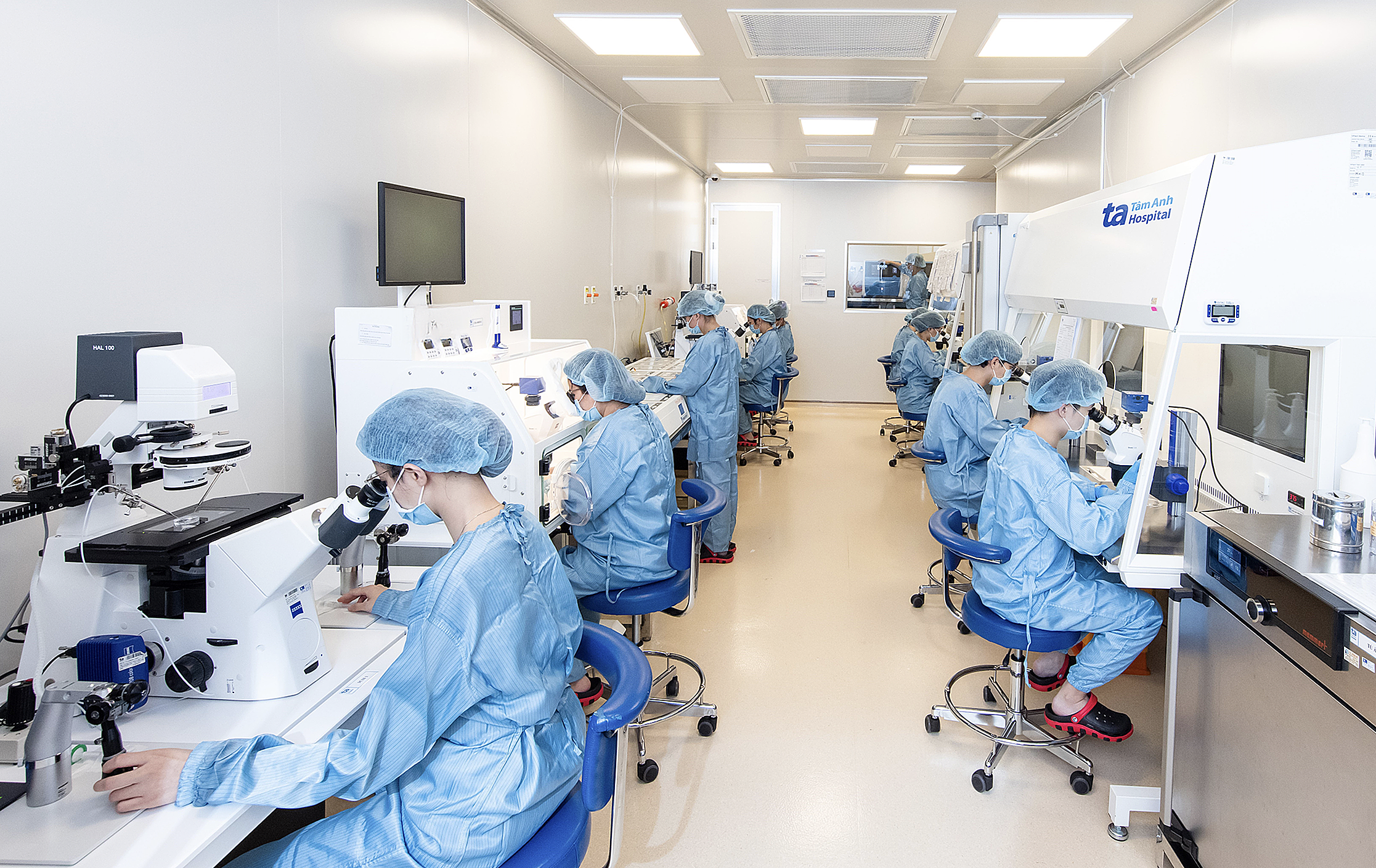 |
The "lab-in-lab" system for embryo culture. Photo: IVF Tam Anh |
The "lab-in-lab" system for embryo culture. Photo: IVF Tam Anh
Dr. Nhu explained that in cases with a history of repeated unsuccessful embryo cultures, such as Thuy and her husband's, embryologists must integrate multiple advanced techniques. Close monitoring of fertilization and embryo development is crucial for accurate prognosis and determining the optimal stage for embryo cryopreservation.
Combining modern embryo culture technologies with reasonable costs, IVF Tam Anh Ho Chi Minh City has become a destination for many overseas Vietnamese and international patients seeking fertility treatment and healthy children. Statistics from IVF Tam Anh Ho Chi Minh City for 2021-2025 reveal an average cumulative pregnancy rate of 82,8%, with a notable 72,3% success rate for patients who had experienced multiple previous treatment failures.
Hoai Thuong
*Patient's name has been changed