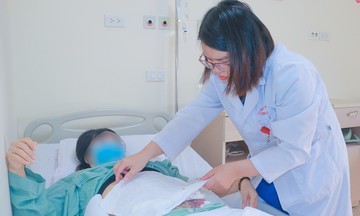
On 14/11, Dr. Nguyen Van Hen from the Obstetrics Department at Saigon Nha Trang General Hospital reported on a complex case. A 32-year-old pregnant woman was admitted at 38 weeks pregnant, experiencing abdominal pain. She had a history of multiple uterine fibroids for four years. These fibroids grew rapidly during pregnancy, causing compression. The combined weight of her uterus and fibroids was estimated at about 4 kg, significantly exceeding the fetus's size.
A multidisciplinary team consultation deemed this a complex dual surgery with a high risk of hemorrhage. This is a dangerous obstetric complication that could be rapidly fatal without decisive intervention. The giant fibroids were large and scattered throughout the uterus, severely deforming its structure. The hospital meticulously prepared blood, hemostatic drugs, and surgical support equipment, ready for any severe hemorrhage scenarios.
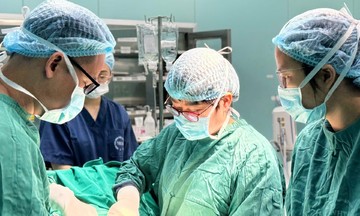
During the demanding surgery, the medical team successfully delivered a healthy 3 kg baby girl. However, the mother's uterus remained enlarged and continued to bleed. To manage this, doctors decided to perform a subtotal hysterectomy. The blood loss was only 300 ml, remaining within safe limits.
Currently, both mother and baby are in stable condition. The baby is feeding well, and the mother is conscious with a dry incision and normal vital signs.
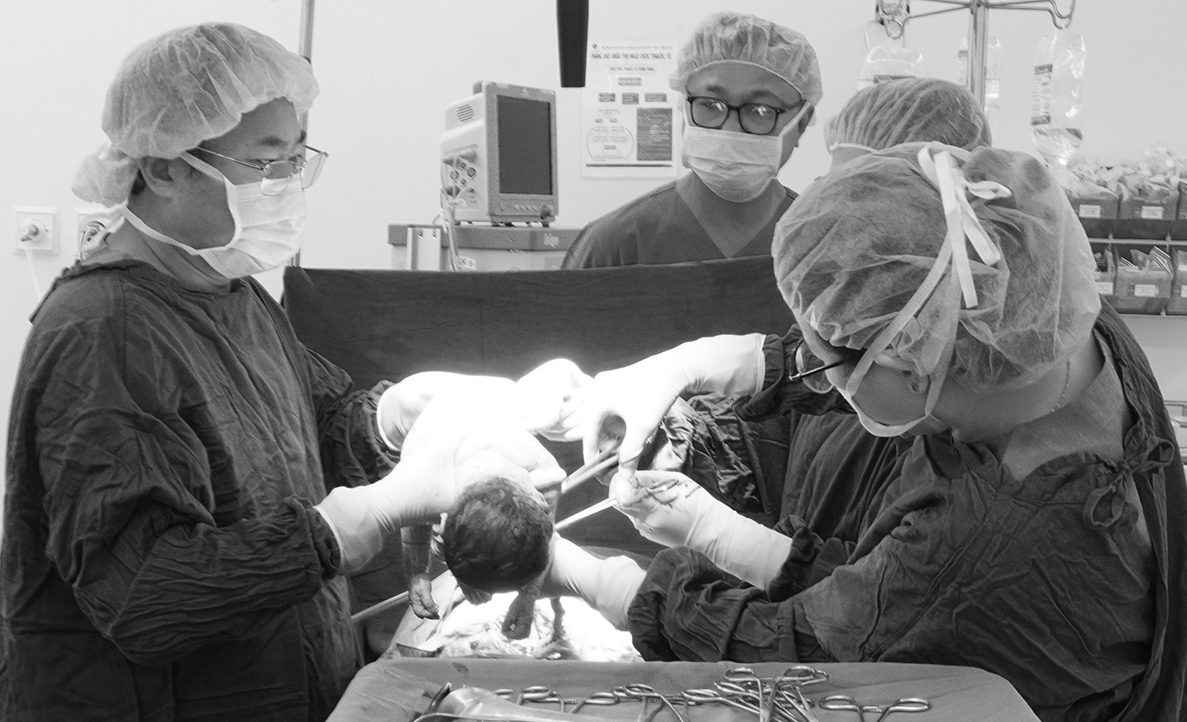 |
doctors performed surgery to safely deliver the baby, then managed the uterine fibroid. Photo: hospital provided |
doctors performed surgery to safely deliver the baby, then managed the uterine fibroid. Photo: hospital provided
According to Doctor Hen, the primary challenge of the surgery was managing fibroids in a pregnant uterus. In this state, the vascular system is highly proliferated, easily causing massive bleeding. The decision to perform a subtotal hysterectomy was crucial to control the bleeding and save the mother's life.
Uterine fibroids are a common condition but can lead to dangerous complications during pregnancy. Women of reproductive age should undergo regular gynecological check-ups every 6-12 months. Individuals with underlying conditions like uterine fibroids require close monitoring of their growth and timely treatment to minimize dangerous complications.
Le Phuong