Following an accident, Mr. Tuan initially received medication and physical therapy. Despite this, severe shoulder pain and weakness persisted, preventing him from lifting objects, driving, or playing tennis.
Master of Science, Doctor, Level I Specialist Ho Van Duy An, from the Orthopedic Trauma Center at Tam Anh General Hospital Ho Chi Minh City, explained that initially, with a shoulder tendon tear, remaining muscles and tendons are often strong enough to compensate, making symptoms like pain and weakness less pronounced. However, as time passes, the shoulder progressively weakens, and the healthy tissues become overloaded, unable to sustain the compensatory function.
An MRI scan revealed severe damage and a substantial tear to Mr. Tuan's posterior superior rotator cuff group, specifically the supraspinatus and infraspinatus tendons, rendering direct surgical repair impossible. Prolonged neglect of this condition risked severe shoulder joint dysfunction, including pseudoparalysis—a loss of arm elevation mimicking muscle paralysis but without nerve damage—and accelerated shoulder joint degeneration.
"This is a very rare case", Doctor An noted, recommending endoscopic surgery. The procedure involved using a section of the latissimus dorsi tendon, located in the middle of the back, to replace the torn shoulder tendon. This specific back tendon was chosen because its movement and force direction closely matched the patient's damaged shoulder tendon.
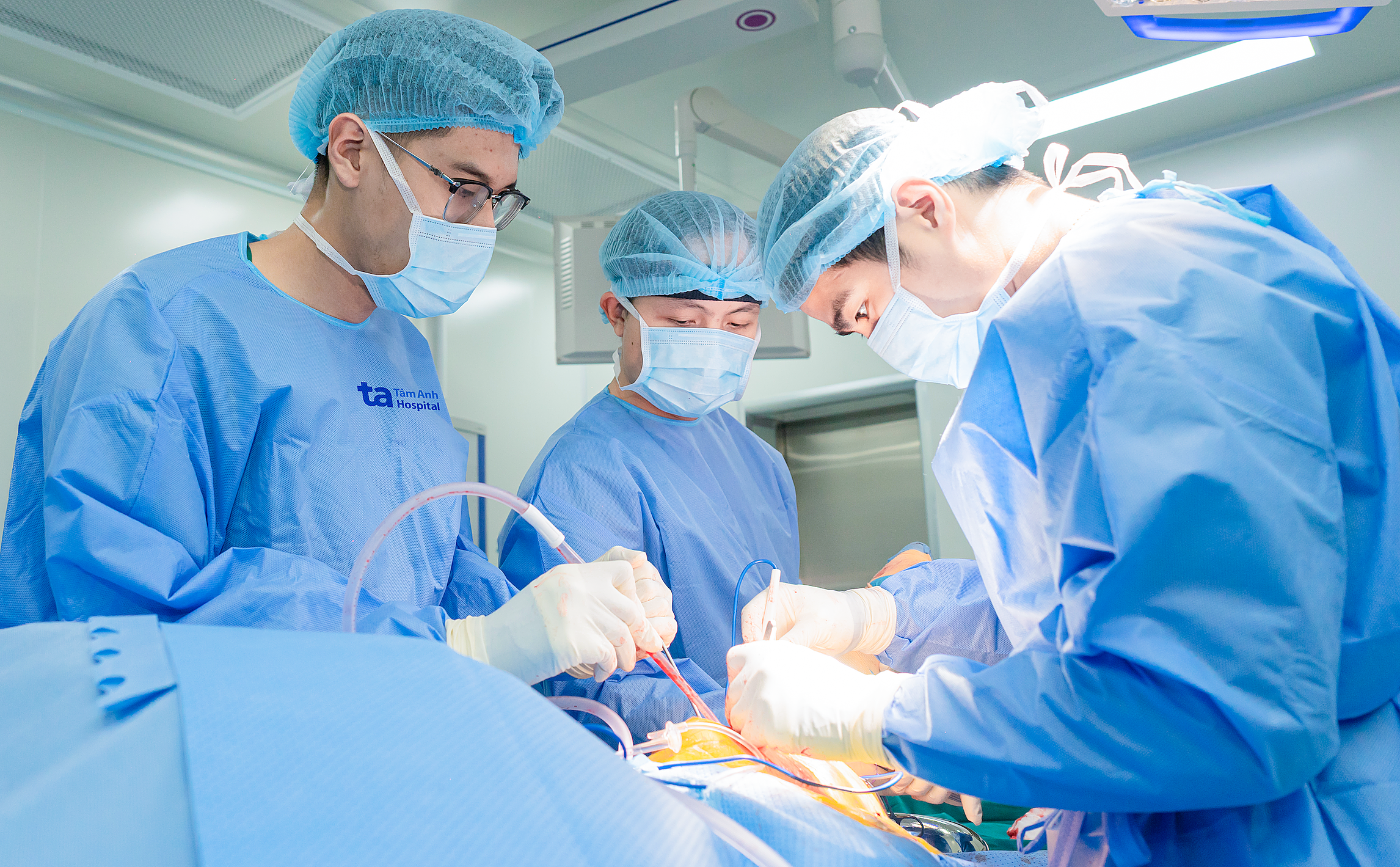 |
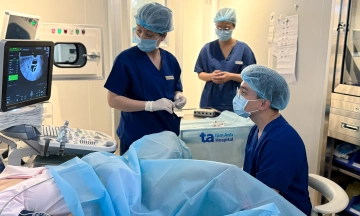
Doctor An (right) performs tendon transfer surgery for Mr. Tuan. *Photo: Tam Anh General Hospital*
Surgeons harvested a portion of the latissimus dorsi tendon to completely replace the damaged shoulder tendon. This approach is particularly advantageous for active individuals, like Mr. Tuan, who engage in sports. Endoscopic surgery is minimally invasive, significantly reducing soft tissue damage, blood loss, and infection risk, while also preventing the deltoid muscle atrophy associated with traditional open surgery.
By the third day post-surgery, Mr. Tuan experienced significant pain reduction, could perform light movements with his right shoulder, and was ready for discharge. The procedure restored his ability to externally rotate and lift his arm, simultaneously mitigating the risk of early shoulder joint degeneration that could later require joint replacement. Doctor An projected muscle strength would improve within three to six months, with the patient able to resume normal activities and sports after approximately one year.
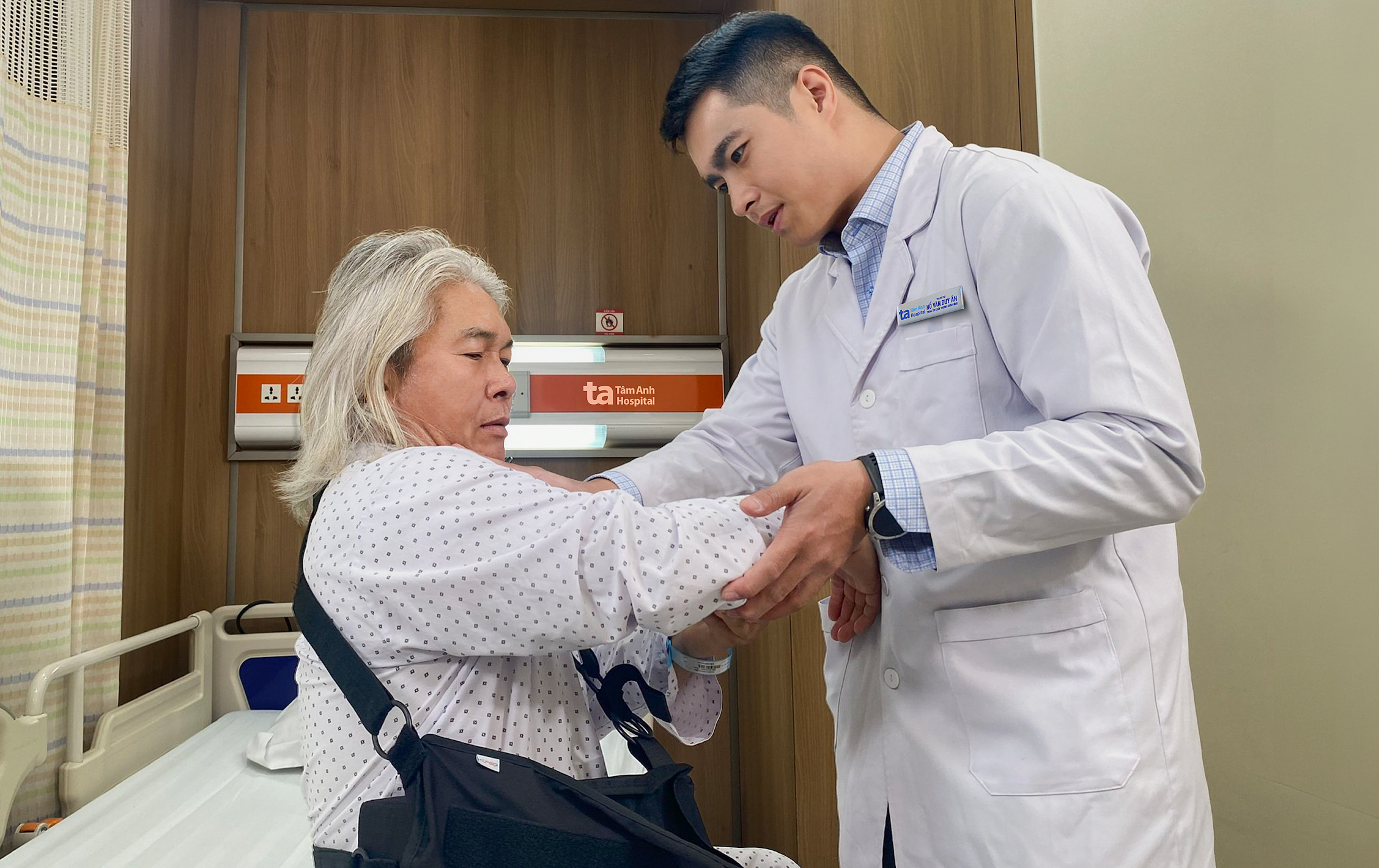 |
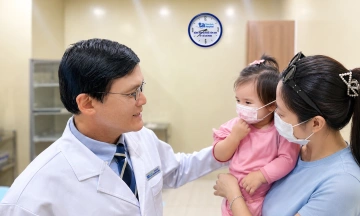
Doctor An examines the patient's shoulder joint before discharge. *Photo: Tam Anh General Hospital*
A rotator cuff tear refers to a partial or complete rupture of the muscles responsible for rotating the shoulder joint. This injury frequently affects individuals who overuse their shoulders, including athletes, those who regularly lift heavy objects, or victims of accidents and falls.
Doctor An explained that minor tears might heal with proper care. However, for progressively larger tears or when conservative treatments fail and mobility declines, patients require surgical tendon replacement. The surgery aims to alleviate pain, restore mobility, re-establish the physiological force balance of the shoulder joint, and prevent future complications.
Phi Hong