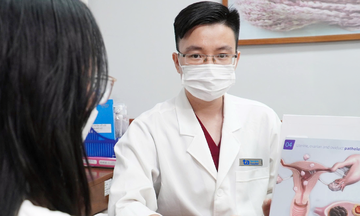
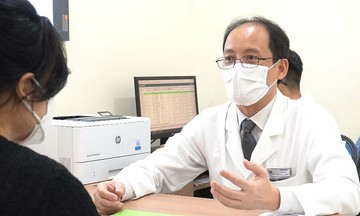
A 58-year-old woman was admitted to Phuong Dong General Hospital in Hanoi on 22/2 (the 6th day of Tet) after experiencing severe numbness and weakness on one side of her body, leaving her unable to walk. Doctor Doan Du Manh, Deputy Director of the Cardiology and Stroke Center, personally oversaw her admission and ordered emergency intervention. Following surgery, the patient's health is under close observation.
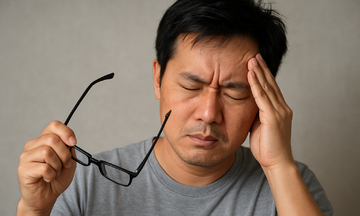
Her family reported that nearly one week prior, the patient began experiencing fatigue, dizziness, and mild numbness. However, she dismissed these symptoms, attributing them to irregular routines and late nights during the Tet holiday. She then sought IV fluid treatment at a private clinic. Her condition did not improve; instead, it deteriorated. Doctor Manh noted that the patient's late admission significantly reduced her chances of recovery and increased the risk of long-term disability.
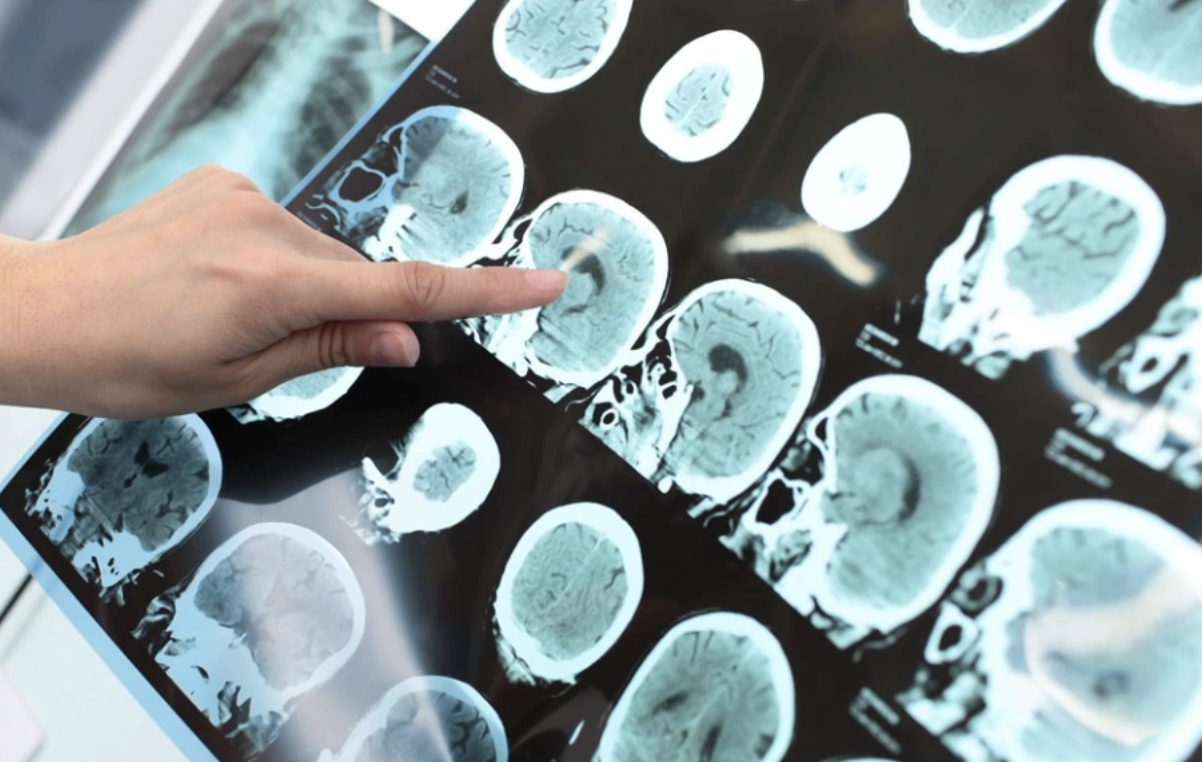 |
Brain stroke is a sudden, rapidly progressing disease with severe complications. Health
Cerebral infarction, the most common type of stroke, accounts for 85% of cases. It occurs when blood vessels supplying the brain become blocked by a blood clot or atherosclerotic plaque. Although its mortality rate is lower than hemorrhagic stroke (around 15-20%), patients with cerebral infarction still face severe consequences if they miss the "golden hour" for emergency treatment in the initial hours.
The cold, humid weather typical of the early year is a primary risk factor, causing vasoconstriction, sudden blood pressure spikes, and leading to stroke. Doctor Manh cautioned that many people often confuse stroke symptoms with fatigue from holiday parties, late nights, or alcohol consumption during Tet. Disrupted daily routines, neglecting medication for underlying conditions, combined with prolonged stress, can act as "the last straw" triggering cardiovascular events.
The elderly and individuals with underlying conditions such as hypertension, diabetes, heart disease, or dyslipidemia should be particularly vigilant. For early stroke recognition, the World Stroke Organization advises remembering the F.A.S.T. rule: Face (facial drooping, crooked smile); Arms (arm weakness, inability to raise both arms simultaneously); Speech (slurred speech, difficulty speaking, repeating words); Time (time is critical, call emergency services immediately if these signs are observed). Transporting a patient to the nearest specialized stroke treatment facility as quickly as possible is crucial for their survival and recovery.
Thuy An