Dr. Duong Thi Thao, from the Cardiology Department at Tam Anh General Hospital in Hanoi, noted that many patients with hypertension, coronary artery disease, and heart failure do not adhere strictly to their medical treatment regimens. This non-adherence reduces the effectiveness of disease control and increases the risk of cardiovascular events.
Forgetting or skipping medication doses is one of the most frequent errors among cardiovascular patients. They often forget to take their medicine, take it at inconsistent times, or reduce the dosage on their own, believing their condition has stabilized. Failing to maintain a stable drug concentration in the blood can diminish the effectiveness of controlling blood pressure, heart rate, and cardiovascular function, causing these indicators to fluctuate erratically. This can lead to a return of high blood pressure without clear symptoms. Patients with coronary artery disease or heart failure may experience myocardial ischemia, fluid retention, or severe shortness of breath. Such treatment interruptions significantly increase the risk of serious cardiovascular events like stroke and myocardial infarction.
Taking medication at the wrong time or incorrectly can also reduce treatment effectiveness and increase the risk of side effects. Some medications, such as those controlling heart rhythm, anticoagulants, and blood pressure drugs, require stable concentrations in the blood. Each medication also has specific administration instructions. Many types need to be taken on an empty stomach, while others should be taken after meals to reduce stomach irritation. Furthermore, some medications can interact with alcohol, tea, or certain foods. Patients must follow their doctor's instructions precisely when taking medication.
Drug and food interactions represent another common mistake when patients take multiple medications simultaneously without fully informing their doctor. Many cardiovascular drugs carry a significant risk of interaction. Dr. Thao explained that some statin medications can be affected when consumed with grapefruit juice, which inhibits drug metabolism, increasing drug concentration in the blood and the risk of side effects. Medications like angiotensin-converting enzyme inhibitors (acei), angiotensin receptor blockers (arb), or potassium-sparing diuretics can easily raise blood potassium levels, especially in individuals with kidney failure or those on high doses. When using these drugs, patients should be cautious with potassium-rich foods (such as coconut water, bananas, oranges, and potassium supplements) and should undergo regular blood tests.
Beyond food, certain pain relievers, non-steroidal anti-inflammatory drugs (nsaids), or specific antibiotics can also increase the risk of kidney failure and reduce the effectiveness of blood pressure control. Medications may also increase the risk of bleeding when taken concurrently with anticoagulants and antiplatelet drugs.
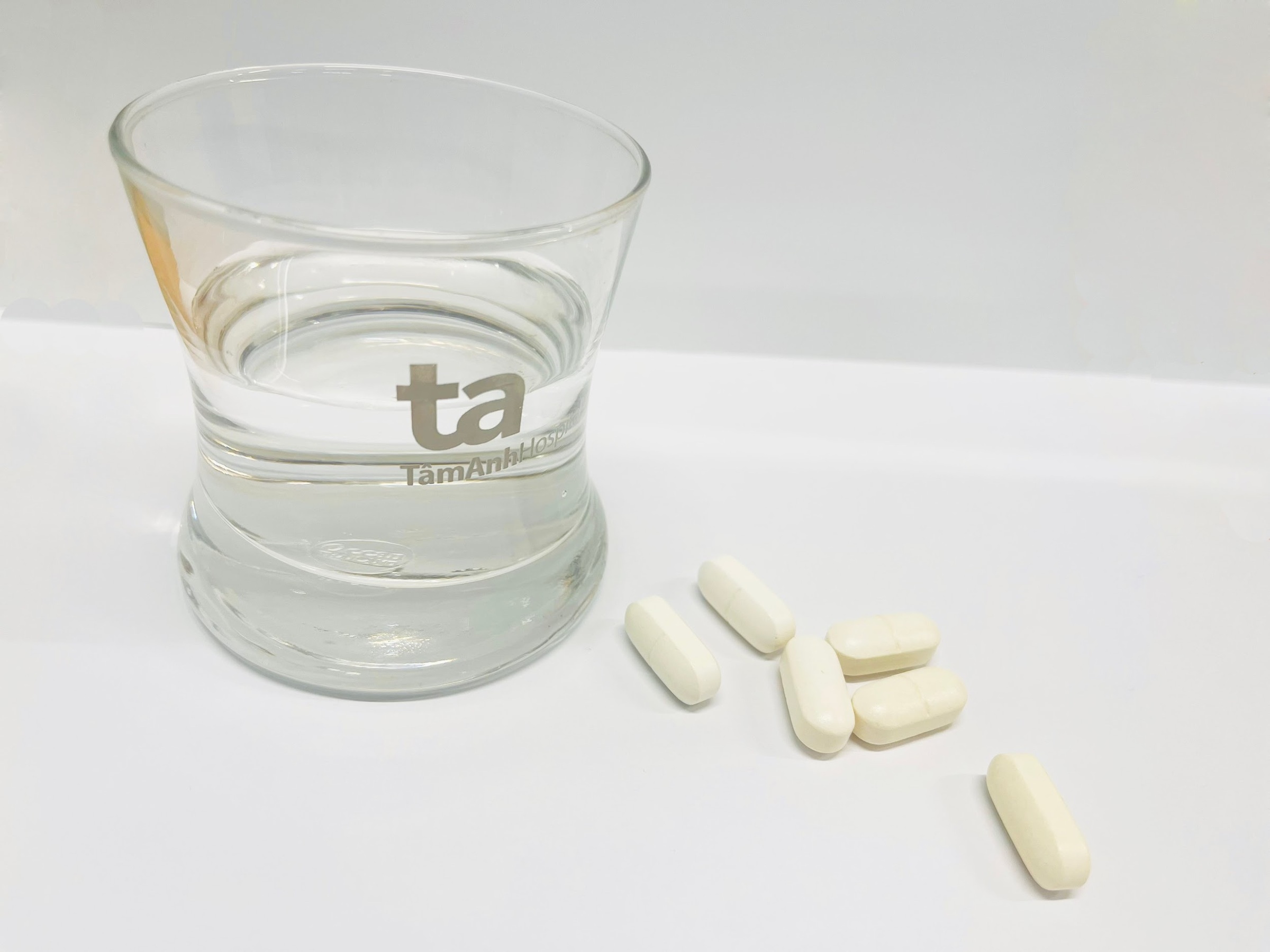 |
Patients must adhere to their prescriptions and not arbitrarily change doses or stop medication without medical instruction. Photo: Tam Anh General Hospital |
Patients must adhere to their prescriptions and not arbitrarily change doses or stop medication without medical instruction. Photo: Tam Anh General Hospital
Stopping medication early or self-altering doses is a frequent issue. Many patients, upon noticing an improvement in symptoms, unilaterally stop or reduce their medication without consulting their doctor. Others follow anecdotal advice, increasing doses or switching medications, leading to numerous risks. Most individuals with cardiovascular conditions such as hypertension, coronary artery disease, heart failure, or arrhythmias require long-term, continuous treatment. Abruptly stopping medication or changing doses without proper instruction can cause blood pressure to rise again, arrhythmias to recur, or heart failure to worsen.
Failing to attend regular follow-up appointments is also problematic. Most cardiovascular medications necessitate periodic monitoring through blood pressure measurements, heart rate checks, and blood tests. These parameters help doctors assess treatment effectiveness, detect side effects early, and adjust doses appropriately. When patients miss follow-up appointments or arbitrarily extend old prescriptions, doctors lack updated data on their cardiovascular status. This can result in missed complications or a failure to detect changes that require timely intervention.
Patients should keep a complete record of all medications they are taking and provide this information to their doctor at each visit. Using a daily pill organizer or a reminder application on a phone can help prevent missed doses. Additionally, patients should ask their doctor about potential interactions between their medications and foods or beverages.
Ly Nguyen
| Readers can submit questions about cardiovascular health here for doctors to answer |