On 26/7, Dr. Mai Trong Tri, a Level 2 Specialist from the Endocrinology Department at Nhan Dan 115 Hospital, reported that a patient with a history of type 2 diabetes was admitted suffering from continuous fatigue and vomiting. For over a month, she had been drinking 1,5-2 liters of juice daily, made from oranges, grapefruits, watermelons, and carrots, in place of water. Her intention was to "detoxify her body" and supplement vitamins.
Lab results revealed the patient's blood sugar was nearly 1,000 mg/dL, approximately 10 times higher than normal. Her HbA1c level reached 14,5%, 3-4 times higher than normal, indicating prolonged uncontrolled blood sugar. The patient also developed two acute complications: diabetic ketoacidosis and hyperosmolar hyperglycemic state, both potentially life-threatening if not immediately treated.
Doctors administered fluid replacement, intravenous insulin, electrolyte adjustments, and intensive monitoring. After 5 days of treatment, the patient's condition improved, with more stable blood sugar, a return to eating, and reduced fatigue and thirst.
According to Dr. Tri, during hot seasons, many people consume fruit juices, traditional herbal drinks, or sugarcane juice to quench their thirst, believing these are healthy beverages. However, for individuals with diabetes, drinking too much of these can lead to a significant intake of sugar.
"For individuals with diabetes, drinking a lot of juice is akin to 'adding fuel to the fire', causing blood sugar to surge and easily leading to dangerous acute complications in a short time", the doctor stated.
He explained that while fresh fruit contains many vitamins and fiber, juicing removes or breaks down most of the fiber. The sugar in fruit becomes "free sugar", which is rapidly absorbed into the bloodstream, causing a sudden rise in blood sugar. Concurrently, the loss of fiber reduces feelings of fullness, making it easy for individuals to consume large amounts of carbohydrates and energy without realizing it.
According to the doctor, plain water is the most suitable choice for quenching thirst and maintaining metabolic balance. Meanwhile, many types of juice contain significant amounts of sugar even without added sugar. For instance, a 400 ml glass of apple juice contains approximately 40 g of sugar, orange juice about 33 g, and carrot juice about 16 g. Sugarcane juice alone can contain around 60 g of sugar in 400 ml, equivalent to about 12 sugar cubes.
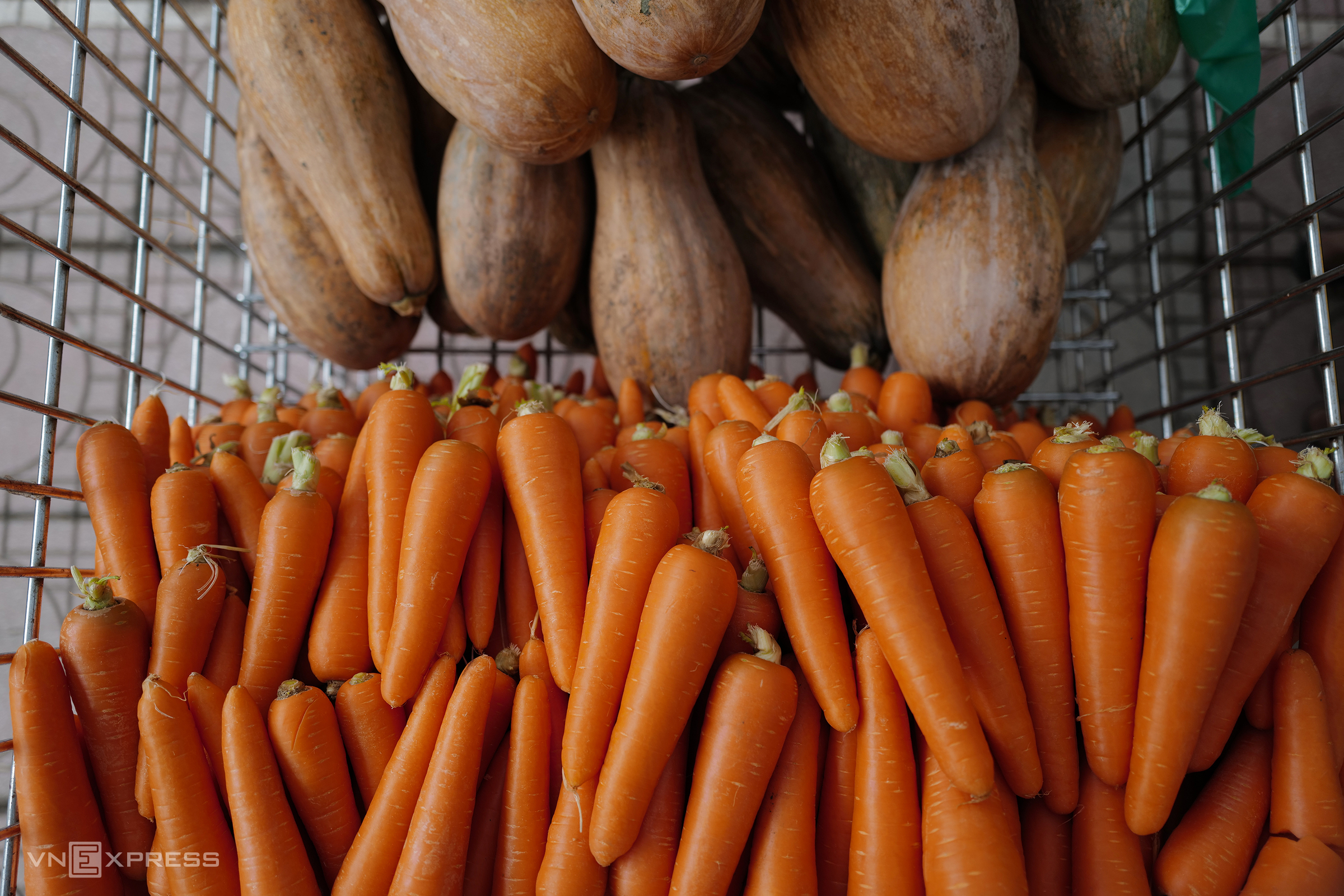 |
Many types of juice contain significant amounts of sugar even without added sugar. *Photo: Ngoc Thanh* |
Individuals with diabetes are advised to prioritize eating whole fruit segments or pieces to benefit from natural fiber, which helps slow down sugar absorption. Juice should not be used as a substitute for water. Even with fresh fruit, patients need to control their portion sizes according to the guidance of a doctor or nutritionist.
Some fruits have a relatively low sugar index and are more suitable when consumed in appropriate amounts, such as: apples, pears, grapefruits, whole oranges, guavas, plums, peaches, apricots, kiwis, and pomegranates. Conversely, sweet fruits like ripe mangoes, jackfruits, longans, lychees, durians, very ripe bananas, watermelons, sweet grapes, sapodillas, and dried fruits require strict portion control. Dried fruits, in particular, have concentrated sugar; even a small handful can be equivalent to multiple servings of fresh fruit.
The doctor advised patients to eat fruit as a snack, avoid consuming too much at once, and monitor blood sugar after meals to understand their body's response. Choosing appropriate fruits, consuming correct portions, combined with a treatment regimen and a healthy lifestyle, will help effectively control blood sugar and reduce the risk of complications.
Le Phuong