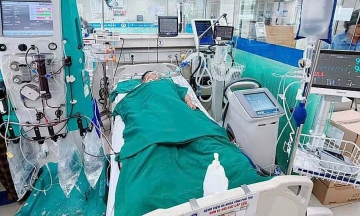
Smoking thuoc lao carries a high risk of lung cancer, comparable to cigarette smoking. Thuoc lao smoke contains many toxic chemicals, such as: nicotine, carbon monoxide (CO), and benzene. When smokers inhale deeply, they inadvertently draw a large amount of harmful substances deep into their respiratory tract, directly damaging bronchial epithelial cells. Long-term accumulation of these substances can cause lung cells to undergo gene changes, leading to the formation of malignant tumors.
Since you have smoked thuoc lao for over 20 years, you should undergo lung cancer screening as advised by a doctor, even if you have no symptoms. This is because early-stage lung cancer symptoms are often subtle. By the time obvious signs like coughing up blood or unexplained weight loss appear, the disease has often progressed to a late stage.
For long-term smokers, doctors recommend specialized screening using modern methods such as low-dose lung CT scans. In cases requiring more detailed examination, patients may be prescribed whole-body PET/CT scans to assess cellular metabolism, helping to clearly distinguish between benign and malignant lesions; fluorescent bronchoscopy to evaluate mucosal surface lesions; or needle biopsies. Depending on clinical examination results, smoking history, and associated risk factors, doctors will recommend a personalized screening plan.
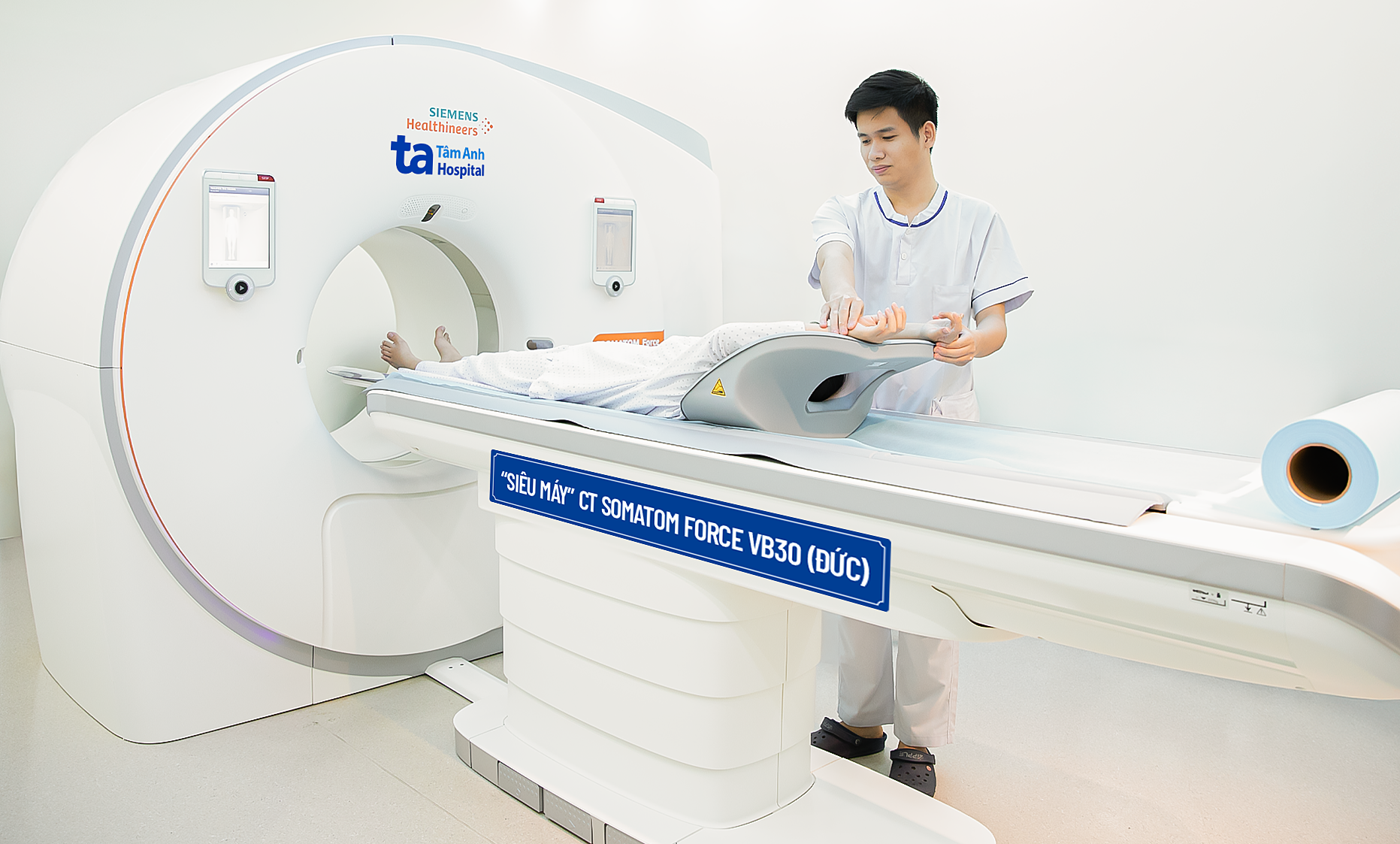 |
The Somatom Force VB30 CT machine (Germany) captures over 100,000 slices, helping to detect the smallest lesions in the lungs. Photo: Tam Anh General Hospital
In addition to screening, to protect your lungs, you need to quit both cigarettes and thuoc lao. Once you quit, your body will gradually eliminate accumulated toxins, reducing inflammation in the airways. You should also adopt a diet rich in antioxidants and combine it with light exercise to boost your immune system, helping your lungs recover better.
Individuals who have smoked or are currently smoking should seek medical attention if they experience a cough lasting over three weeks, coughing up blood, dull chest pain, difficulty breathing during exertion, persistent fatigue, or weight loss. Regular screening helps doctors detect cancer at an early, localized stage, allowing for the selection of appropriate treatments to preserve healthy lung tissue and improve patients' quality of life.
Associate Professor, Doctor Vu Huu Vinh
Director of the Thoracic - Vascular Surgery Center
Tam Anh General Hospital TP HCM
| Readers can submit questions about cancer here for doctors to answer |