Answer:
Giant freshwater prawns are a nutritious food enjoyed by many, but they can easily cause allergies, abdominal pain, and diarrhea in some individuals. This is because prawns contain various proteins, which can trigger an overreaction in the body, leading to antibody production. Allergic reactions often manifest as itching, widespread hives, swollen lips and eyes, diarrhea, and stomach pain. More severe cases can involve difficulty breathing, cyanosis, anaphylactic shock, and low blood pressure, posing a life-threatening risk. Your child should limit consumption, and if an allergic reaction occurs, seek medical attention promptly.
Regarding the HPV vaccine, children can absolutely receive it. Vaccination should only be postponed if the child has a history of severe allergic reaction (anaphylaxis) to a vaccine component, is experiencing a high fever, or has an acute infection. If the child's health is being monitored due to a shrimp allergy, it is advisable to wait until their condition improves before vaccination.
Before vaccination, the child needs a screening examination by a doctor. You must provide complete information about their health status, the nature of their shrimp allergy, and any medications they are currently taking. This allows the doctor to determine the appropriate vaccination. Children should avoid eating shrimp before and after vaccination, as the food could cause allergic symptoms that are difficult to distinguish from either the food itself or a vaccine reaction.
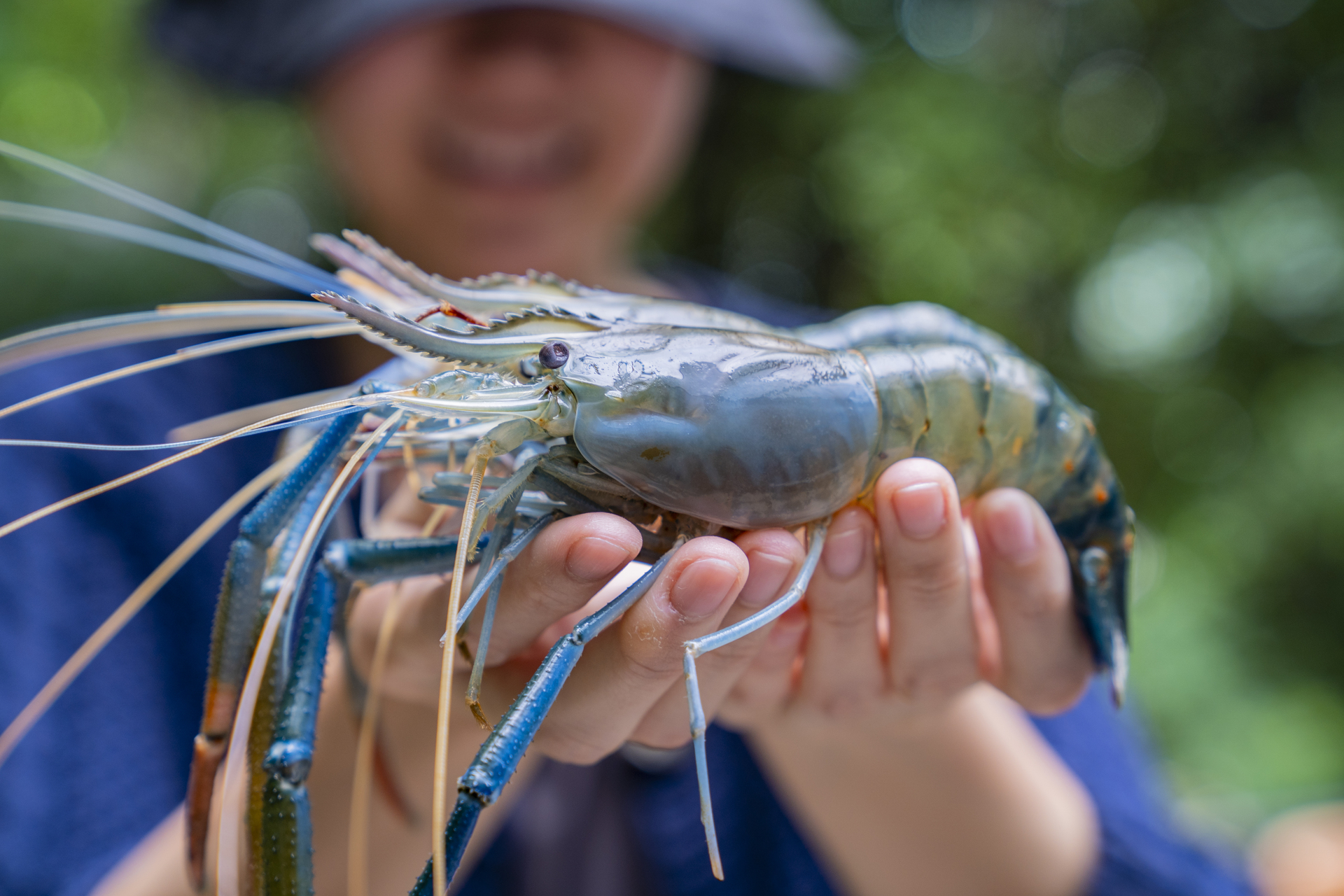 |
Children allergic to giant freshwater prawns can definitely get the HPV vaccine to prevent diseases caused by this virus. Photo: Vecteezy |
HPV, or human papillomavirus, encompasses nearly 200 different virus types. More than 40 of these types are easily transmitted through sexual contact and skin-to-skin contact in both males and females. Two types, 6 and 11, primarily cause genital warts, while 15 high-risk types can lead to cancers of the cervix, vulva, vagina, oropharynx, and anus.
HPV vaccination is a preventive measure against infection and diseases caused by this virus in both males and females. The optimal age for vaccination is between 9 and 14 years old. This age group is often not yet infected with the virus, develops a strong antibody response after vaccination, and requires only two doses, which helps reduce costs.
Currently, two HPV vaccines are available in Vietnam. Gardasil 9 protects against 9 virus types: 6, 11, 16, 18, 31, 33, 45, 52, and 58. This vaccine is administered to both males and females aged 9-45 years. Children aged 9 to under 15 years receive two doses, administered 6-12 months apart. Individuals aged 15 to 45 years receive three doses, administered 6 months apart. Your 13-year-old son will receive two doses.
Dr. Phan Nguyen Truong Giang
Medical Manager, VNVC Vaccination System
Readers can submit vaccine-related questions for a doctor to answer here.