Stroke often occurs suddenly, but underlying vascular damage and risk factors can develop silently over extended periods. Individuals with high blood pressure, diabetes, dyslipidemia, overweight, obesity, or a family history of stroke are at higher risk.
For screening, modern CT systems, such as 100,000-slice CT scanners, provide detailed images of cerebral blood vessels. This allows doctors to assess abnormalities such as: narrowing, blockages, aneurysms, or minor wall lesions early. Integrated artificial intelligence (AI) technology enhances image processing, creating sharp visuals that facilitate doctor analysis. This helps identify signs related to atherosclerosis, vascular structural abnormalities, and aneurysms. Early detection of these lesions offers patients the opportunity for monitoring, treatment, and early risk factor control, contributing to stroke prevention.
CT systems also provide information on blood flow in different brain regions, perfusion status, and areas with reduced perfusion. This data, combined with symptoms, underlying conditions, and risk factors, assists doctors in assessing cerebral circulation and stroke risk for individual patients.
CT scanning is a crucial imaging method for evaluating the brain and blood vessels. In emergency stroke cases, a CT scan helps doctors detect brain hemorrhage, hematomas, or signs of acute brain damage, aiding in treatment decisions.
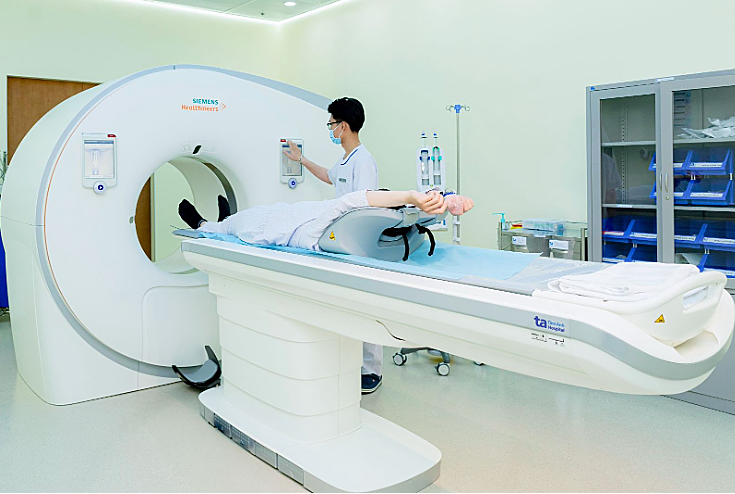 |
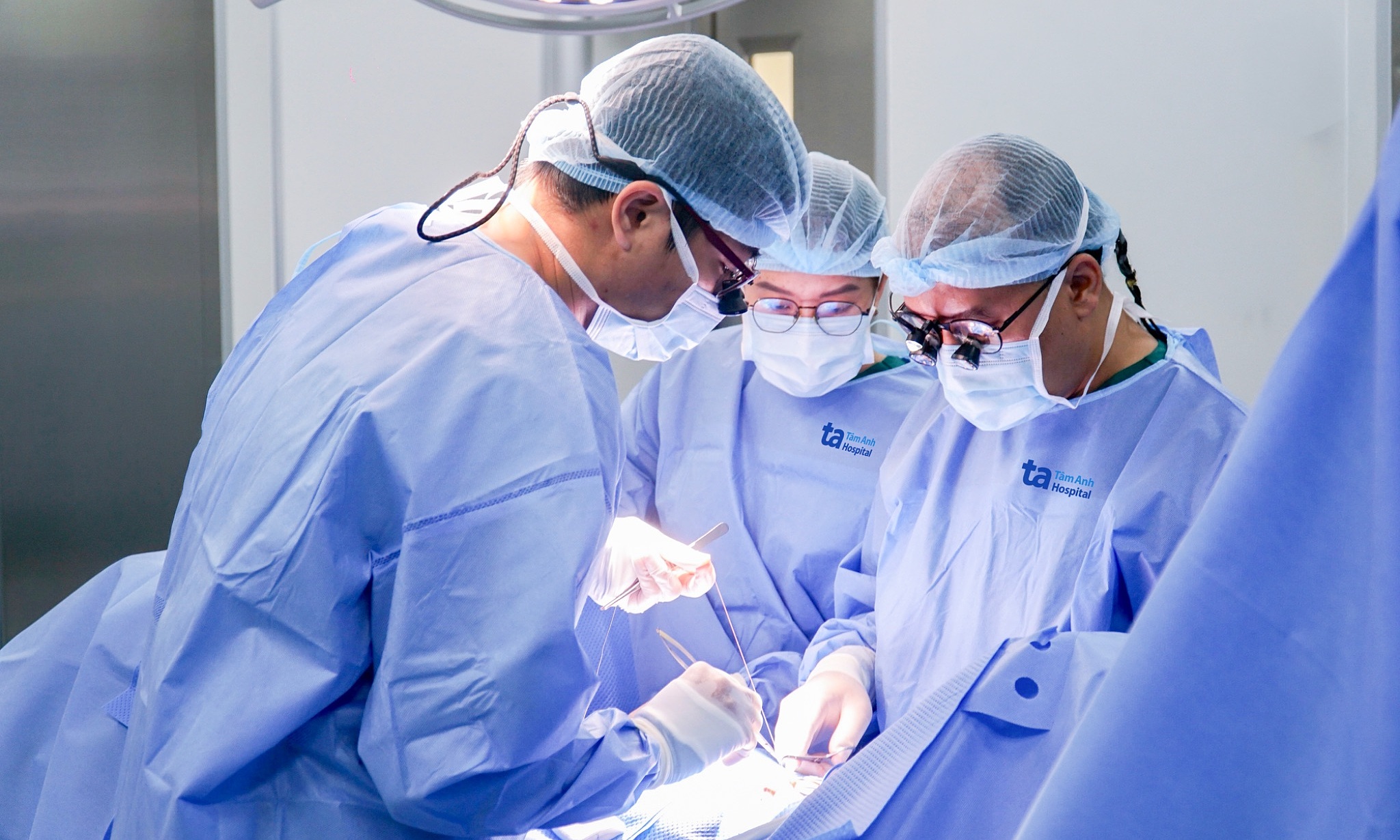
A 100,000-slice CT scan, integrated with AI, uses low radiation doses and high speed to detect early stroke risks. *Photo: Tam Anh General Clinic District 7*
For comprehensive stroke screening, patients require a full review of risk factors and essential tests, including: blood pressure, blood sugar, blood lipids, and electrocardiogram (ECG). Doctors also inquire about smoking history, alcohol consumption, diet, activity levels, overweight or obesity status, and related underlying medical conditions.
During examination, doctors may order a CT scan, brain MRI, angiography, or other methods for appropriate assessment, depending on age, underlying conditions, symptoms, and family history.
Given your prolonged high blood pressure, headaches, and transient dizziness, you should visit a hospital with a neurology department for a doctor's examination to determine the cause. If sudden symptoms appear, such as: facial drooping, limb weakness or paralysis, difficulty speaking, blurred vision, loss of balance, or altered consciousness, seek emergency stroke care immediately.
Dr. Tran Le Thanh Tam
Head of Neurology Department
Tam Anh General Clinic District 7
| Readers can submit questions about neurological conditions here for a doctor's response. |