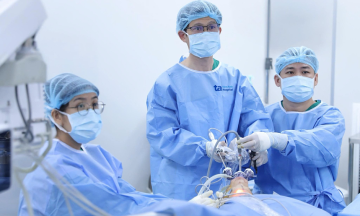
Phau thuat robot, specifically using the Da Vinci Xi system, may be a viable option for your lung tumor, Minh Anh, despite its challenging location near the hilum and major blood vessels. However, to confirm suitability, specialized tests such as low-dose CT scans, PET-CT, or biopsies are necessary to fully assess the tumor's characteristics. Based on these results, doctors will determine the most effective treatment strategy.
The lung hilum is a complex area containing vital and sensitive anatomical structures, including the pulmonary artery, pulmonary vein, and bronchial system. A tumor located close to these large blood vessels significantly increases the risk of bleeding during surgery and can damage surrounding healthy lung tissue. Traditionally, doctors determine surgical approaches based on the tumor's location, size, and stage. For tumors near the hilum, mediastinum, or lung apex, open surgery typically requires a large incision and extensive chest intervention, leading to considerable post-operative pain and slow recovery for patients.
The Da Vinci Xi robotic system offers a solution to these challenges. Its arms provide 540-degree flexible movement, and a 3D camera magnifies images 10 to 15 times, giving surgeons a clear view of even the smallest nerves and blood vessels in the lung hilum. This precision allows the robot to navigate narrow spaces within the chest, meticulously dissecting the tumor and thoroughly clearing lymph nodes without damaging adjacent structures.
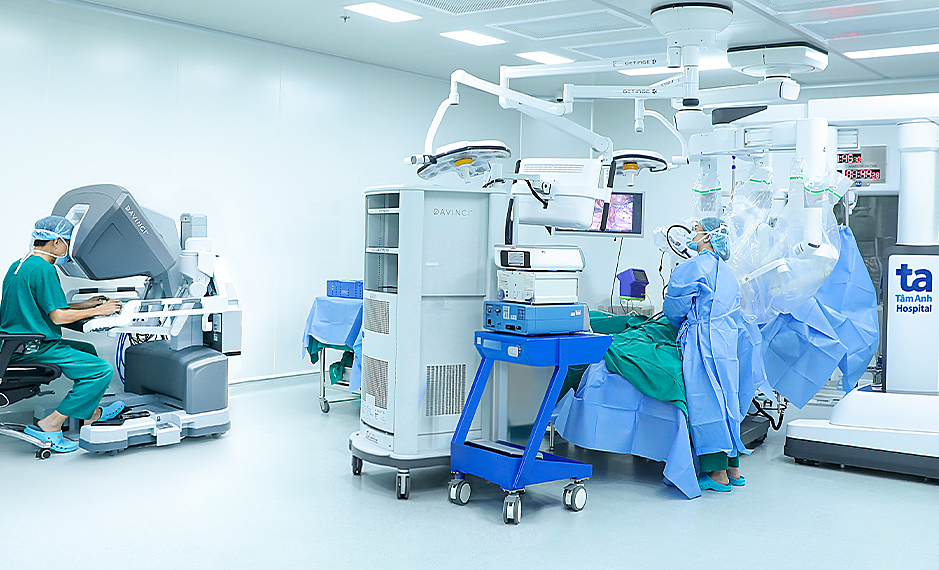 |
Associate Professor Vinh operates the Da Vinci Xi robot to remove a lung tumor. Photo: Tam Anh General Hospital |
Robot-assisted surgery also reduces blood loss and the risk of post-operative complications such as pleural effusion or pneumothorax. With incisions typically only one to two centimeters on the chest wall, patients experience less pain, can mobilize early on the first day after surgery, and have a shorter hospital stay compared to traditional open surgery.
Following surgery, patients must adhere to a regimen of respiratory physical therapy and attend regular follow-up appointments to monitor lung function. It is crucial to avoid tobacco smoke and environmental pollutants to protect the lungs after treatment.
Associate Professor, Doctor Vu Huu Vinh
Director, Thoracic - Vascular Surgery Center
Tam Anh General Hospital, TP HCM
| Readers can submit questions about cancer here for doctors to answer. |