Answer:
Headaches are a common symptom with various potential causes, including insomnia, stress, vestibular disorders, weather changes, or excessive consumption of alcohol, coffee, and stimulants. If headaches recur, accompanied by dizziness, a heavy sensation in the head, and reduced concentration, they could indicate cerebral ischemia.
Cerebral ischemia occurs when the blood supply to the brain decreases, preventing nerve cells from receiving sufficient oxygen, glucose, and essential nutrients for normal function. Headaches caused by cerebral ischemia initially manifest as sharp throbbing sensations in one area of the head, then spread throughout, feeling like a dull ache or a heavy pressure. Patients often report a heavy feeling in their head when moving or engaging in intense thought.
Atherosclerosis is one of the leading causes of cerebral ischemia. This condition develops when an increase in free radicals disrupts function and damages the vascular endothelium. LDL-cholesterol then infiltrates the vessel walls, leading to the formation of atherosclerotic plaques, which narrow the blood vessels and impede blood flow to the brain.
Medical conditions such as hypertension, diabetes, and dyslipidemia can also damage blood vessel walls, progressively reducing the blood supply to the brain and increasing the risk of cerebral ischemia and headaches.
 |
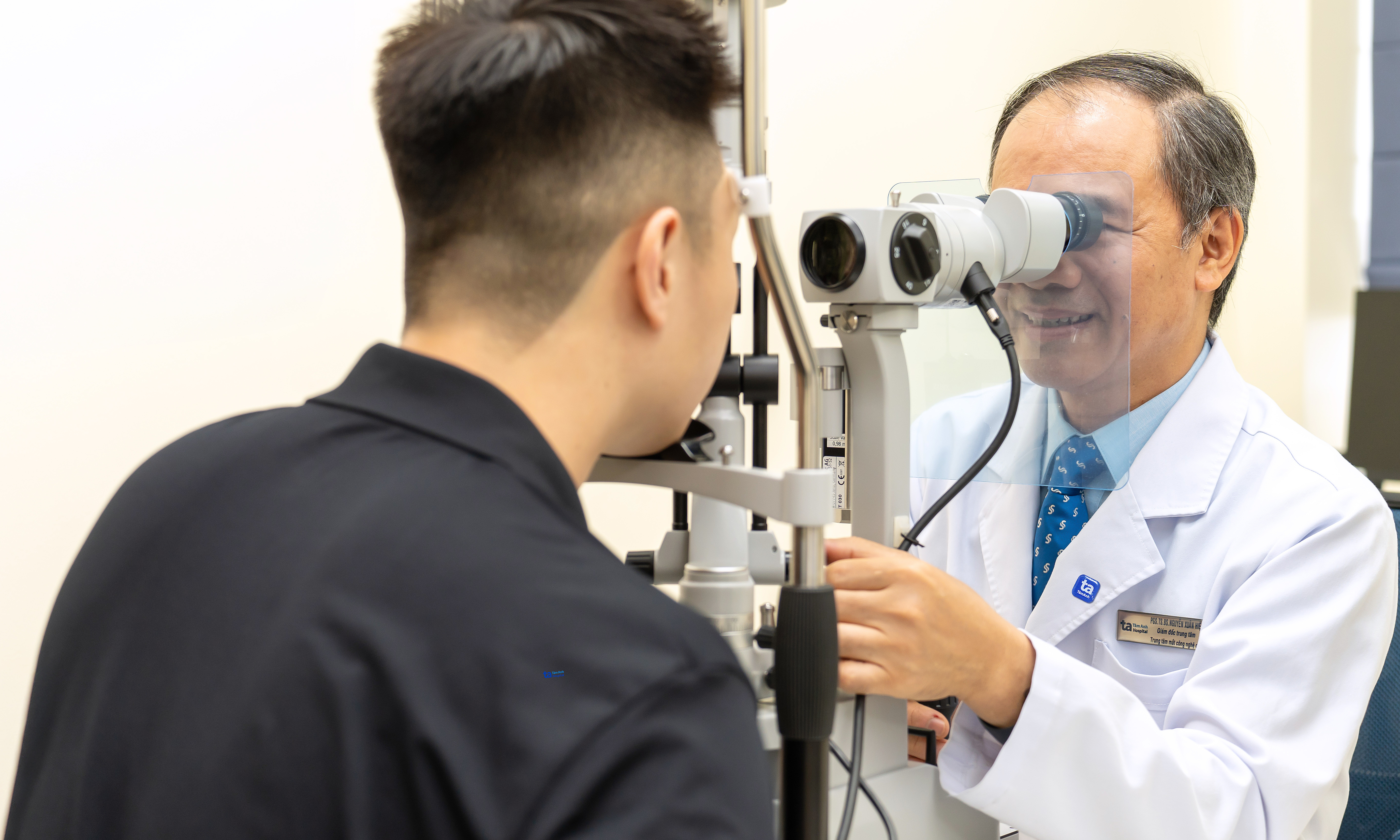
A doctor at Tam Anh General Hospital examines a patient. Illustration: Provided by the hospital |
A doctor at Tam Anh General Hospital examines a patient. Illustration: Provided by the hospital
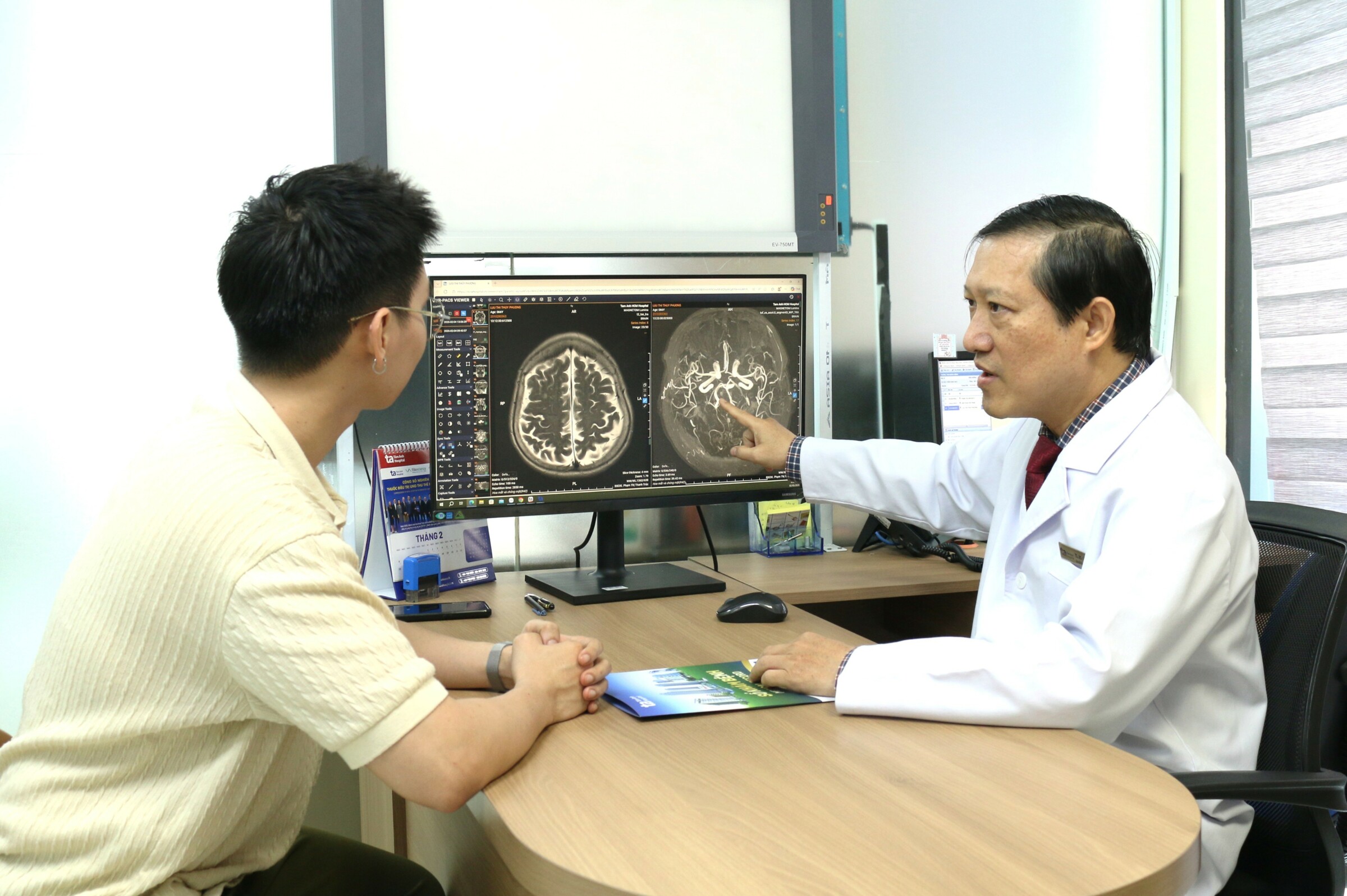
To prevent headaches caused by cerebral ischemia, it is advisable to adopt a healthy lifestyle, manage stress, and ensure adequate sleep. If headaches occur frequently, do not subside with common pain relievers, or are accompanied by symptoms like dizziness, numbness or weakness in limbs, or blurred vision, a medical examination is recommended for proper diagnosis and treatment.
Consider regularly supplementing with a natural extract blend of blueberry and ginkgo biloba to help neutralize free radicals and reduce headaches associated with cerebral ischemia. These active compounds are rich in antioxidants like anthocyanins and pterostilbene, which contribute to vasodilation, reduce inflammatory responses, protect vessel walls, and enhance blood flow to the brain.
Doctor Hoang Quyet Tien
Medical Information Center
Tam Anh General Hospital, TP HCM
| Readers can ask questions about neurological diseases here for doctors to answer |