Balut, a nutritious dish rich in protein, fat, iron, and vitamins, also contains a significant amount of calories and cholesterol. Doctor Le Thi Huong Giang, Head of the Department of Dietetics and Nutrition at Hospital 19-8 (Ministry of Public Security), states that one balut egg provides 180 calories, comparable to a bowl of rice. It also contains about 600mg of cholesterol, approximately three times that of a chicken egg.
Excessive consumption of balut can harm cardiovascular health. The American Heart Association advises individuals at risk of heart disease to closely monitor their cholesterol intake. For the elderly with pre-existing conditions like hypertension, dyslipidemia, or atherosclerosis, overeating balut may significantly increase metabolic strain.
Balut also contains a high amount of vitamin A. If consumed in excess and continuously, the body may not excrete it quickly enough, leading to accumulation in the liver. This can cause liver toxicity, resulting in fatigue and even jaundice.
The common practice of eating balut with salty pepper seasoning inadvertently increases sodium intake. According to the World Health Organization (WHO), excess salt is a silent trigger for hypertension and impaired kidney function. Furthermore, balut's concentrated protein and lipid content can lead to bloating and indigestion.
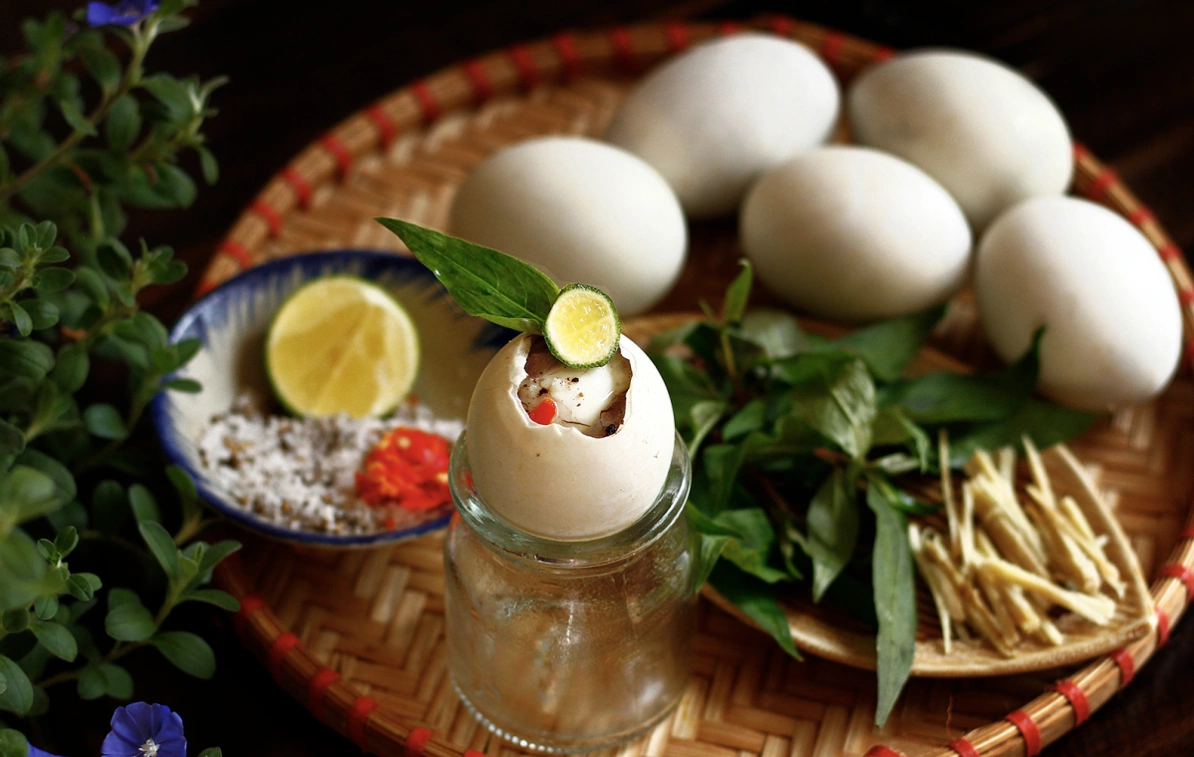 |
Photo: Bui Thuy
Doctors recommend that three groups limit their consumption of balut:
- Children under five years old: Their digestive systems are not fully developed, and the high protein and fat content in balut can cause bloating, digestive disorders, and diarrhea.
- Pregnant women: They should avoid consuming too much rau ram (Vietnamese coriander) with balut, as it may stimulate uterine contractions, posing a risk to the fetus.
- Individuals with gout or high uric acid levels: They should also restrict their intake.
Healthy adults should consume a maximum of two balut eggs per week. The elderly and individuals with underlying conditions such as cardiovascular disease or diabetes should limit their intake to one egg per week, ideally consumed in smaller portions to aid gradual absorption. The best time to eat balut is in the morning or at noon, avoiding consumption after 7 PM.
Thuy An