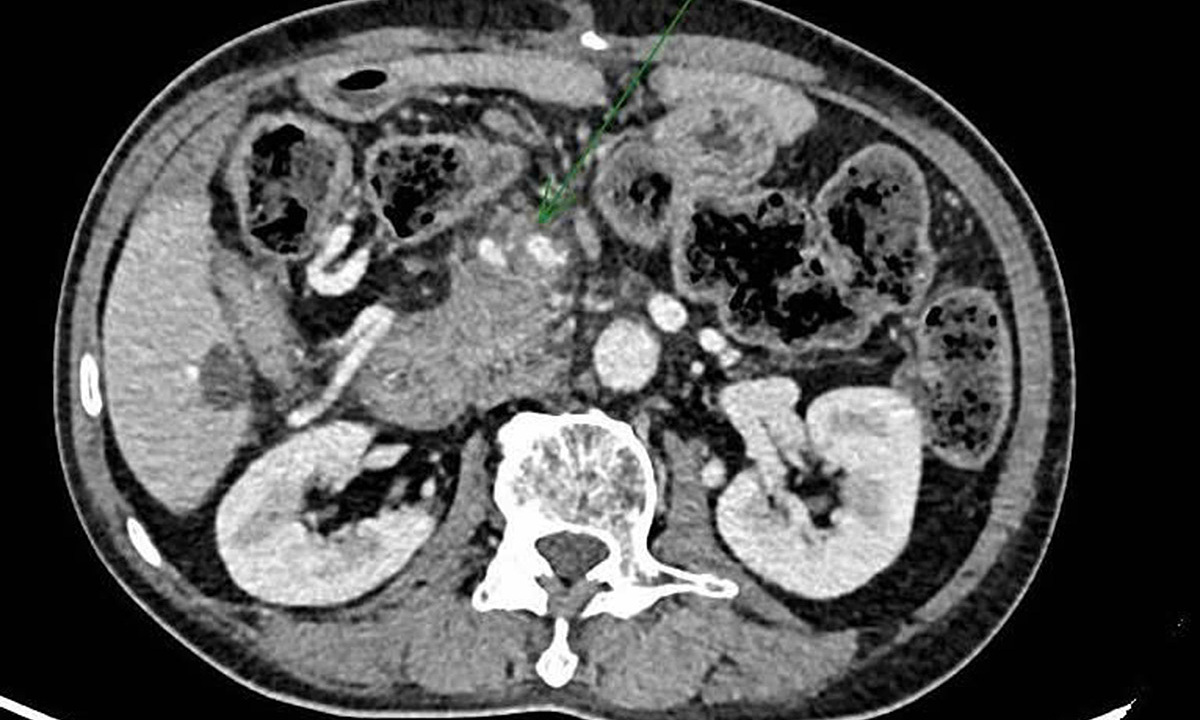
Taiwan currently has approximately 2 million people living with chronic kidney disease, where daily eating habits profoundly affect the health of this vital organ. According to Doctor Hung Yung-hsiang, a nephrologist with over 20 years of experience, many common Taiwanese breakfast foods such as porridge, white rice, white noodles, and white bread pose a risk of harm to individuals with impaired kidney function. Among these, porridge is the most dangerous food, as long-term consumption accelerates kidney degradation.
Appearing on the television program "The Big Bang: The Little Universe", Doctor Hung explained that porridge is essentially just sugar water. Many people habitually eat porridge with pork floss (ruoc), inadvertently creating a combination of high carbohydrates and ultra-processed food, which places immense pressure on the kidneys. To illustrate the consequences of this erroneous diet, he provided an example: if an individual with weak kidneys eats the wrong breakfast for 20 years (from 20 to 40 years old), their rate of kidney function decline will be twice as fast as a normal person's. In other words, by 40 years old, that person's kidney function would be as damaged and aged as an 80-year-old's.
 |
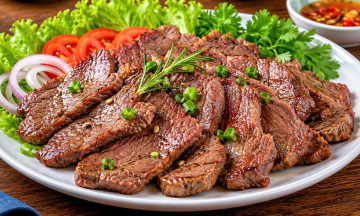
Illustration: DCDC.
Doctor Hung recounted treating a 62-year-old engineer whose glomerular filtration rate (GFR) score at the time of examination was only 28, indicating that the patient had fallen into stage 4 chronic kidney failure and faced a high risk of needing dialysis. Upon reviewing his medical history, the doctor discovered that this patient consistently ate white bread with peanut butter and high-protein milk for breakfast. While this might be considered a healthy combination for normal individuals, for a patient with poor glomerular filtration, this carbohydrate, phosphorus, and protein-rich formula significantly increased the burden on his kidneys. After adjusting his breakfast menu within just three months, the patient's GFR improved to 48, helping him temporarily escape the threat of dialysis.
In a post on his personal page, Doctor Hung shared a kidney-protective breakfast menu based on two core principles. First, patients must strictly avoid refined carbohydrates such as porridge, white rice, noodles, or white bread, opting instead for more nutritious foods. Second, kidney patients must especially prioritize fiber intake. The reason is that when kidney function declines, accumulated urea toxins disrupt the gut microbiota and destroy the intestinal protective barrier. At this point, sufficient fiber helps bind and collect metabolic waste for excretion, thereby maintaining a healthy digestive system.
However, individuals with kidney disease must pay special attention to potassium intake when consuming fiber. The expert recommends that patients should eat at least three portions of fiber for breakfast, prioritizing mild vegetables like loofah, winter melon, or boiled leafy greens. The core secret lies in the preparation method: boiling vegetables in water for three to five minutes and then draining the water removes over 50% of the potassium ions attached to the vegetables. This simple trick allows kidney patients to comfortably consume sufficient fiber to protect their intestines without worrying about adverse effects on kidney filtration function.
Binh Minh (Source: Citinews)