Answer:
Research indicates that honey contains antioxidants like flavonoids, phenolic acids, and ascorbic acid, which offer antibacterial properties, reduce respiratory inflammation, alleviate coughs, and boost immunity. Male papaya flowers contain vitamins A, B1, C, carbohydrates, protein, tannins, antioxidants, and minerals. This flower is used in many traditional Eastern medicine remedies, including those for frequent and prolonged coughs.
While the folk remedy of honey-soaked male papaya flowers is widespread, its use requires professional medical guidance. Honey, primarily composed of glucose and fructose, can elevate blood sugar levels. Moreover, honey's ability to moisten the lungs and treat coughs is suitable for dry coughs but not for those with phlegm. Male papaya flowers have several side effects, particularly for pregnant women, children, individuals with a cold constitution, or those prone to stomach chills and diarrhea. There have been cases where adults experienced a 1,000-fold increase in liver enzymes due to self-administering honey-soaked male papaya flowers for health improvement.
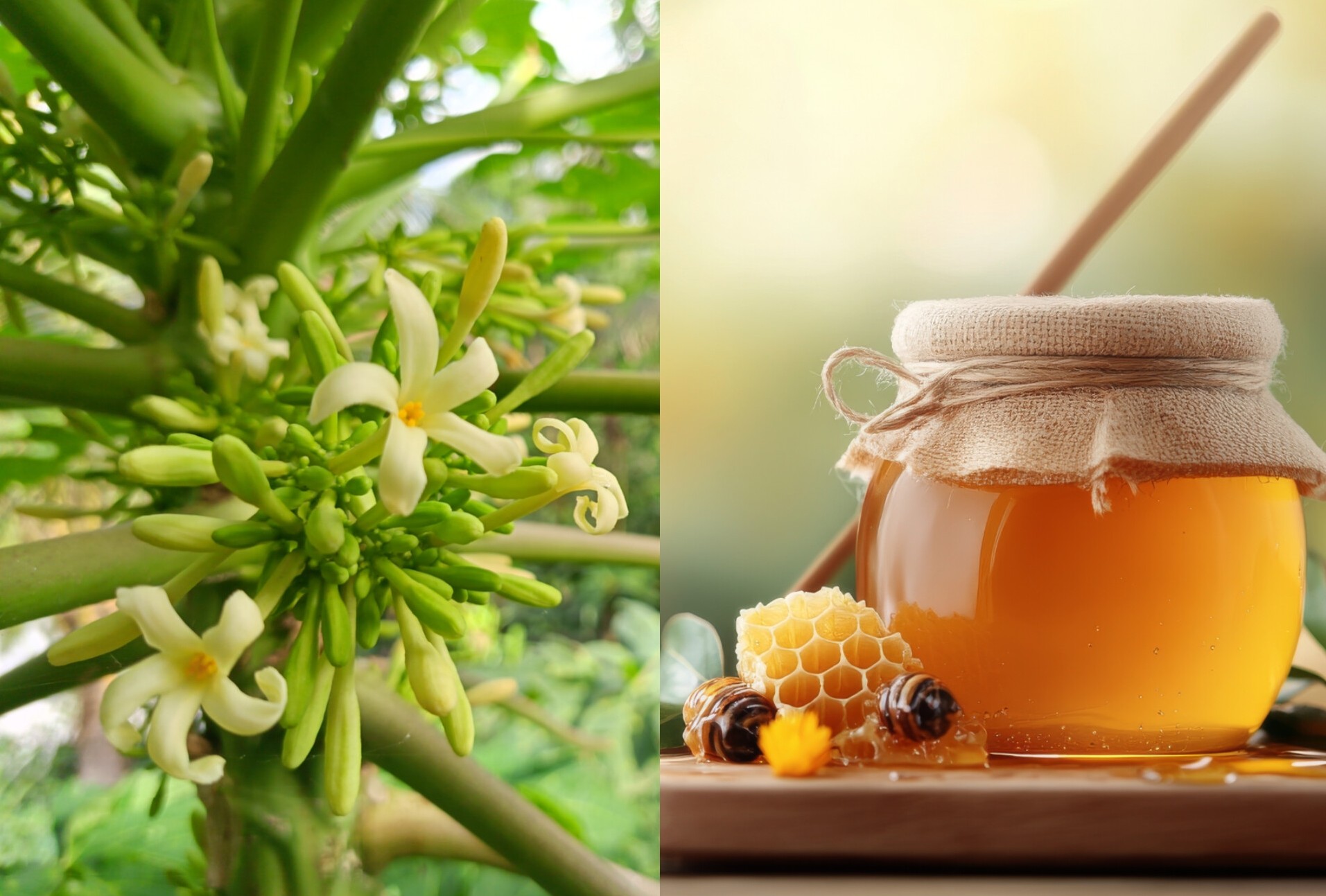 |
Consult a medical professional before using honey-soaked male papaya flowers. Photo: Vecteezy |
Cold, dry winter weather promotes the growth and persistence of viruses and bacteria in the environment. This, combined with weakened immune systems, makes people, especially children and the elderly, susceptible to illness. Air pollution and fine dust also damage the respiratory system, causing coughs. Therefore, if a child's cough persists for over two weeks, parents should take them to a reputable medical facility for examination, diagnosis, and timely treatment.
Everyone should proactively prevent illnesses for both children and the family, especially respiratory diseases during winter. Key measures include: keeping warm, wearing masks outdoors, frequent handwashing, maintaining proper nutrition, staying hydrated, and regular physical activity. Additionally, vaccination is crucial for disease prevention.
Currently, Vietnam offers various vaccines to protect against respiratory pathogens such as influenza, respiratory syncytial virus (RSV), pneumococcus, measles, whooping cough, and meningococcus. These pathogens can lead to severe complications like pneumonia, encephalitis, and sepsis.
For influenza, Vietnam has four types of vaccines available for children aged 6 months and older, as well as adults. Children from 6 months to under 9 years who have not been vaccinated require two doses, administered one month apart. Children aged 9 years and older, along with adults, need one dose. An annual booster shot is necessary to replenish antibodies and address circulating influenza strains.
Regarding RSV, vaccines are available for individuals aged 60 and older, those with underlying health conditions, or pregnant women between 24 and 36 weeks of gestation. Infants up to 24 months old can receive a monoclonal antibody for RSV, introduced by Sanofi.
There are five types of pneumococcal vaccines: pneumococcal 10, pneumococcal 13, pneumococcal 15, pneumococcal 20, and pneumococcal 23. The vaccination schedule depends on age and prior immunization history.
Parents should also ensure that children and all family members receive other essential vaccines to protect their health.
Doctor Doan Thi Khanh Cham
(Medical Manager, VNVC Vaccination System)
Readers can submit vaccine-related questions for a doctor's response here.