Foot calluses are a common condition, particularly among individuals who walk or stand for extended periods, or wear tight or high-heeled shoes. This is the body's protective response when the skin on the soles or toes experiences repeated friction and pressure, causing the stratum corneum (outermost skin layer) to thicken over time. Without proper treatment, calluses can become thicker, causing pain when walking and impacting daily activities.
However, not all calluses can be completely resolved simply by cutting, trimming, or applying topical medications. Many people observe their calluses shrinking after home treatment, only for them to reappear later. Some even develop necrosis due to undiagnosed diabetic foot complications. This occurs because the thickened skin layer is merely an external symptom, while the underlying factors causing friction or pressure persist.
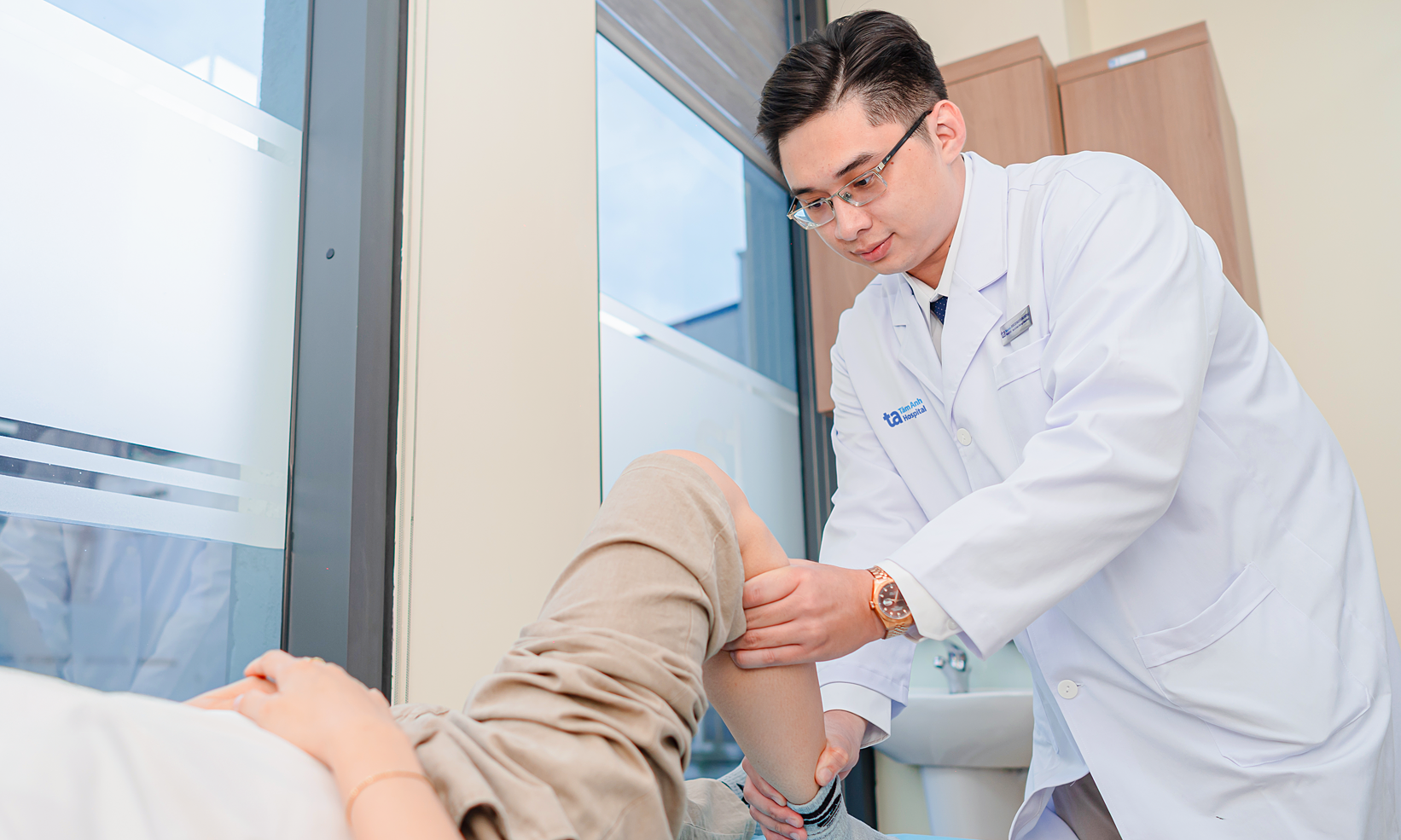
Effective treatment of calluses requires accurately identifying their underlying cause. Patients should consult a doctor for examination. The doctor will assess the lesion's location, the degree of thickening, pain while walking, and factors increasing foot pressure, such as ill-fitting shoes, structural foot abnormalities, or occupations requiring prolonged standing or walking. They will also consider any underlying conditions like diabetes to ensure appropriate treatment.
If it is a simple callus unrelated to other conditions, the doctor may recommend changing footwear, using pressure-reducing pads, combining topical creams to soften the hardened skin, or removing the callused skin with specialized tools. In reality, many other conditions, such as plantar warts, hyperkeratosis, or certain other skin lesions, present similarly. Self-treatment may be ineffective and even prolong the condition.
For thick, painful, or recurring calluses, doctors may prescribe liquid nitrogen therapy (cryotherapy). This method is relatively quick and minimally invasive, using very low temperatures to target the thickened skin, thereby destroying the damaged tissue in a controlled manner. After treatment, the callused skin gradually dries and peels away as part of the body's natural regeneration process. Depending on the size and thickness of the lesion, multiple treatments may be necessary to achieve the desired outcome.
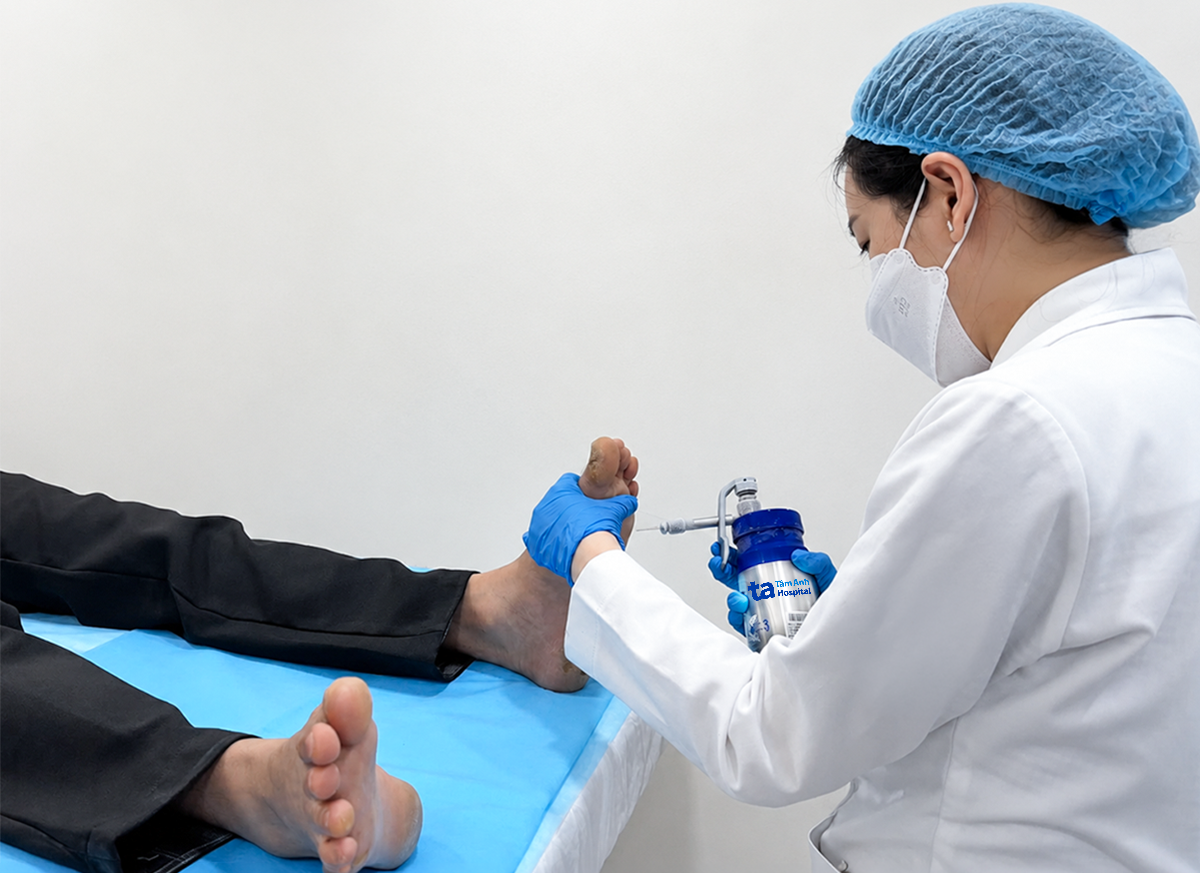 |
Doctor uses liquid nitrogen to treat foot calluses for a patient. Illustration: Tam Anh General Hospital
Patients should not attempt to cut away calluses themselves using razor blades, scissors, or other sharp tools, as this can easily cause bleeding and infection, especially for those with diabetes or peripheral vascular disease. Misusing unverified patches or topical medications can also lead to skin burns, ulcers, or damage to surrounding healthy skin.
To minimize callus recurrence, Mr. Nam should choose well-fitting shoes with soft soles, avoiding prolonged pressure on his feet. Additionally, he needs to keep his foot skin clean, moisturize regularly to prevent cracking, and avoid walking barefoot on hard surfaces for extended periods. If calluses cause pain, increase in size, recur frequently, or affect his mobility, he should seek medical examination for appropriate treatment.
Master of Science, Doctor Vu Thi Thuy Trang
Dermatology - Aesthetic Dermatology Department
Tam Anh General Hospital, Ho Chi Minh City
| Readers can submit questions about dermatological conditions here for a doctor's response. |