Calcium strengthens bones and teeth, and is essential for muscle, nerve, and heart function. However, some individuals face a higher risk of calcium deficiency due to increased bodily demands or reduced absorption.
Unbalanced vegetarian diet
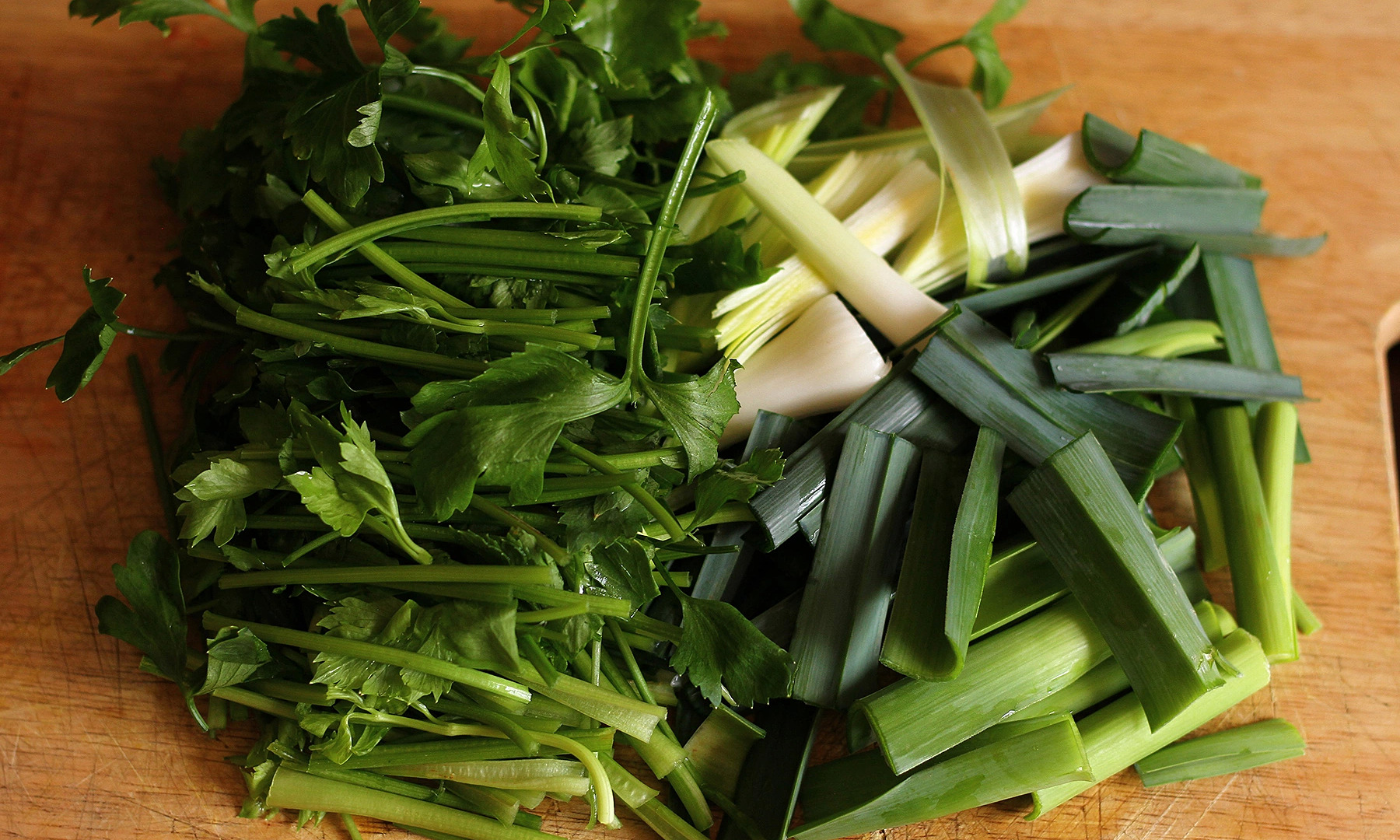
According to WebMD, vegetarians are prone to calcium deficiency due to limiting calcium-rich animal products such as small fish eaten with bones, shrimp, crab, and milk. If not supplemented from alternative sources like tofu, calcium-fortified plant milks, green leafy vegetables, or nuts, their diet may not meet the body's calcium requirements.
Prolonged calcium deficiency forces the body to draw calcium from bones to sustain essential functions like muscle contraction and nerve transmission, weakening bones and increasing the risk of osteoporosis and fractures.
 |
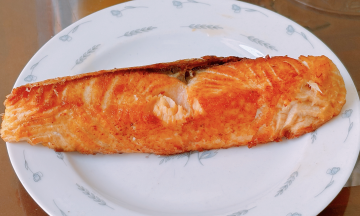
A diverse vegetarian diet helps the body obtain sufficient calcium. Illustration: *Bui Thuy*. |
Pregnancy and breastfeeding
During pregnancy, calcium is vital for the formation and development of the fetus's skeletal and dental systems. Post-birth, the mother's body continues to require significant calcium to produce breast milk for the baby. If the diet does not provide enough, the body will mobilize calcium reserves from the mother's bones to meet these demands. Therefore, pregnant and breastfeeding women need to supplement with sufficient calcium from food or supplements as advised by a doctor to protect both maternal and infant health.
Chronic kidney disease
Kidneys convert vitamin D into a usable form for calcium absorption from food. When kidney function declines, this process is impaired, leading to poor calcium absorption. Chronic kidney disease also disrupts phosphorus balance and bone metabolism-regulating hormones, compelling the body to extract stored calcium from bones to maintain stable blood levels, making bones brittle and prone to fractures.
Lack of sun exposure
Individuals with limited sun exposure are prone to calcium deficiency because the body requires sunlight to produce vitamin D, a nutrient essential for calcium absorption from food. When the skin does not receive enough UVB rays from sunlight, vitamin D production decreases. Consequently, people who spend most of their time indoors, work in offices, cover up extensively when outside, or have minimal sun exposure face an increased risk of calcium deficiency and bone diseases, according to Times of India.
Post-gastric surgery
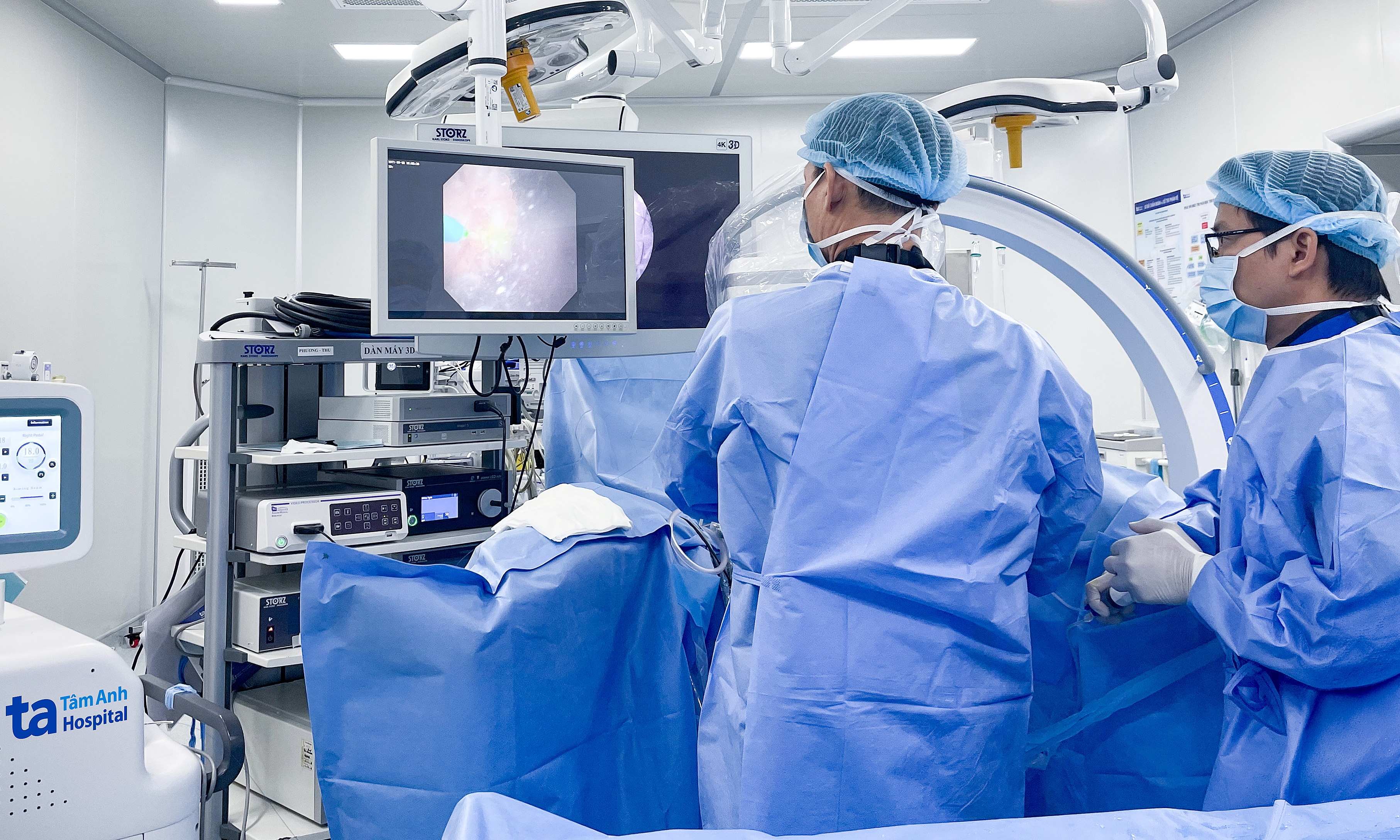
Following partial or total gastrectomy, stomach acid levels decrease, impairing calcium absorption. Certain surgical procedures also alter the structure of the digestive tract, leading to poorer absorption of calcium and various other vitamins and minerals.
Patients often eat less during the recovery phase, which further reduces calcium intake. Individuals who have undergone gastric surgery require nutritional monitoring and calcium and vitamin D supplementation as directed by a doctor.
Le Nguyen (Compiled)
| Readers can send nutrition questions here for doctors to answer. |