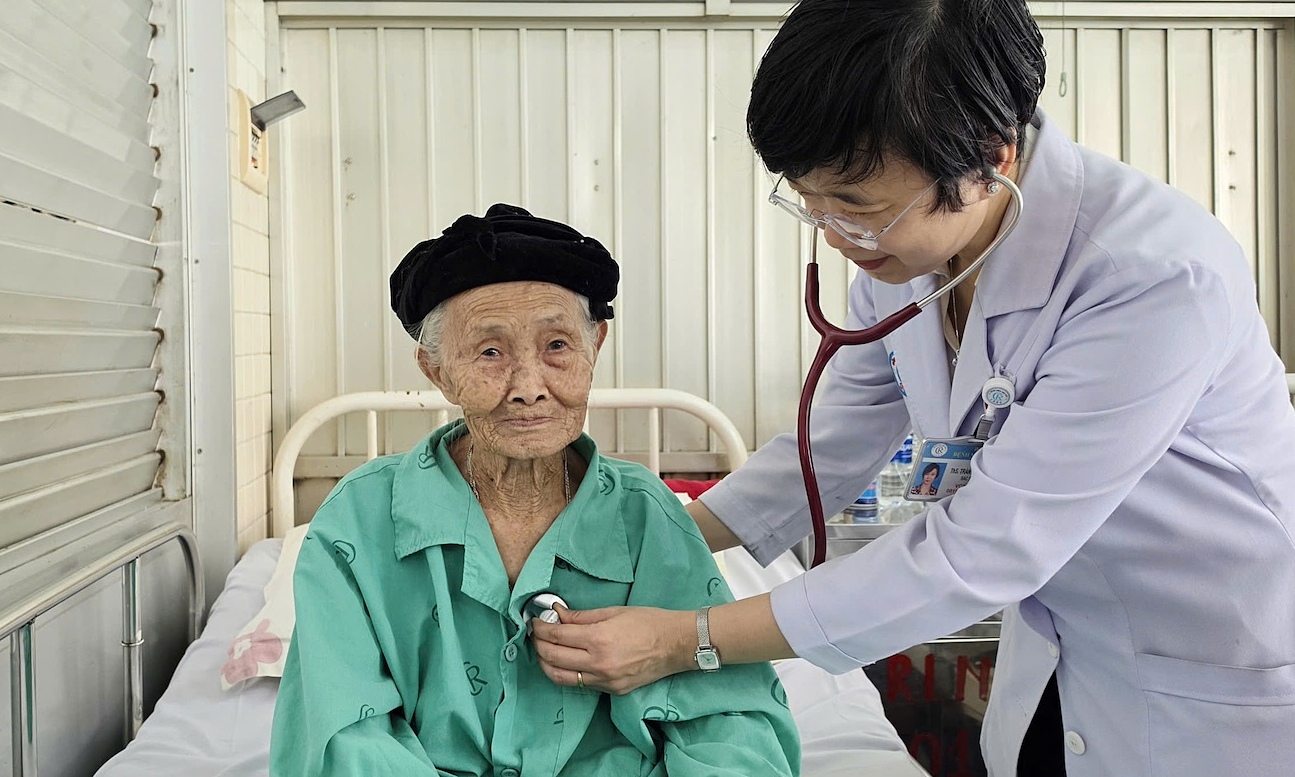
The staff member, who worked in the Administrative Department at Xanh Pon General Hospital, was admitted on 20/9 with symptoms including fever, dizziness, nausea, and lightheadedness. She had a history of hypertension and cerebral cavernous malformation. A specialized medical council confirmed brain death on three separate occasions.
Her family made the decision to donate her organs. Two kidneys were transplanted into two patients at Xanh Pon General Hospital, with one recipient being her nephew. Her liver was transferred to Viet Duc Friendship Hospital for a suitable patient.
Dr. Nguyen Duc Long, Director of Xanh Pon General Hospital, stated that this marks the 6th organ donation from a brain-dead donor at the hospital. The fact that the donor was a hospital employee deeply moved the entire staff.
"Her passing is a loss, but her and her family's gesture is truly wonderful for the hospital and society," Dr. Long said, extending the hospital's gratitude.
Hospital leadership announced that the facility will diligently handle all funeral arrangements for the staff member and continue to support and care for her family. She is survived by two sons; the older son has graduated from the University of Pharmacy, and the younger son is currently studying at Hanoi Medical University. The hospital plans to continue assisting both sons with their education.
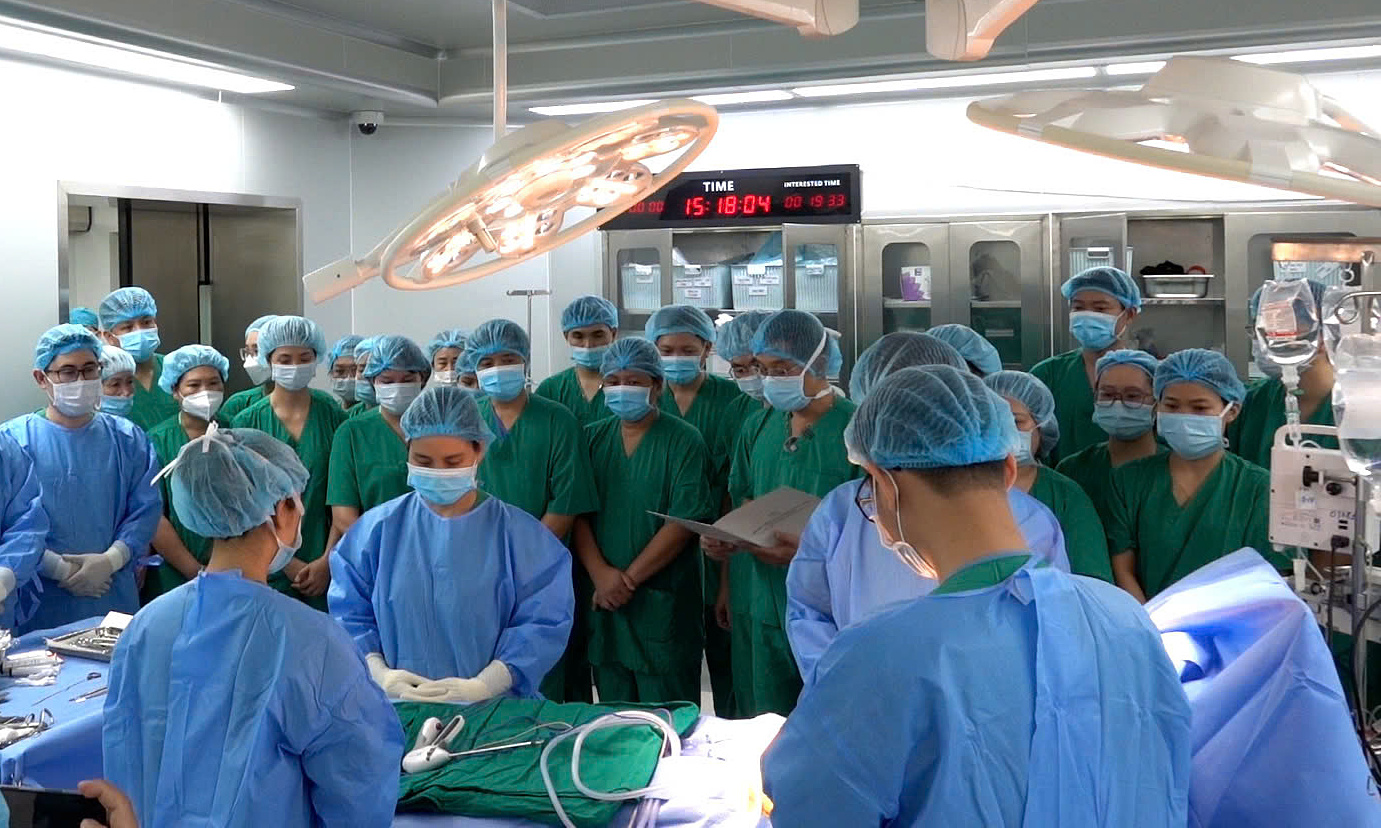 |
Doctors bow in tribute to the female medical staff before organ retrieval and transplantation. Photo: *Trung Hieu* |
In Vietnam, the number of families agreeing to donate tissues and organs from brain-dead relatives has increased significantly in recent years. Before 2023, organ donations from brain-dead individuals accounted for under 5% of total transplants. This figure rose to 12.9% in 2024 and nearly 19% in 2025. This positive shift is attributed to communication and advocacy efforts at medical facilities, fostering greater community awareness and openness towards the decision to donate organs to save lives after death.
Tissue and organ transplantation is the last resort treatment for chronic diseases caused by irreversible functional decline of tissues and organs, such as chronic kidney failure, liver disease, heart disease, bone marrow failure, and corneal damage. Over the past 30 years, more than 10,000 organ transplants have been performed nationwide.
Le Nga