Genitourinary syndrome of menopause (GSM) describes a range of genital, sexual, and urinary symptoms caused by estrogen deficiency in menopausal women. Specifically, it includes genital symptoms such as dryness, burning, and discomfort; sexual manifestations like lack of lubrication, discomfort, pain, and impaired function during intercourse; and urinary symptoms such as urinary incontinence, painful urination, and recurrent urinary tract infections.
During perimenopause and menopause, declining estrogen levels cause the vaginal lining to become dry and thin. The urethral and bladder linings are also affected. Collagen fibers and elastic tissues degrade, reducing moisture and altering pH levels. The pelvic floor muscles weaken, increasing the risk of pelvic organ prolapse. Common manifestations include painful intercourse, vaginal dryness and burning, urgency, and uncontrolled urination.
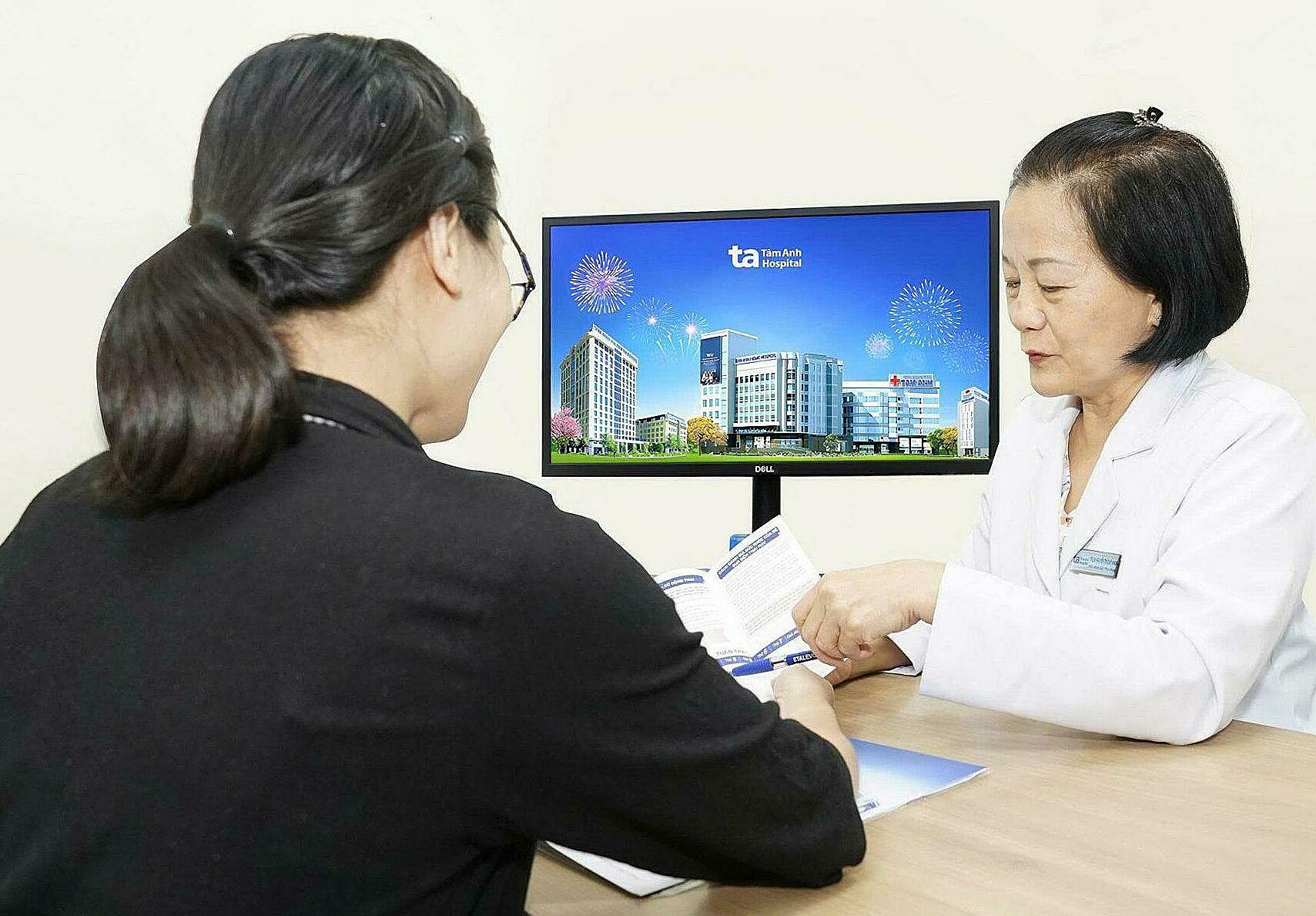 |
Master, Doctor Nguyen Thi Quy Khoa provides gynecological consultation for women in their 40s. Photo: Tue Diem
Genitourinary syndrome can be screened. During an examination, the doctor will inquire about symptoms related to the vagina, as well as other patient manifestations like night sweats, hot flashes, mood swings, or unexplained anxiety. The doctor may also check cardiovascular health if the patient reports palpitations, and conduct screenings for osteoporosis and endocrine disorders. This comprehensive approach helps determine the stage and impact of hormonal changes and detect potential underlying issues early.
The appropriate time for screening is from age 40, when hormone levels begin to gradually decline, and reproductive system tissues show signs of changes in thickness and elasticity. Even if symptoms are not yet obvious, early examination helps doctors observe these changes and provide appropriate advice, alleviating psychological stress. Many cases show normal results, with no inflammation or pathology, but rather hormonal changes. Doctors guide women on using medications, lubricants, estrogen supplements, and lifestyle adjustments to improve their condition.
Master, Doctor Nguyen Thi Quy Khoa
Vice Head of Obstetrics Department, Obstetrics and Gynecology Center
Tam Anh General Hospital, TP HCM
| Readers can submit questions about obstetrics and gynecology here for doctors to answer |